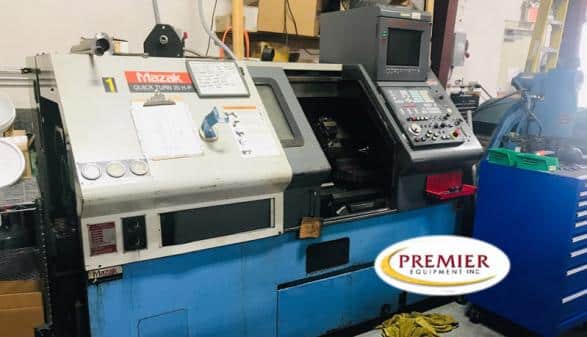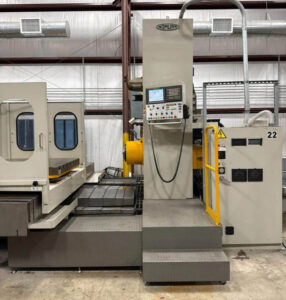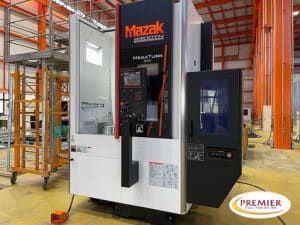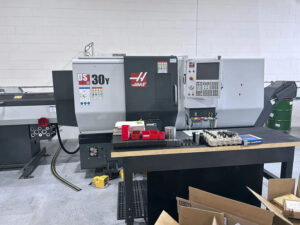

Shipping a CNC machine is not like shipping a pallet of parts. The machine is heavy, sensitive, and expensive. A bad move can damage the control, twist the machine, delay production, or turn a good purchase into a problem before it ever makes a chip.
Start with the basics: the exact machine, the weight, the loaded dimensions, the pickup location, the delivery location, and who is handling rigging on both ends. Do that before you book a truck.
Premier Equipment helps buyers and sellers move used CNC machines every week. The team works from 990 Sunshine Lane in Altamonte Springs, Florida, and can help you think through pickup, loading, freight, and delivery details before the machine moves.
If you are looking at a machine now, call Premier at (407) 786-2000, email quotes@premierequipment.com, or use the machine page to request details before you schedule freight.
TL;DR: what do you need before shipping a CNC machine?
- Get the exact weight and loaded dimensions before you ask for a freight quote.
- Confirm whether the machine needs a flatbed, step-deck, lowboy, RGN, or specialized heavy-haul truck.
- Use an industrial rigger for loading and unloading. The trucker hauls the machine. The rigger moves it safely onto and off the truck.
- Plan the receiving side before pickup. Door clearance, floor path, rigger access, power, air, and final placement matter.
- Put the shipping responsibility, rigging responsibility, insurance, timing, and included items in writing before the machine leaves.
CNC machine shipping reference table
Use this table before anyone books a truck. It keeps the shipping conversation simple: what to confirm, why it matters, and which reference helps back it up.
What to check | Plain-English answer | Why it matters | Reference |
Machine weight and loaded dimensions | Get the real shipping weight, length, width, height, and any items that ship loose. Do not rely on the model name alone. | The carrier and rigger need this to quote the right truck, lifting plan, permits, and securement. | Machine spec sheet, seller photos, carrier quote, and rigger review |
Center of gravity and lift points | Ask where the machine can be lifted, picked, blocked, or skated. If nobody knows, stop and get a rigger involved. | Bad lifting can twist the machine, damage precision surfaces, or put people in danger. | |
Truck type | Confirm whether the machine needs a flatbed, step-deck, lowboy, RGN, enclosed truck, or heavy-haul setup. | The wrong truck can create clearance problems, permit issues, weather exposure, or a failed pickup. | Carrier and rigger recommendation |
Load securement | Ask how the machine will be blocked, chained, strapped, tarped, and protected before it leaves. | FMCSA guidance says cargo must be secured so it does not shift or fall from the vehicle. For CNC equipment, that is a serious part of protecting the machine. | |
Machine guarding and sensitive areas | Protect the control, screen, pendant, electrical cabinet, way covers, probes, doors, glass, and exposed precision surfaces. | CNC machines are not just heavy. They are sensitive. A rough move can damage parts that are expensive to fix. | |
Loose parts and accessories | Write down every loose item: manuals, tooling, chucks, collets, probes, fixtures, chip conveyor parts, guards, and spare components. | Loose items are easy to misplace if nobody lists them before pickup. | Packing list and pickup photos |
Delivery-side access | Confirm door height, door width, floor path, ceiling height, turning room, dock access, crane or forklift access, and final machine location. | Many moves fail at delivery because the receiving shop is not ready for the truck or rigger. | Receiving rigger and facility manager |
International paperwork | For exports, ask the forwarder about the commercial invoice, packing list, bill of lading, customs documents, insurance, and destination-side unloading. | International shipments need more lead time. Paperwork problems can hold a machine at the port or delay customs clearance. |
Step 1: confirm what is being shipped
Do not quote freight from a model name alone. Confirm the make, model, year, serial number when available, control, options, machine weight, footprint, shipping dimensions, and any loose items going with the machine.
Options change the shipping plan. A bar feeder on a used Swiss lathes, a chip conveyor on a used CNC lathes, a rotary table on a used CNC vertical mills, or a pallet system on a used CNC horizontal mills can change the weight, length, width, or loading plan.
Ask for photos of the machine, the control, the back side, the electrical cabinet, the chip conveyor, the coolant tank, the loading area, and any loose accessories. Photos catch problems before a truck is already waiting.
If you are still comparing machines, start with Premier Equipment‘s used CNC machine inventory and ask for the shipping details early. Freight should not be an afterthought.
Step 2: get the pickup plan in writing
Before pickup, confirm the pickup address, loading hours, contact person, truck arrival window, machine release status, payment status, and whether the machine is disconnected and ready to load.
Ask who is loading the machine. If the machine is at Premier Equipment, call before scheduling the truck so the team can confirm timing, equipment, and loading details. Premier’s facility includes 20-foot extra-wide bay doors, a 15-ton overhead crane, and 42,000-pound forklift capability, but the pickup still needs to be scheduled correctly.
If the machine is coming out of another shop, confirm whether a rigger is already hired, whether the machine is under power, whether it needs to be disconnected, and whether the building has enough room for the rigger and truck.
Review Premier Equipment‘s terms and conditions before purchase so shipping, rigging, responsibility, timing, and final machine details are clear.
Step 3: choose the right truck
The right truck depends on height, width, weight, route, permits, loading method, and delivery access. The cheapest truck is not always the right truck.
A smaller machine may move on a flatbed. A taller vertical machining center may need a step-deck. A heavy or oversized machine may need a lowboy, RGN, or heavy-haul setup. The carrier should know the load before giving a real quote.
Ask the carrier what insurance applies, how the machine will be blocked and secured, whether tarping is included, whether permits are needed, and whether the driver has moved CNC equipment before.
The FMCSA cargo securement rules explain that cargo must be secured so it does not shift or fall from the vehicle. For a CNC machine, securement is not a small detail. It is part of protecting the machine and everyone around it.
Step 4: separate rigging from freight
Rigging and freight are not the same job. The rigger lifts, skates, blocks, positions, loads, and unloads the machine. The freight carrier hauls it.
Use an experienced industrial rigger. CNC machines have controls, cabinets, way covers, probes, glass scales, turrets, spindles, pallet systems, and other parts that do not like rough handling.
OSHA’s OSHA rigging equipment standard says rigging equipment must be inspected before use and defective equipment must be removed from service. OSHA’s OSHA hoisting and rigging standard also gives operators authority to stop a lift when safety is uncertain. That is the right mindset for CNC work.
If the lift does not look right, stop. Fix the plan before the machine is in the air.
Step 5: protect the machine for the road
Before the machine leaves, secure loose items. Remove or protect anything that can move, swing, leak, vibrate, or break during transport.
Protect the control, screen, electrical cabinet, pendant, probes, way surfaces, glass, doors, tool changer, turret, bar feeder, chip conveyor, and exposed precision surfaces. Use common sense and ask the rigger or carrier how the machine will be protected from weather and road vibration.
If the machine ships with tooling, manuals, chucks, collets, jaws, probes, fixtures, or extra parts, list those items before pickup. Loose items should not disappear because nobody wrote them down.
Take photos before loading, after loading, and when the machine arrives. Photos help if there is a question later.
Step 6: prepare the receiving side
Many shipping problems happen at delivery, not pickup. The truck arrives and the shop is not ready.
Before the truck leaves the pickup location, confirm the delivery address, receiving contact, truck access, dock access, door height, door width, floor path, ceiling height, turning room, forklift or crane access, and final machine location.
Schedule the receiving rigger before the machine ships. Do not assume the driver can unload it. Most CNC deliveries need equipment and people ready when the truck arrives.
Check power, air, coolant, chip handling, transformer needs, leveling pads, anchoring, technician schedule, and where the machine will sit if installation cannot happen the same day.
Step 7: plan international shipments early
International CNC shipping needs more paperwork and more lead time. Do not wait until the machine is loaded to ask about documents.
Talk with the freight forwarder about commercial invoices, packing lists, export documents, container loading, fumigated wood requirements, insurance, customs clearance, port timing, and destination-side unloading.
Trade.gov export document guidance is a useful starting point for understanding common export paperwork, but the forwarder and buyer should confirm the actual requirements for the destination country.
If the machine is going overseas, tell Premier early. The loading plan, packaging, paperwork, and timing may be different than a domestic shipment.
CNC machine shipping checklist
Before quoting freight: machine make, model, serial number if available, weight, dimensions, pickup address, delivery address, photos, loose items, and timing.
Before pickup: payment status, machine release, rigger schedule, truck type, carrier contact, loading hours, required paperwork, insurance, and who signs off on the load.
Before delivery: receiving rigger, truck access, door clearance, floor path, final machine location, power, air, coolant, technician schedule, and someone on-site who can make decisions.
If you need help with a machine from Premier’s used CNC machine inventory, call (407) 786-2000, email quotes@premierequipment.com, or request a quote before booking freight.
CNC machine shipping FAQs
How much does it cost to ship a CNC machine?
The cost depends on machine weight, loaded dimensions, pickup location, delivery location, truck type, rigging needs, permits, insurance, timing, and whether the machine needs special handling. Get the exact details before you trust a freight quote.
Who arranges shipping for a used CNC machine?
That depends on the written purchase terms. In many used equipment transactions, the buyer is responsible for freight, rigging, offloading, installation, and local compliance unless the final terms say otherwise.
Can Premier Equipment help with CNC machine shipping?
Premier can help buyers and sellers think through shipping details and coordinate the next step. Call (407) 786-2000 before scheduling freight so the team can review the machine, timing, and loading details.
What type of truck do you need for a CNC machine?
It depends on the machine height, width, weight, loading method, route, and delivery access. Some machines move on a flatbed. Others need a step-deck, lowboy, RGN, or specialized heavy-haul truck.
Do I need a rigger to move a CNC machine?
For most commercial CNC machines, yes. A professional industrial rigger should handle loading and unloading. CNC machines are heavy and sensitive, and poor lifting can cause serious damage.
What should I send before scheduling CNC delivery?
Send the machine make, model, serial number if available, weight, dimensions, pickup address, delivery address, photos, loose components, loading access, receiving access, and preferred timing.
Should a CNC machine ship assembled or disassembled?
Most CNC machines should ship assembled when practical. Disassembly adds risk and should be handled only when needed for safe transport, building access, or truck limits.
What should my shop do before the machine arrives?
Clear the path, confirm door and ceiling clearance, schedule the receiving rigger, check the floor and final location, verify power and air, plan coolant and chip handling, and make sure someone with authority is on-site.