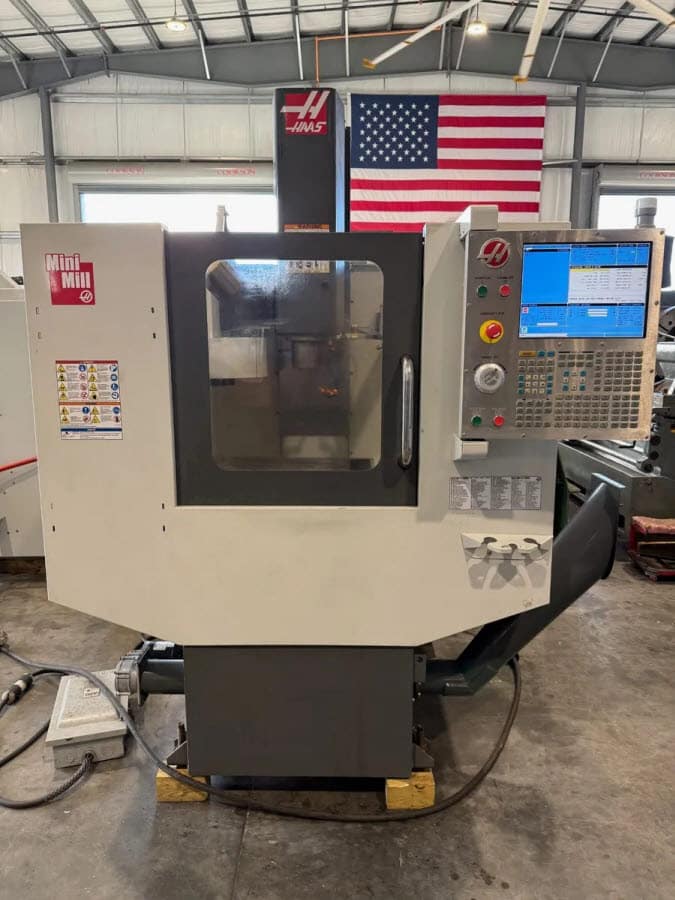
How to choose a used CNC vertical mill
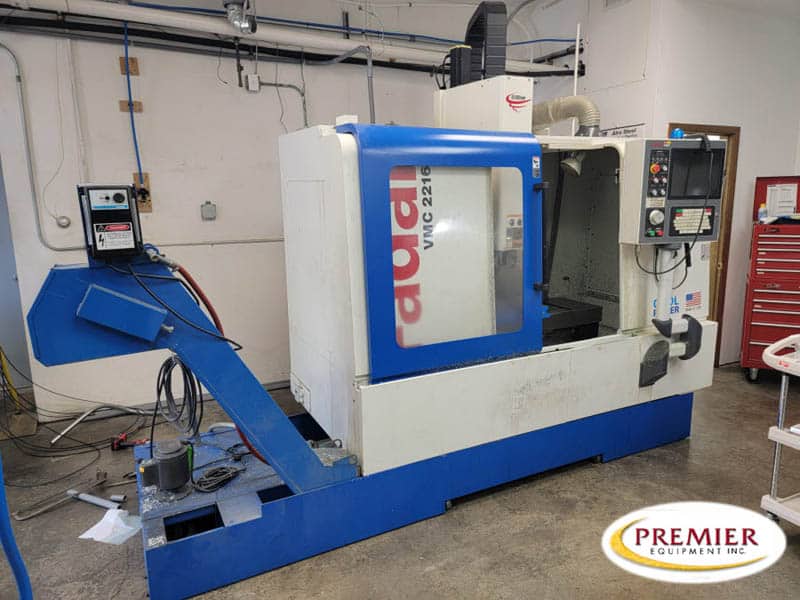
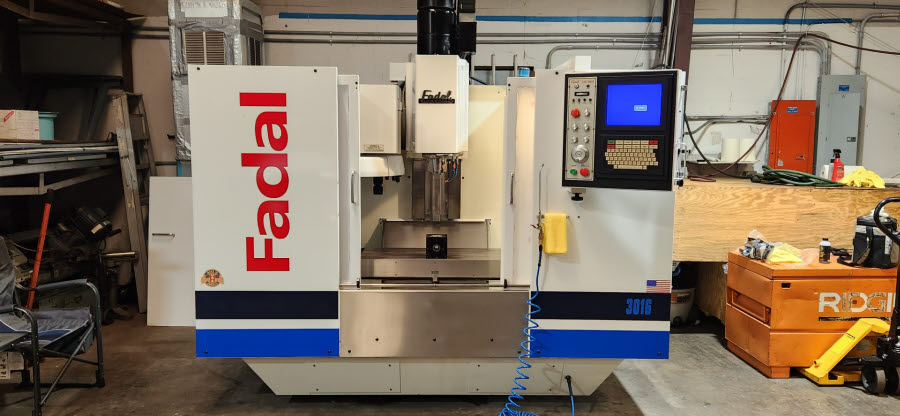
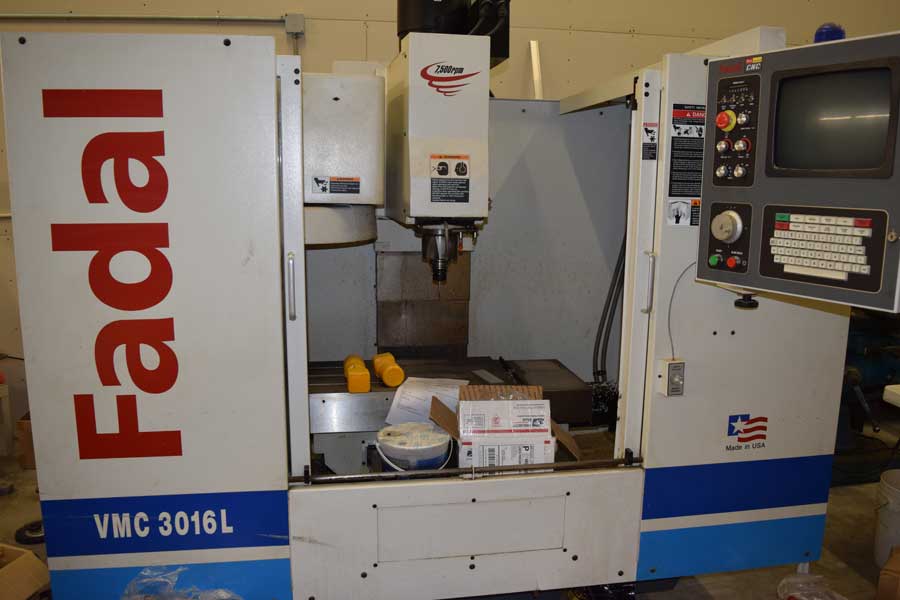
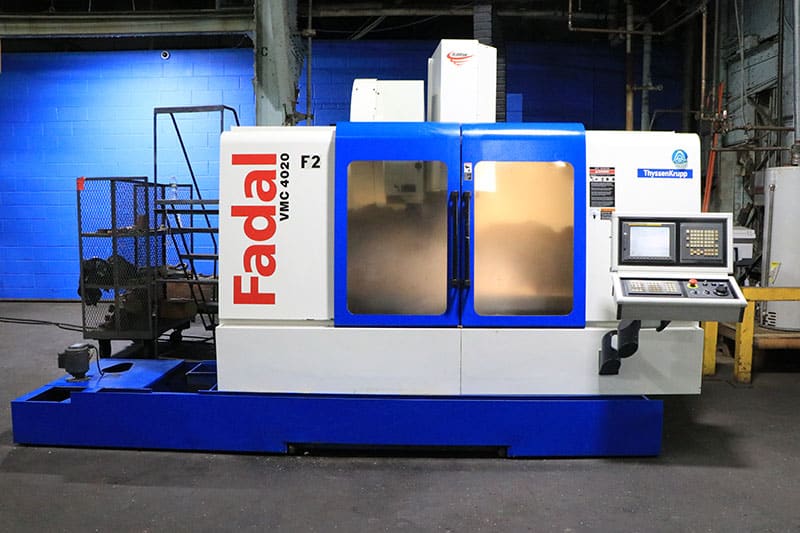
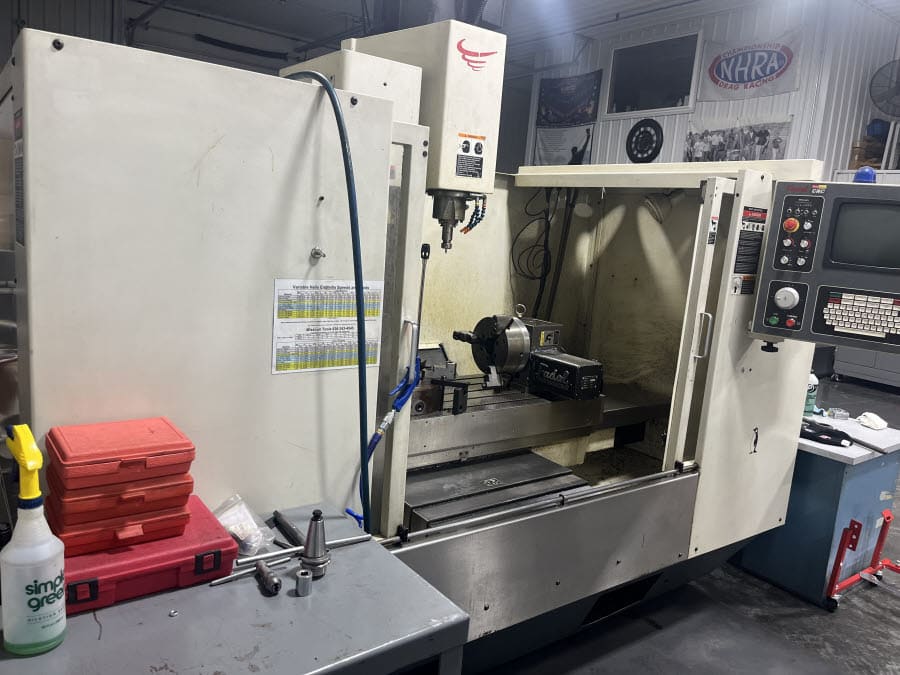
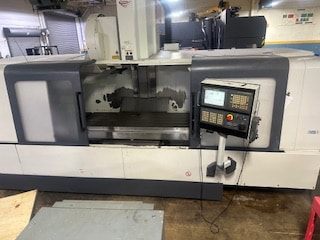
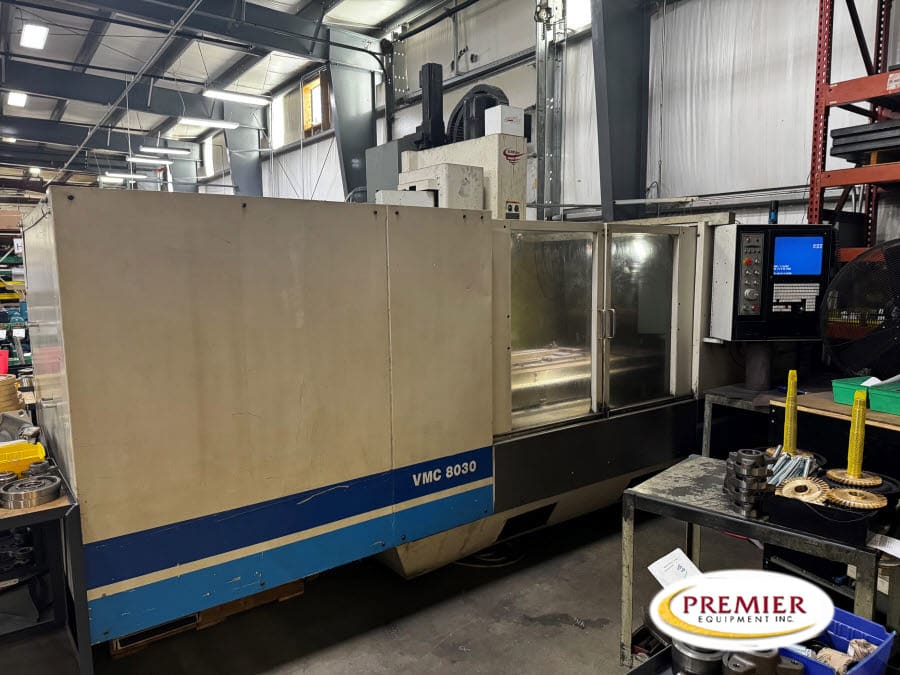
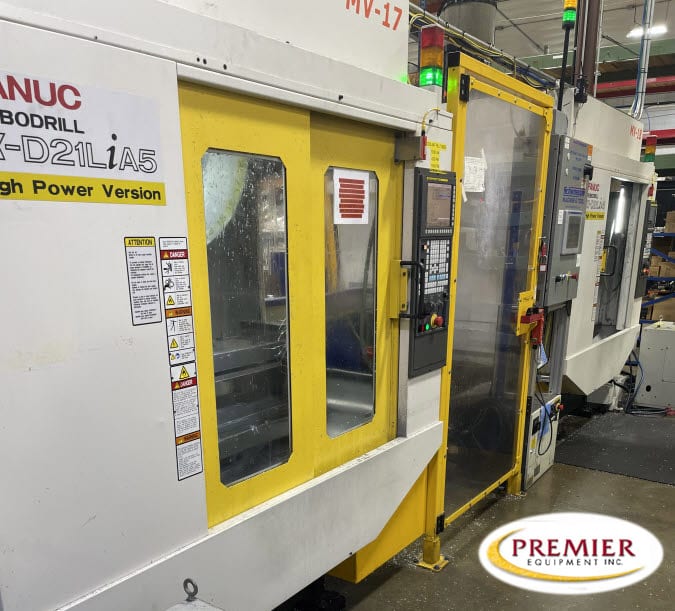
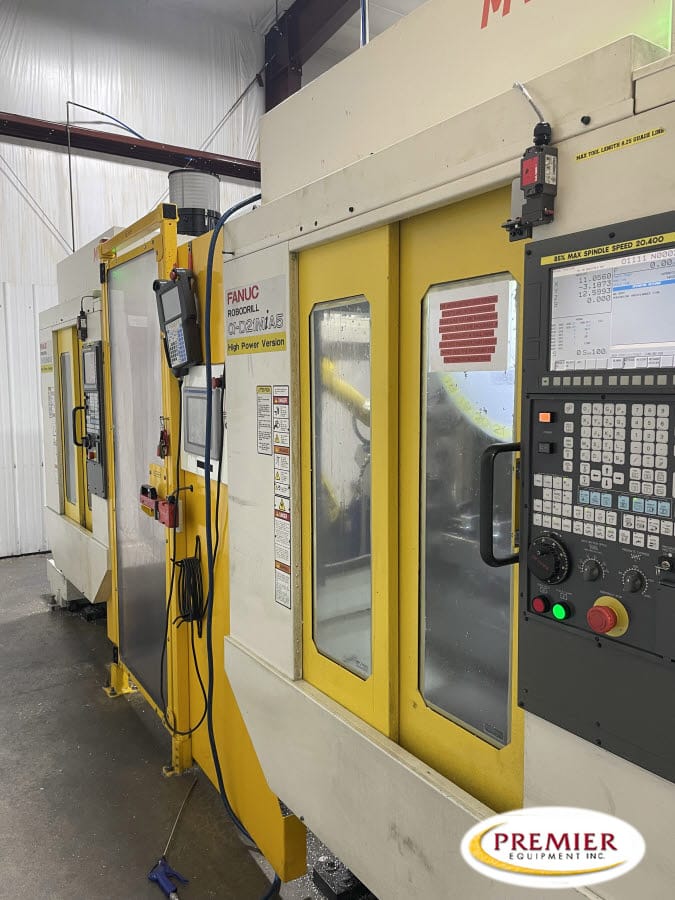
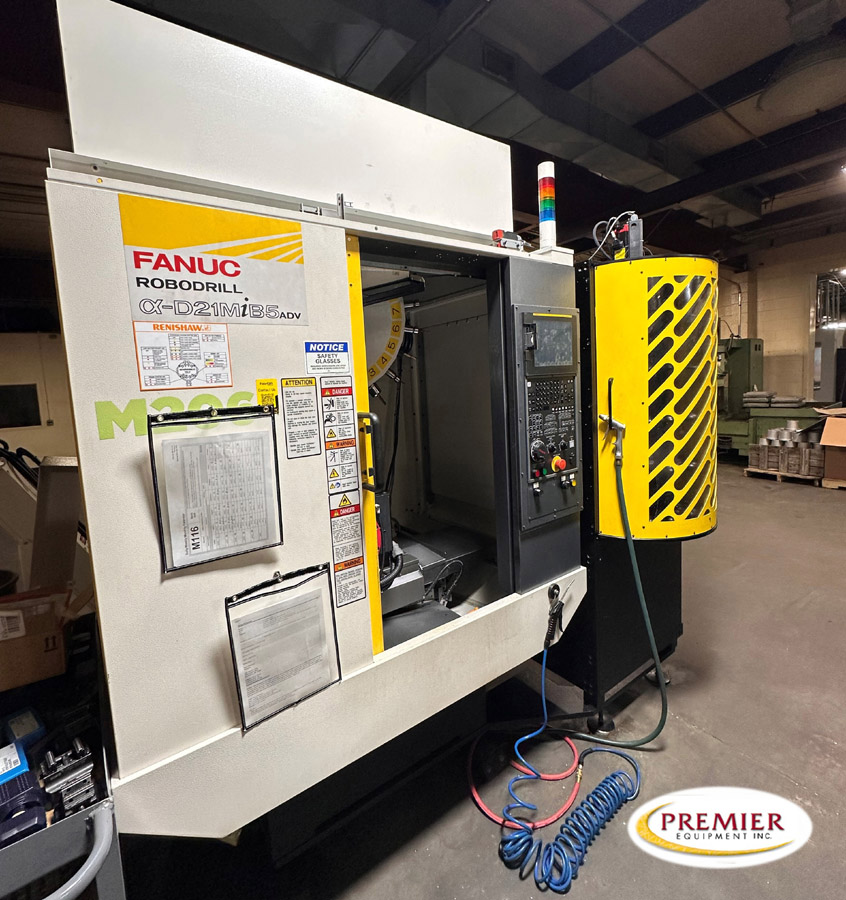
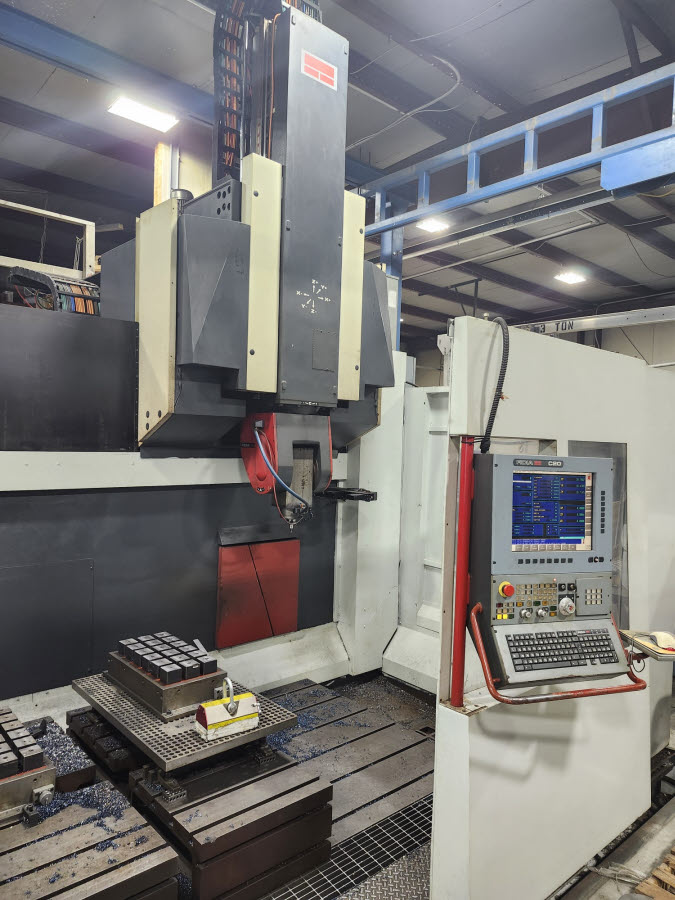
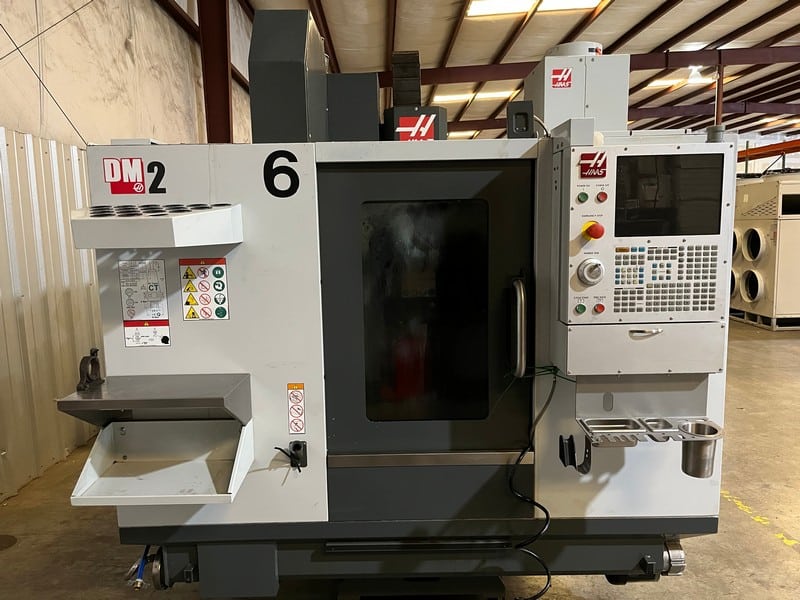
A used CNC vertical mill should fit the work envelope, material, tolerance needs, and operator skill level in your shop. The first specs to compare are X, Y, and Z travels, table capacity, spindle taper, spindle speed, horsepower, tool changer capacity, coolant system, and control type. Those basics usually narrow the list fast.
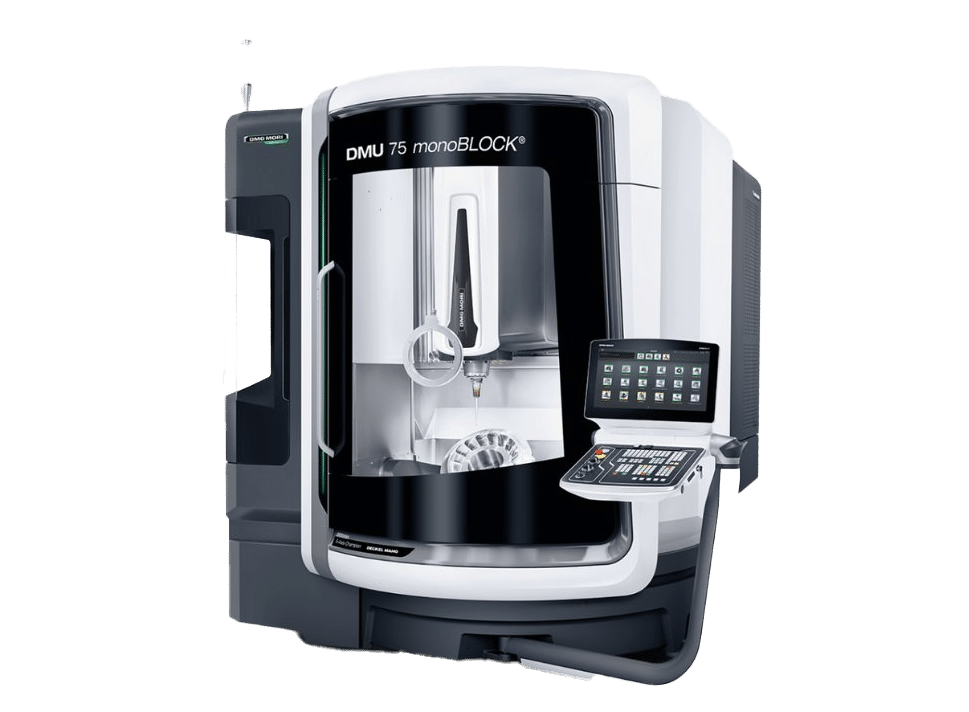
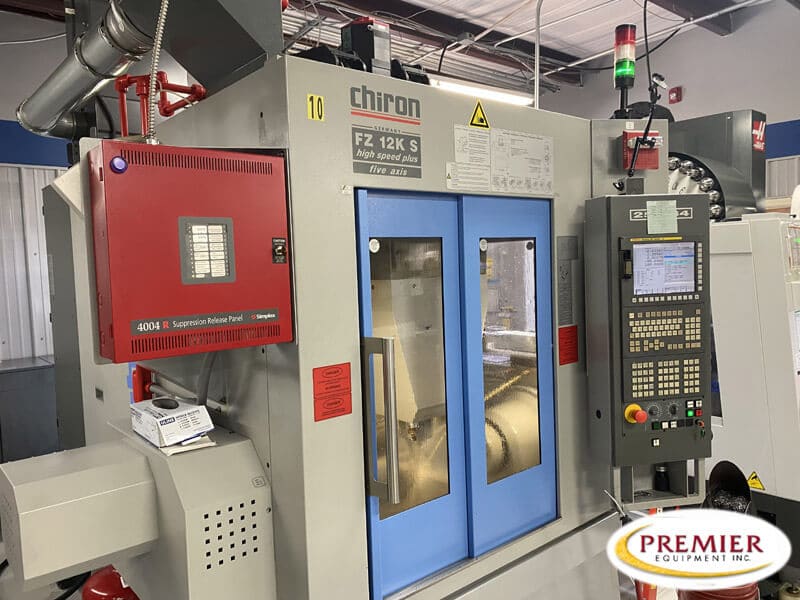
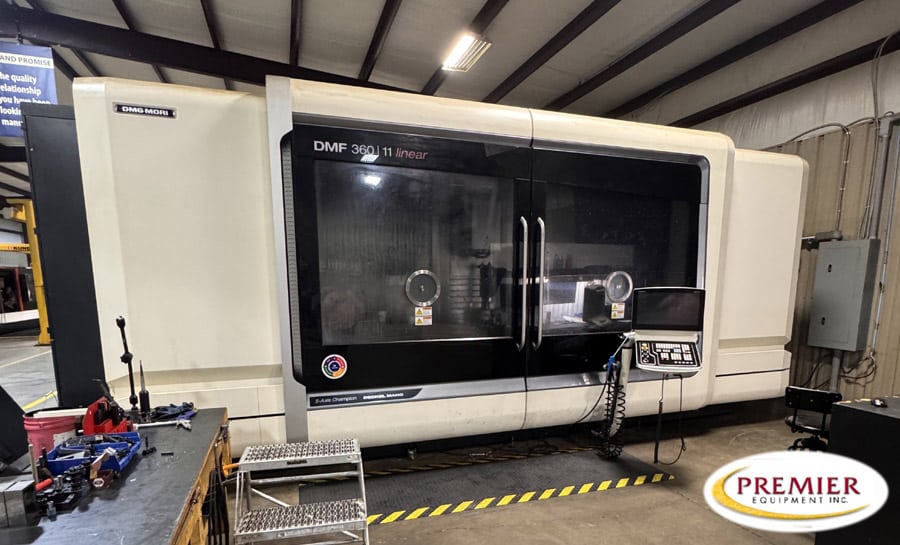
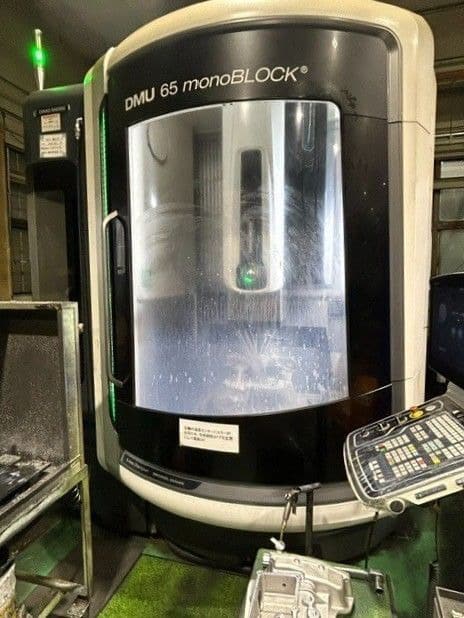
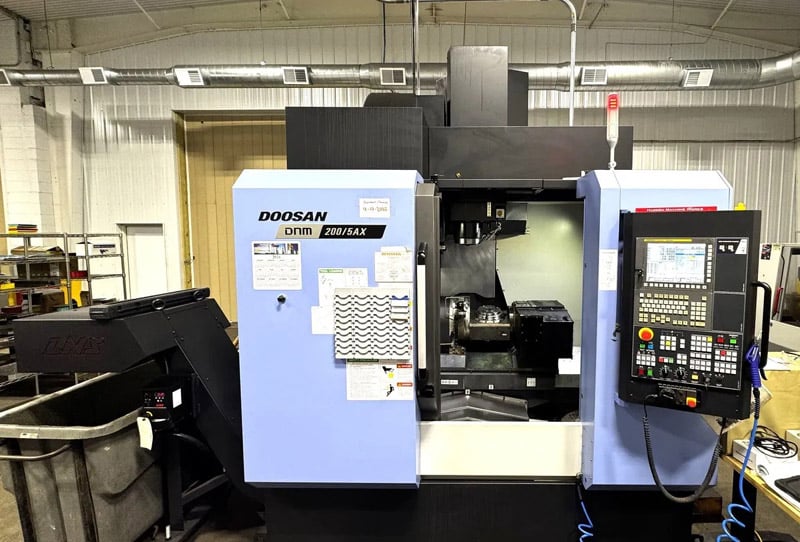
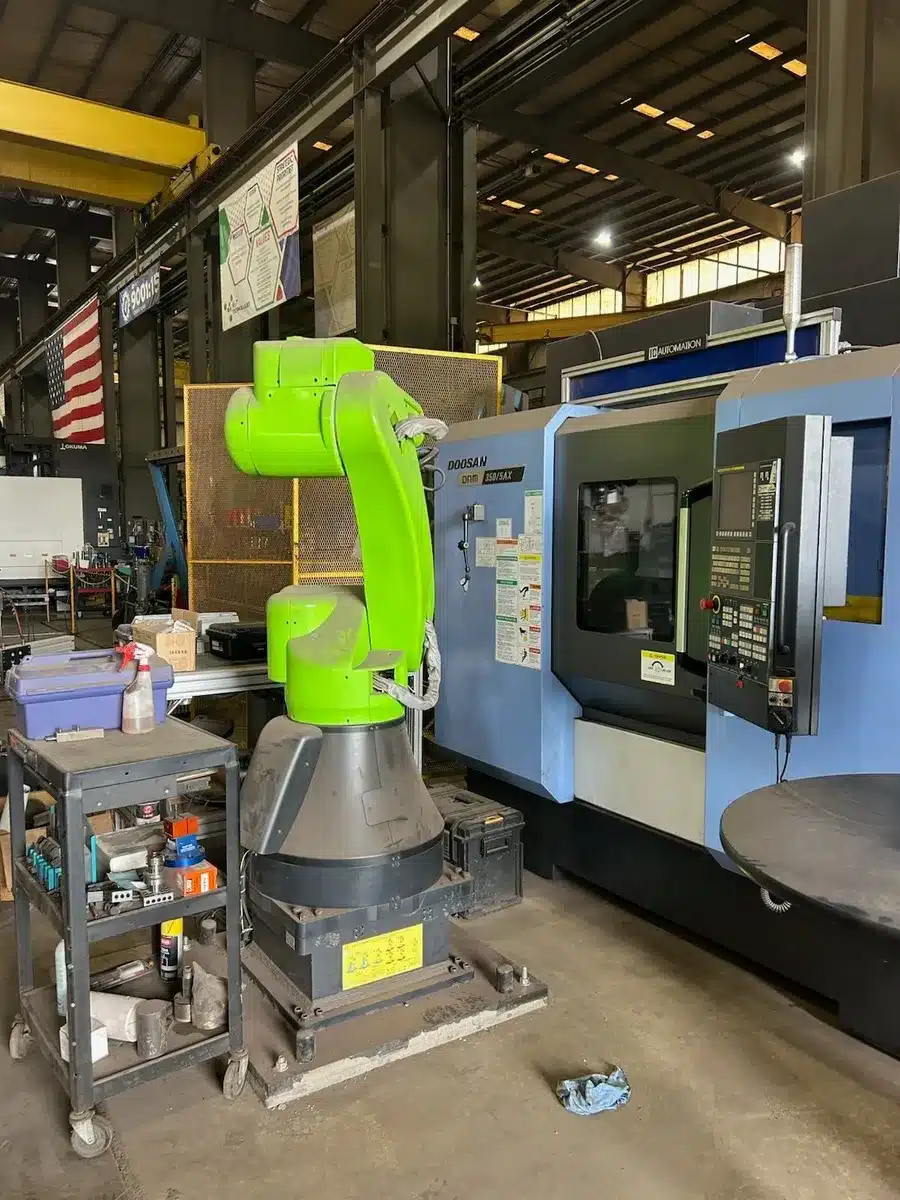
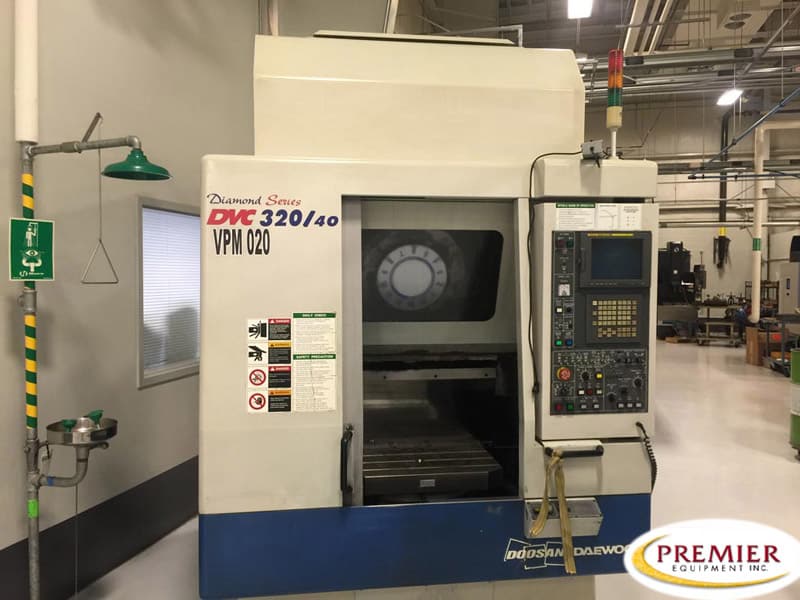
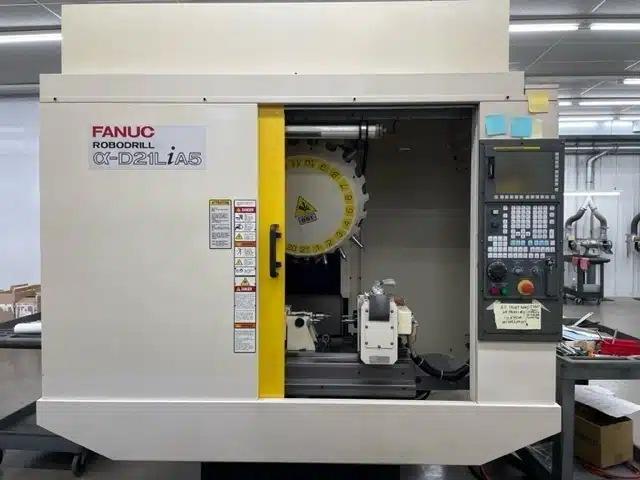
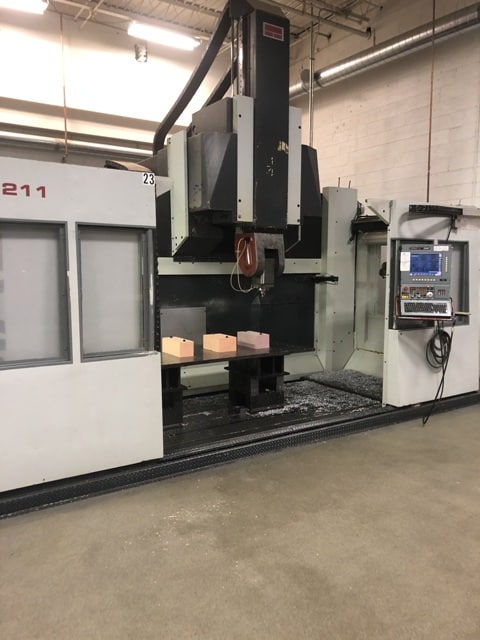
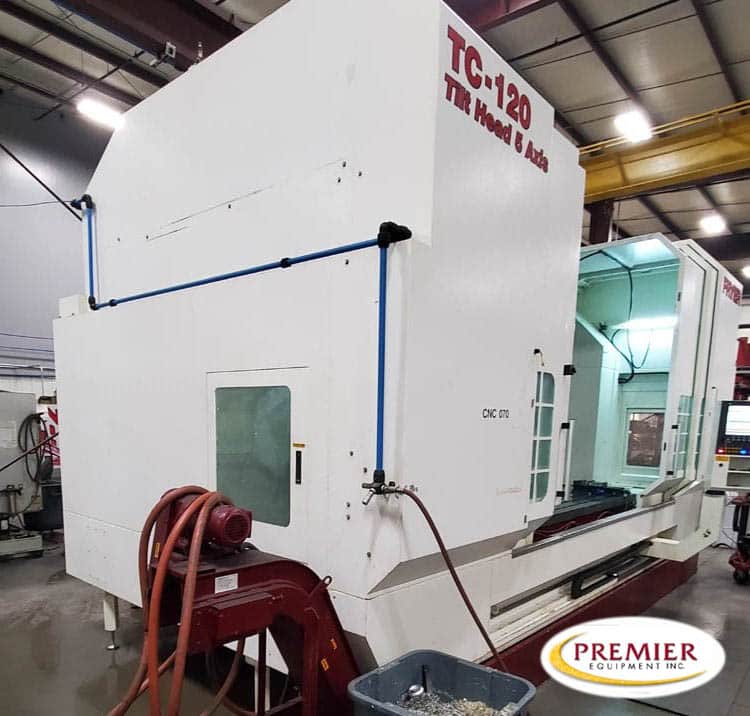
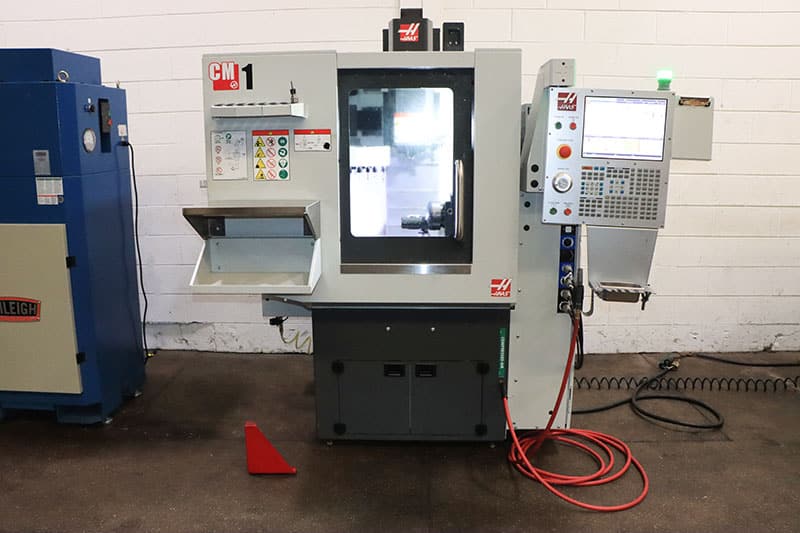
For general shop work, a standard vertical machining center may be the best fit. For small parts and fast cycle times, a drill tap center or compact VMC can make sense. For molds, aerospace work, medical parts, or complex setups, a
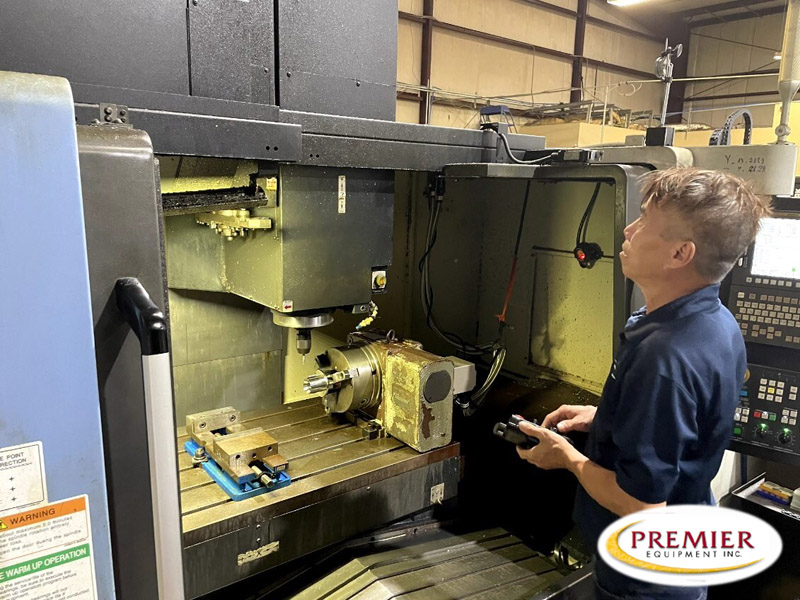
5-axis vertical or a VMC with a rotary table may reduce handling and improve part access.
Control familiarity matters more than people admit. If your team already knows
Haas, Fanuc,
Mazatrol, Siemens, or Okuma control environments, that can affect training time, programming flow, and how quickly the machine starts making parts. The right used CNC vertical is not always the newest one. It is the one your team can put to work.
Specs and options that matter on a VMC
Vertical machining center buyers should look beyond the year and price. Travels, spindle taper, spindle speed, tool capacity, coolant through spindle, chip management, probing, 4th-axis readiness, table load, and machine footprint can all affect whether the machine fits the job. A clean-looking machine can still be the wrong choice if it does not have the travel, rigidity, or options your parts require.
For heavier work, look closely at horsepower, taper, table load, box way or linear guide design, and coolant setup. For aluminum, small parts, and high-speed work, spindle speed, acceleration, tool change speed, and control performance may matter more. If your shop is buying for both training and production, a familiar VMC platform can be easier to bring online than a machine with more capability than the team is ready to use.
When a vertical mill is the right machine
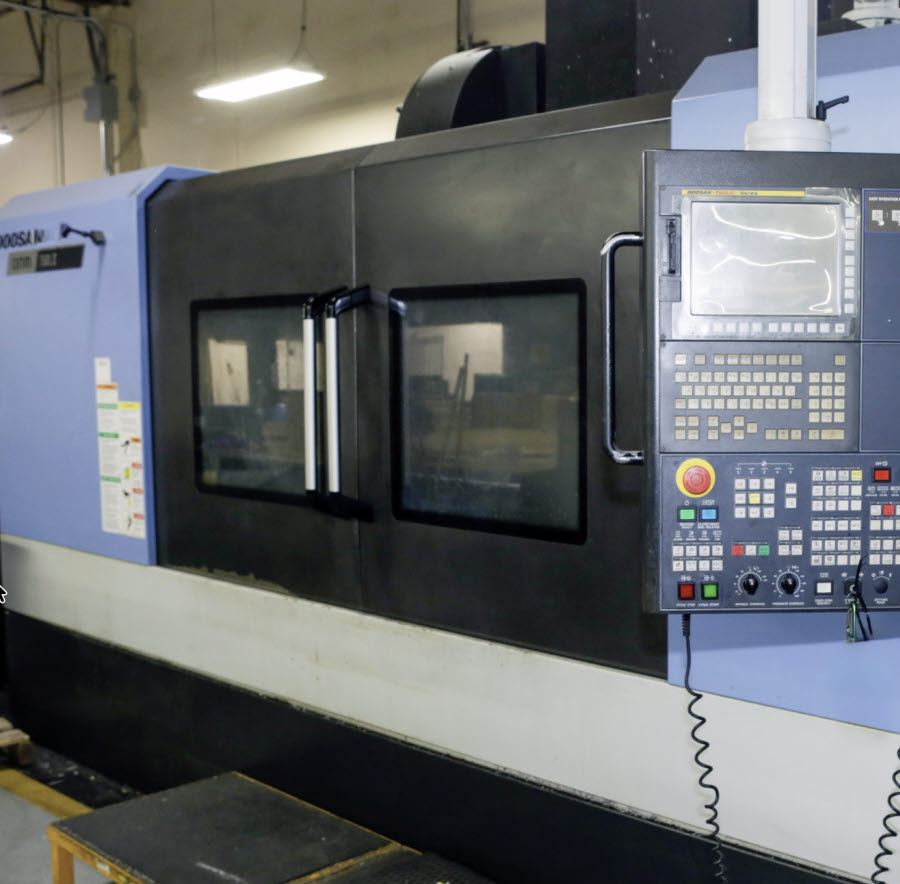
A vertical machining center is usually the most flexible CNC milling choice for a shop that runs a mix of parts. VMCs are common for plates, brackets, housings, fixtures, mold components, secondary operations, and short to medium production runs. They are also easier for many operators to set up because the work area is open and visible.
A
horizontal machining center may be better when your shop needs palletized production, strong chip evacuation, and repeatable multi-side machining. A
CNC lathe is the better fit when the work is mostly round. If you are deciding between categories,
Premier Equipment can help compare the machine type against your work instead of forcing the job to fit the wrong machine.
Some of the VMC We Sell
| Brand |
Models |
Key Features |
| Mazak |
VCN-530C, Variaxis i-700, VTC-800/30SR, VC-Ez 20, HCN-5000 |
Advanced multi-tasking capabilities, high-speed spindles, user-friendly MAZATROL controls, and excellent thermal stability. |
| Haas |
VF-2, VF-4SS, VF-6/40, Mini Mill, UMC-750 |
Wide range of models for various sizes, easy-to-use controls, high reliability, and strong customer support. |
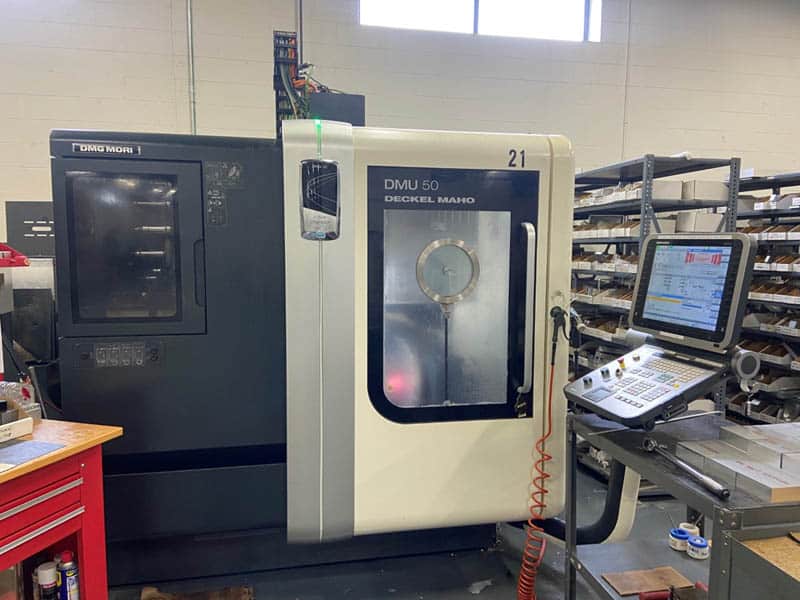
| DMG Mori |
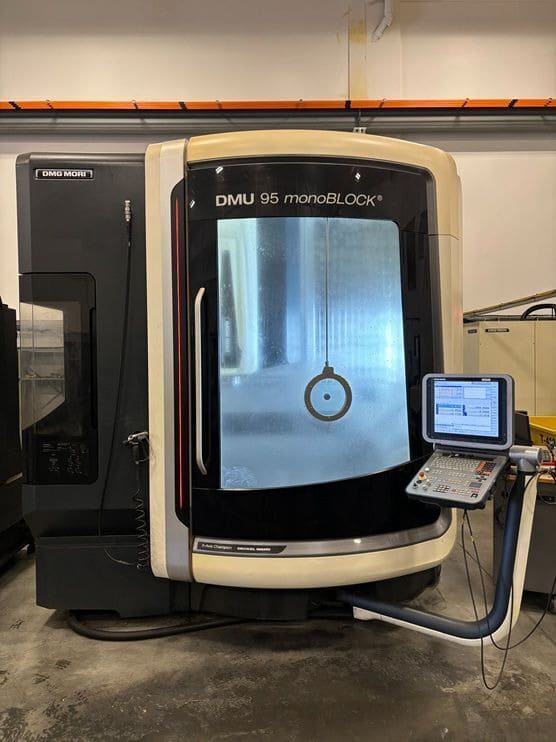
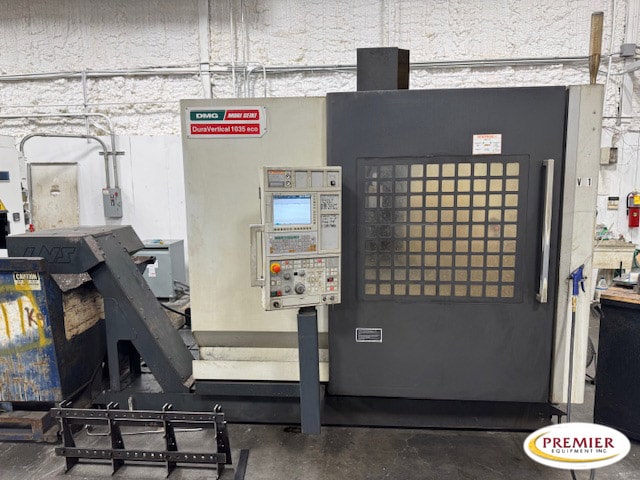
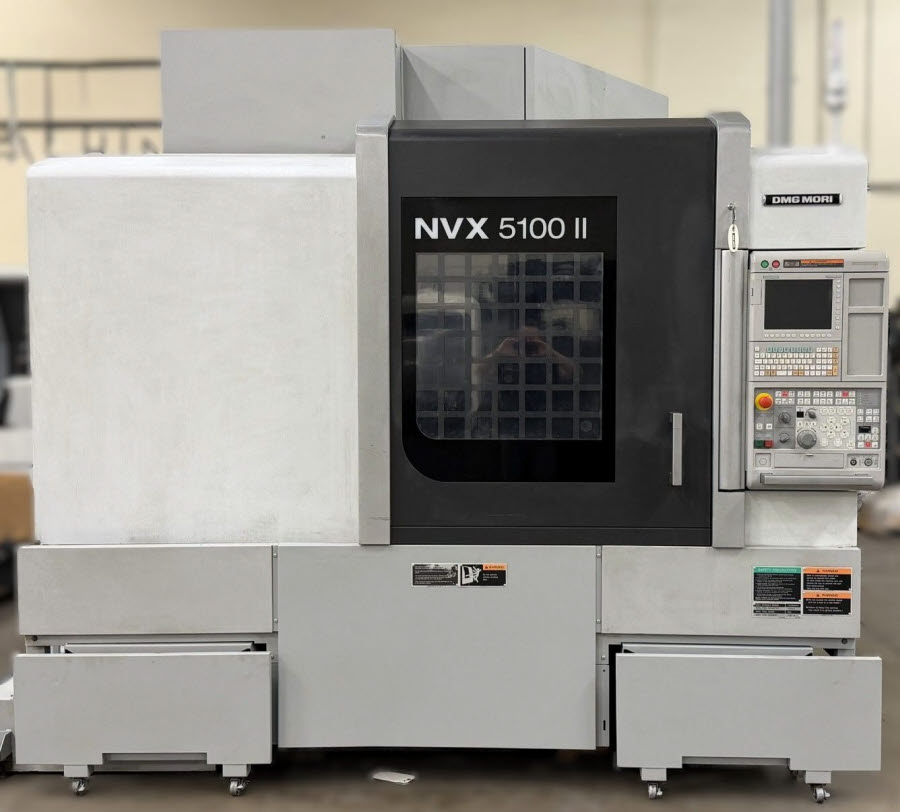
CMX V Series, DMC 650V, DMU 50, NVX 5080, DMC 1035V |
German engineering with Japanese precision, compact designs, and advanced automation capabilities. |
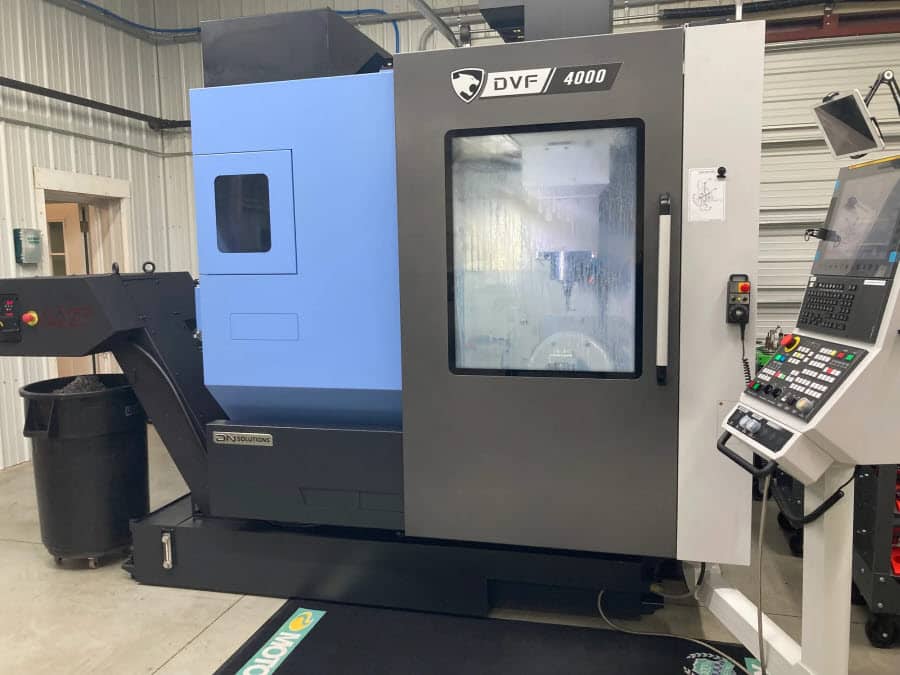
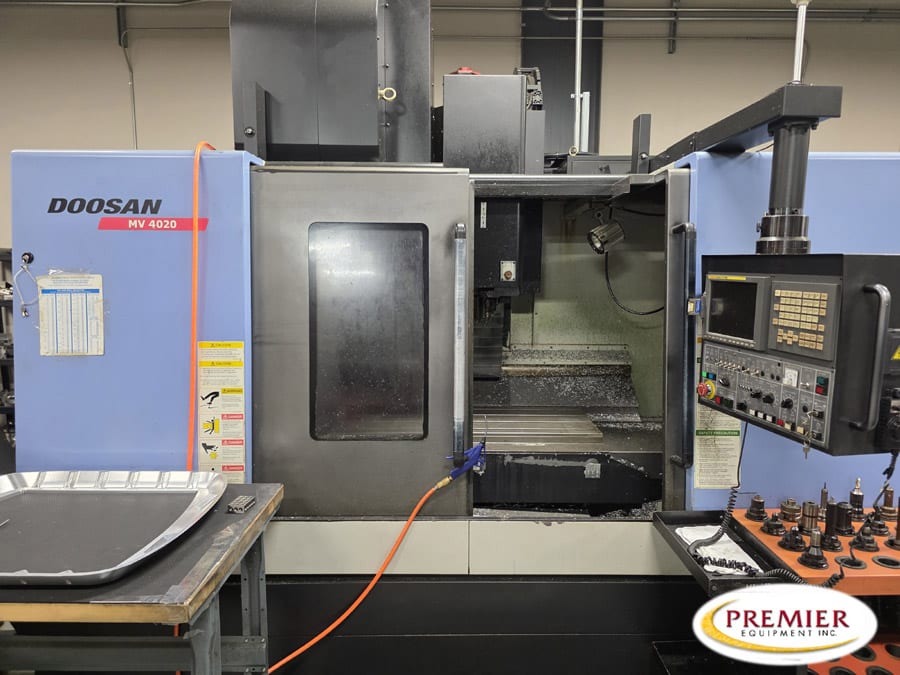
| DN Solutions (formerly Doosan) |
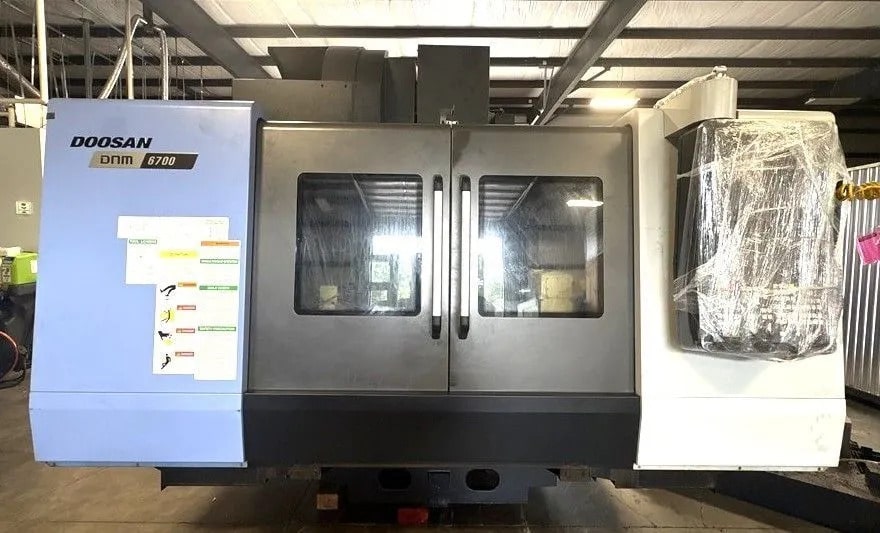
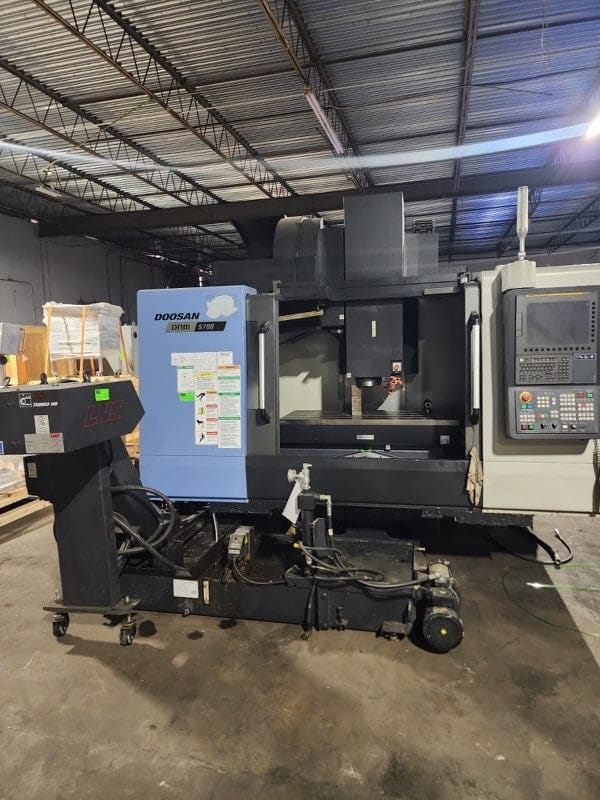
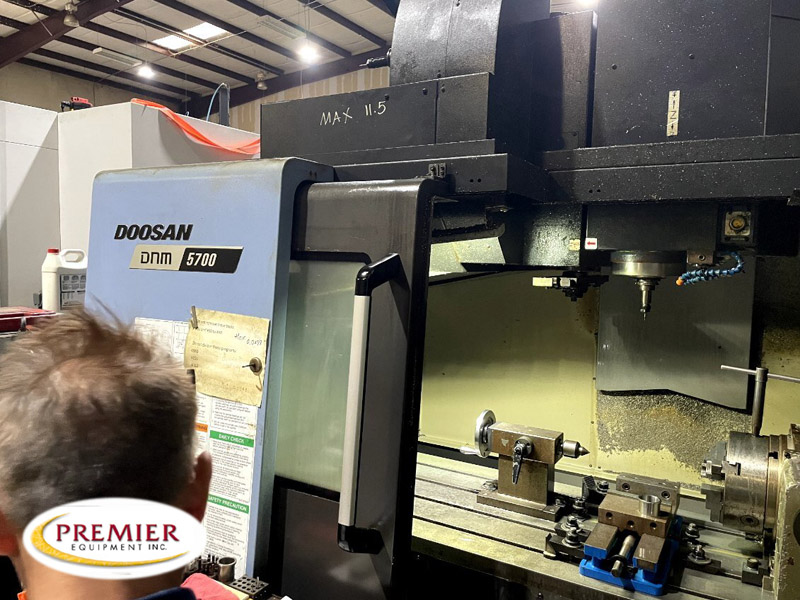
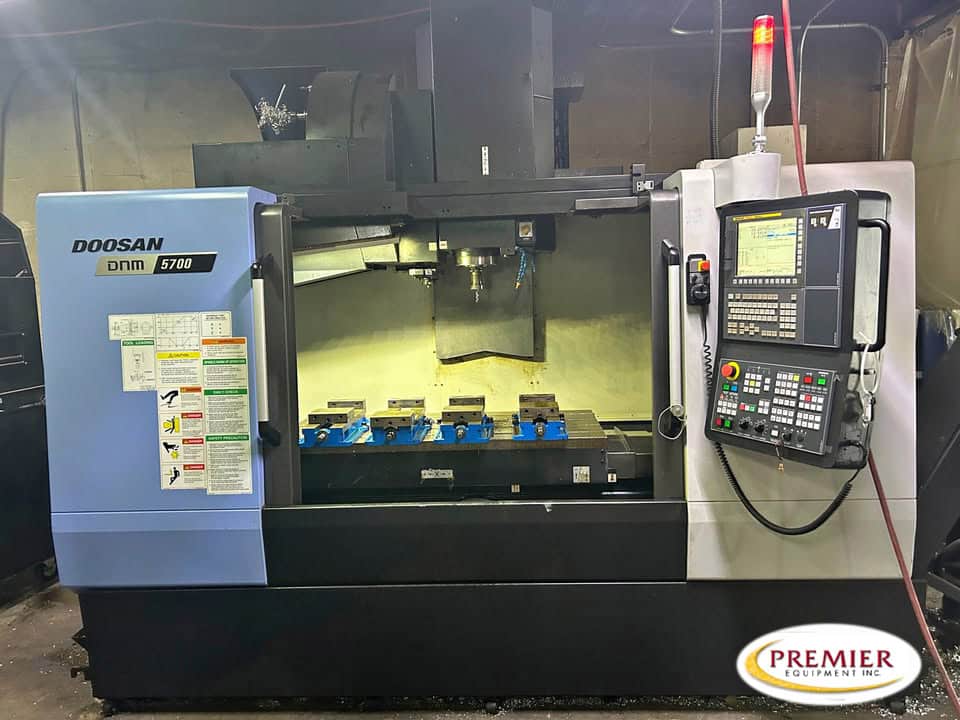
DNM 4500, DNM 5700, DNM 6700, DVF 5000, Mynx 7500 |
High productivity, dual spindles for efficiency, strong durability, and ideal for high-mix, low-volume production. |
| Makino |
PS105, V33i, F5, a61nx, V56i |
Precision machining for aerospace and die/mold industries, high-speed spindles, and exceptional thermal stability. |
| Kitamura |
Mycenter-3XiF, Mycenter-4XiD, Mycenter-HX250iG, Mycenter-3020G, Mycenter-HX500G |
Ultra-high precision machining, long-term reliability, patented twin ballscrew technology, and superior accuracy. |
FAQ
What should I look for in a used CNC vertical mill?
Look at X, Y, and Z travels, table size, spindle taper, spindle speed, horsepower, control type, tool changer capacity, coolant options, chip management, probing, and 4th-axis readiness. The machine should fit your parts, tooling, operators, and available floor space.
What is the difference between a CNC vertical mill and a VMC?
A VMC, or vertical machining center, is a CNC vertical mill with an enclosed machining area, automatic tool changer, and production-oriented control. Many buyers use the terms together, but VMC usually points to a machining center built for repeatable CNC milling work.
Is a 5-axis vertical mill better than a standard VMC?
A 5-axis vertical mill is better when parts need complex angles, fewer setups, or better access to multiple sides of the part. A standard VMC may be the better choice for simpler work, training, general milling, and jobs where 5-axis capability would sit unused.
Should I buy a used vertical mill or a used horizontal machining center?
Choose a used vertical mill for flexible milling, easier setup access, and a broad mix of work. Choose a horizontal machining center when production volume, pallet systems, chip evacuation, and multi-side repeatability matter more than open access to the work area.