



Start with the operations after turning
The basic turning work may be easy to place. The harder decision is what happens after the part comes out of the chuck. Cross holes, flats and back-end features can add handling and tie up another machine. An NLX with the right equipment may bring some of that work into the turning cycle.
There is a cost to putting more operations on one machine. A long milling operation can occupy the lathe while the next blank waits. Compare the full process, including how your existing machines share work, rather than assuming fewer setups always means more finished parts per shift.
For a shop running mostly straightforward turned parts, a simpler NLX configuration may be enough. Buy the capability your jobs use, with room for credible upcoming work, rather than paying for every available option.
Choose the configuration before the model size
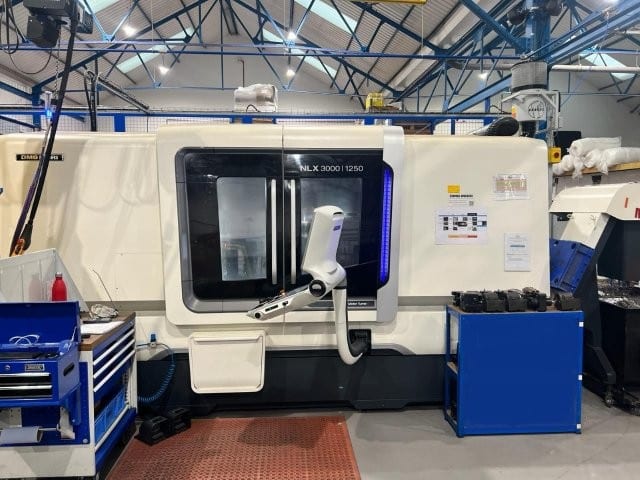
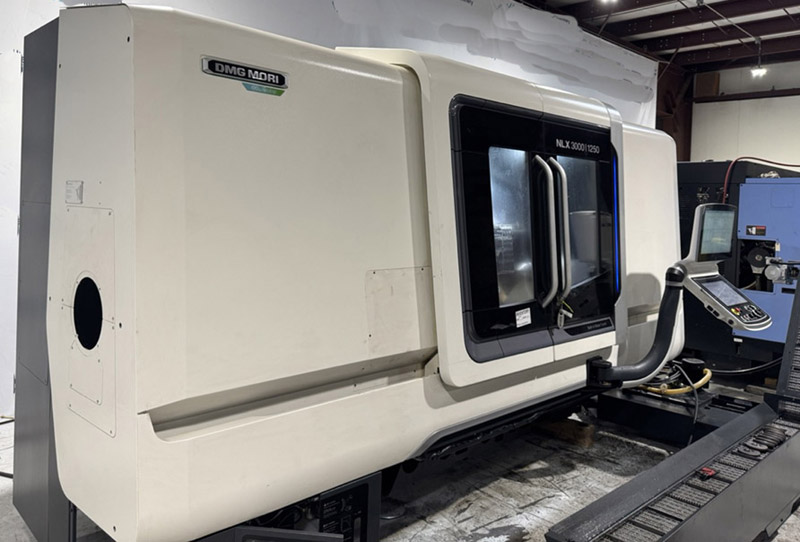
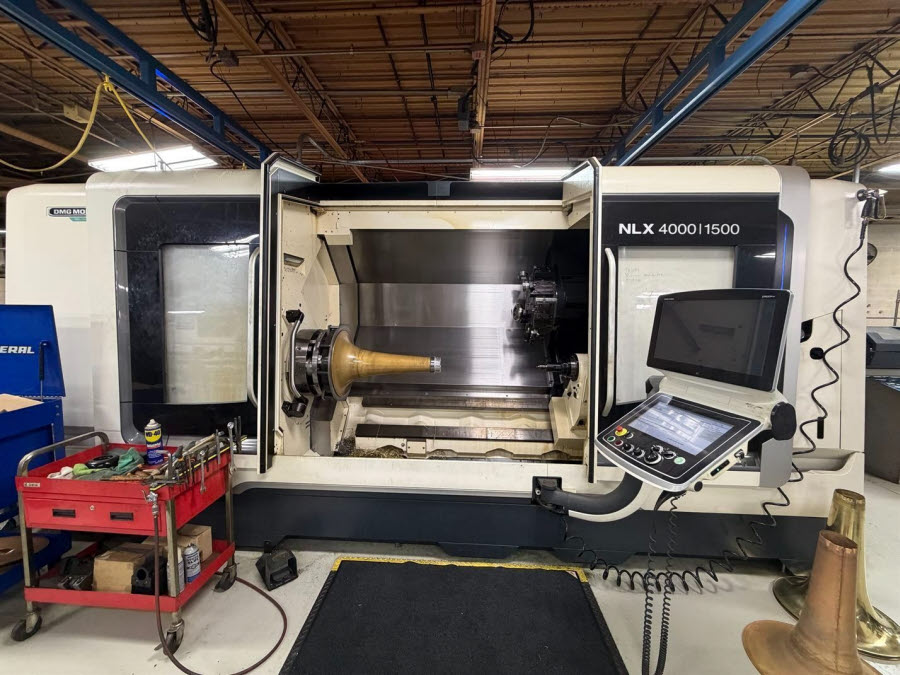
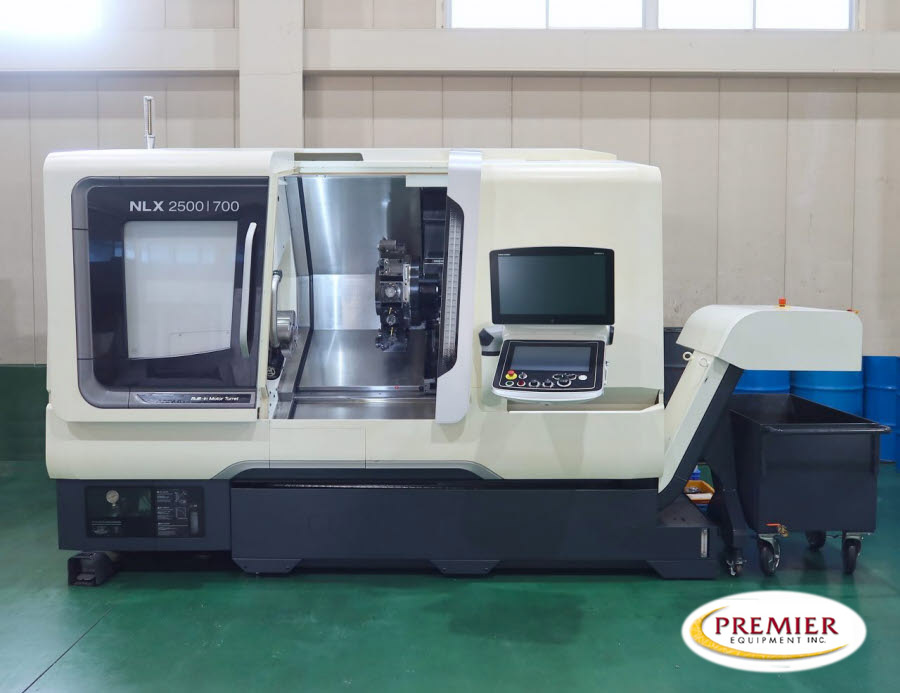
DMG Mori describes the NLX as a universal turning family. Its milling-equipped versions use a turret with driven tools, including the manufacturer's built-in motor turret design. That does not establish that every used NLX listing has live tooling, a Y-axis or a second spindle.
| Configuration | Useful application | What changes the buying decision |
|---|---|---|
| Turning-focused NLX | Parts dominated by turning, boring and threading | Workholding, support and turning capacity |
| NLX with driven tooling | Parts needing secondary drilling or milling | Installed tooling, spindle positioning and feature access |
| NLX with Y-axis and driven tooling | Off-center features that suit the available travel | Tool reach, usable Y travel and workpiece clearance |
| NLX with a second spindle | Parts needing operations after transfer | Transfer grip, back-end tools and the proposed cycle |
These are equipment combinations, not promises attached to every NLX model number. A listing's full designation and machine documentation should settle what is actually fitted.
Capacity means more than swing
Swing describes clearance around the spindle, not a guarantee that the machine can cut every feature on a part of that diameter. Turning diameter, tool access and chucking impose their own limits. Bar work also needs a compatible spindle passage, workholding and feeder arrangement.
Length deserves the same care. Leave room for the jaws, tools and any tailstock or second-spindle work. A long shaft that fits between components may still need a different support arrangement for the intended cut. Use your actual setup when comparing an NLX 2500 with a larger family member.
Generation matters too. Current OEM pages can show capacities and equipment that do not describe a particular older machine. Keep the year, length version and installed options together when making comparisons. Avoid borrowing one machine's attractive specification to fill a gap in another listing.
Compare the complete purchase
Year, condition, configuration and included tooling all affect a used NLX price. A machine equipped for the work may cost more upfront but require fewer additional holders or accessories. The reverse can also be true if the included equipment does not suit your parts.
Control familiarity is worth discussing before purchase. Identify the actual control and software environment, then consider operator training and program transfer. A familiar brand name on the enclosure does not mean every generation runs the same way.
Premier can discuss the individual machine's history and included equipment, plus help coordinate rigging and trucking quotes. Plan for unloading, installation and startup separately from the quoted machine price unless the agreement includes them. Used CNC financing is another option to discuss, subject to approval and terms.
Contact Premier with your part requirements and preferred configuration. If a suitable NLX is not listed, that gives us a useful starting point for an availability conversation.
Used DMG Mori NLX FAQs
How do I confirm a used NLX's milling capability?
Use the full model designation and machine documentation to establish the turret and driven-tool arrangement. Then confirm which holders come with the sale. A machine's milling capability and the tooling included in its asking price are separate questions.
What is the difference between an NLX and an NTX?
The NLX is turret-based. The NTX uses a B-axis tool spindle for turn-mill work. Choose according to the part's milling requirements, tool approach and production route rather than treating the two families as interchangeable.
Does an NLX model number establish bar capacity?
Not by itself. Use the exact machine's spindle and workholding specifications, along with the installed feeder arrangement. Machines within a family can differ by year and package, so a general brochure figure is not sufficient for a bar-fed job.
What affects the price of a used NLX?
Model size, year, condition and configuration influence price, along with included tooling and accessories. Compare the cost to put each machine into production. Rigging, transport, installation and any missing tooling can change which offer makes sense.