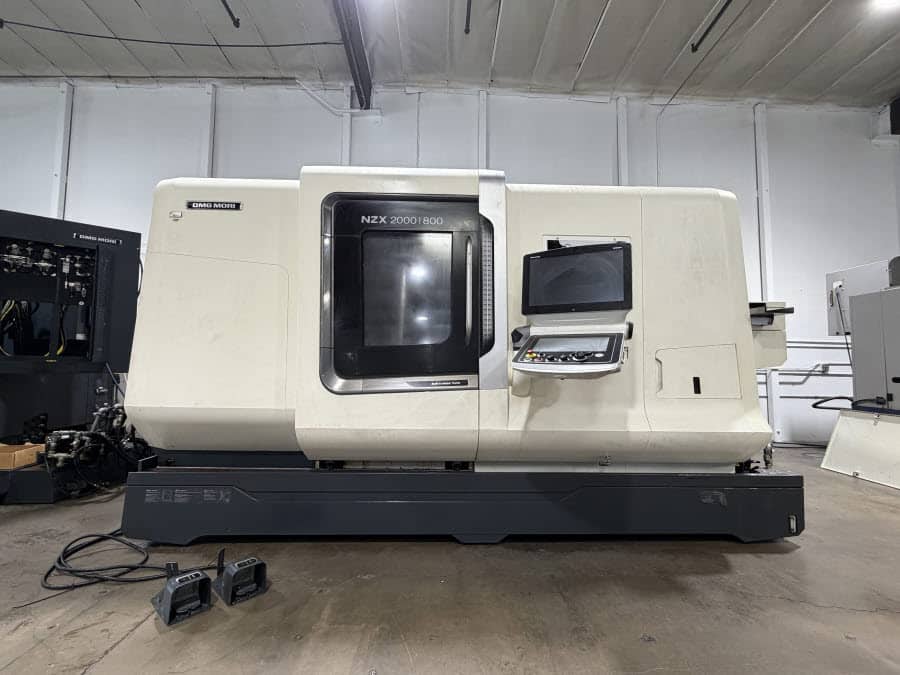
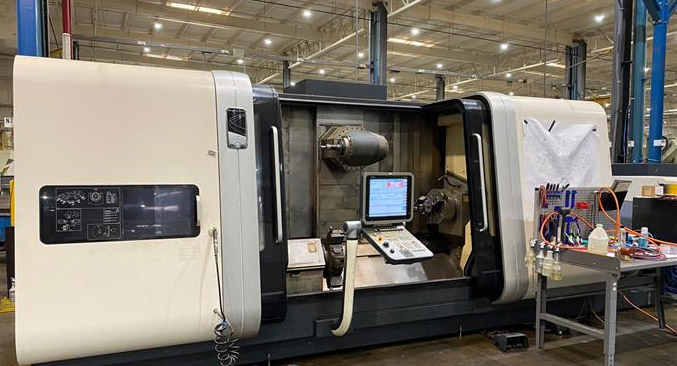
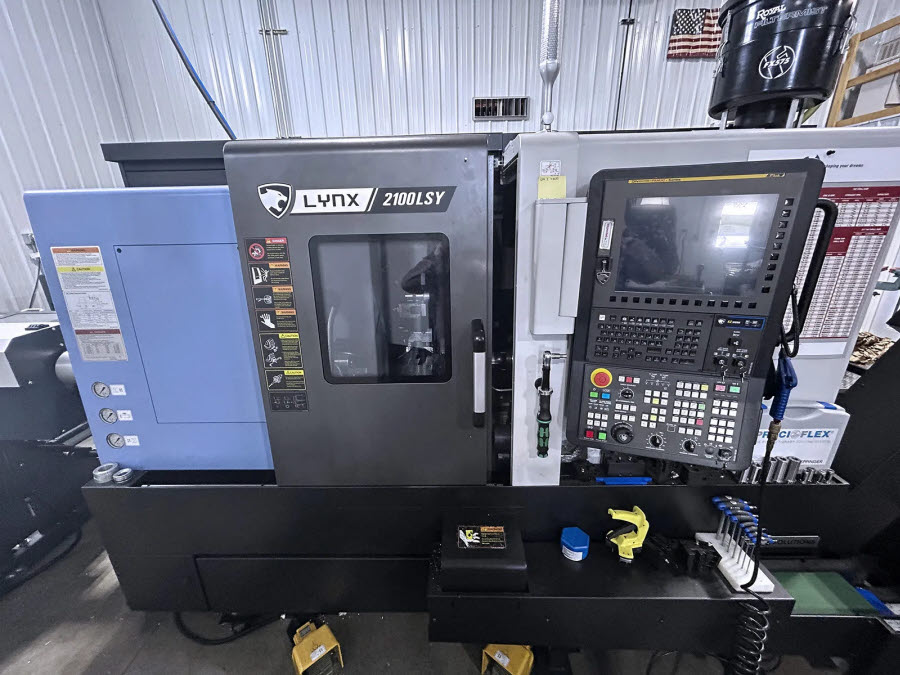
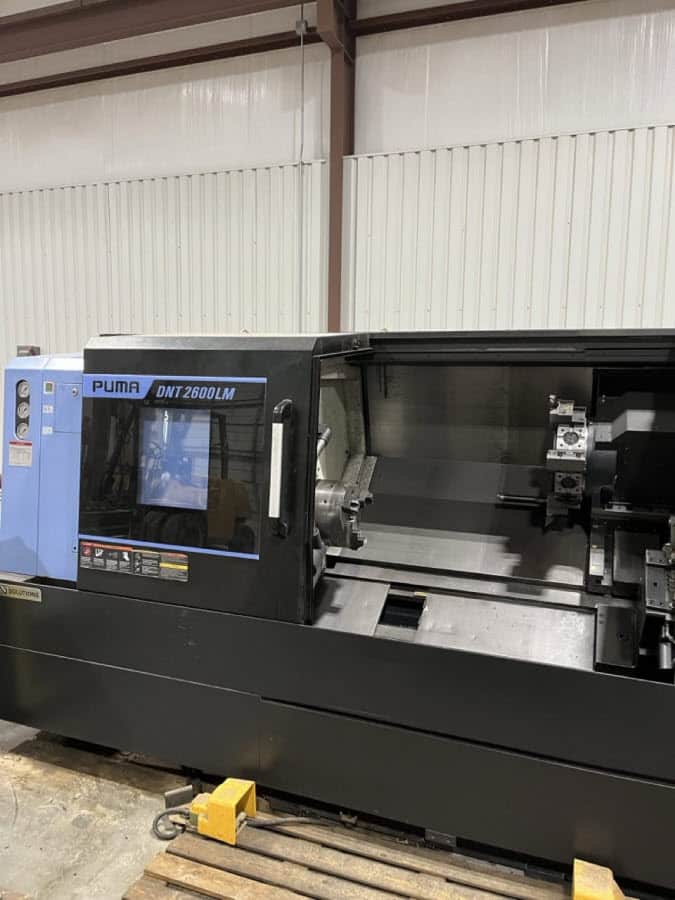
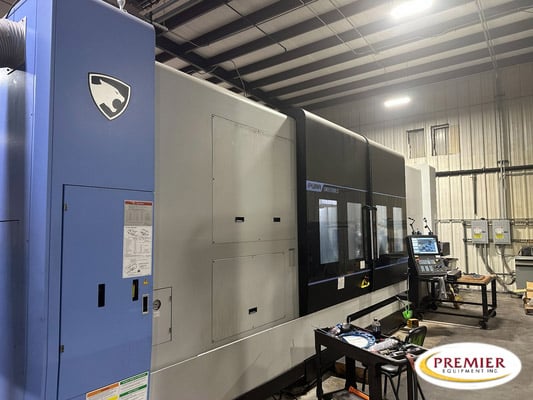
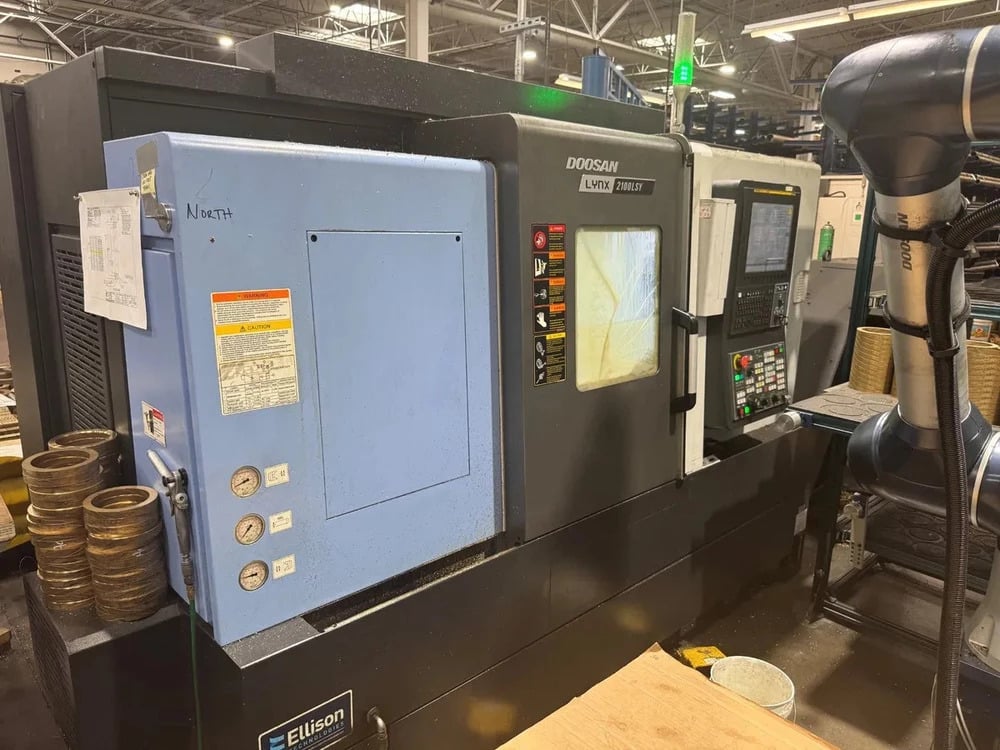
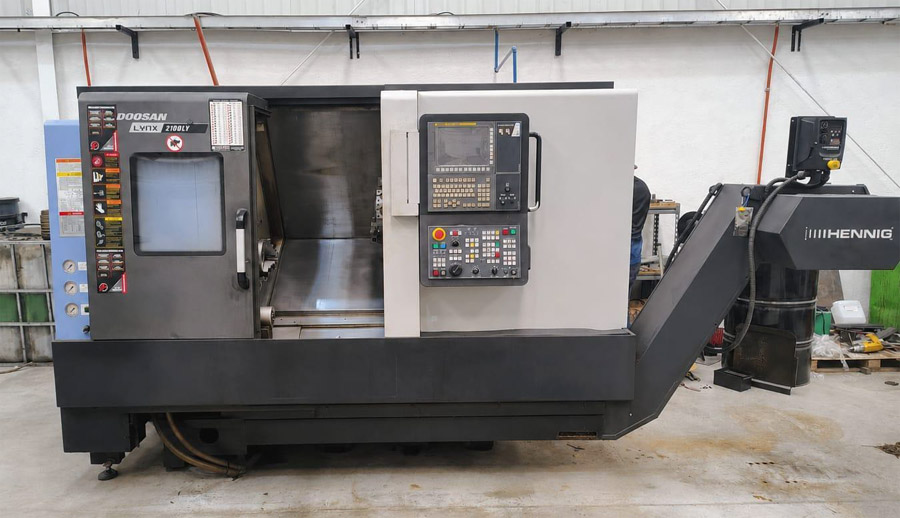
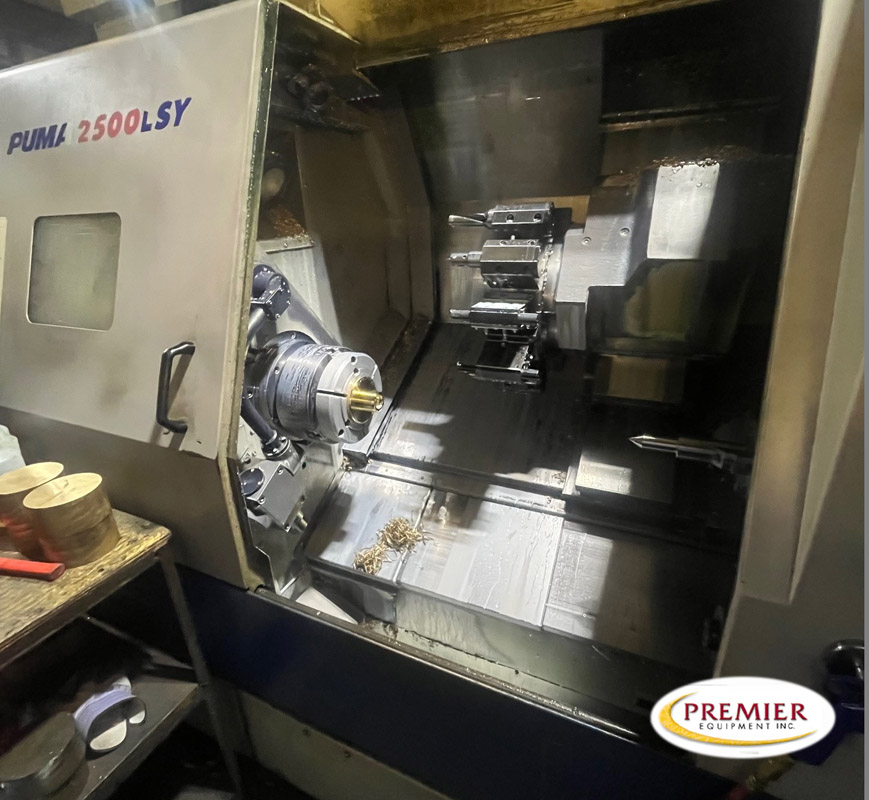
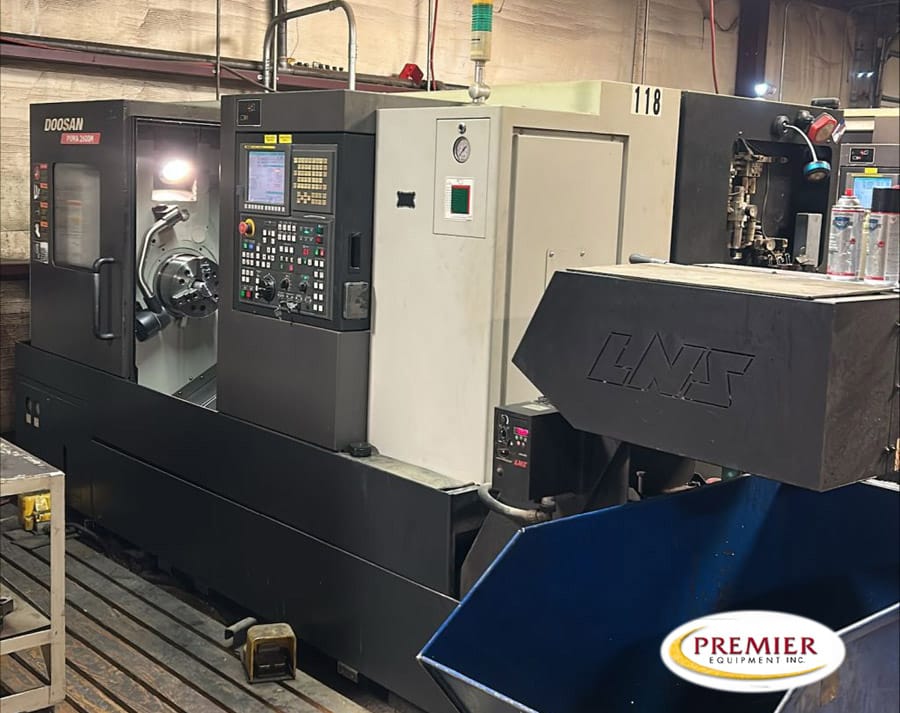
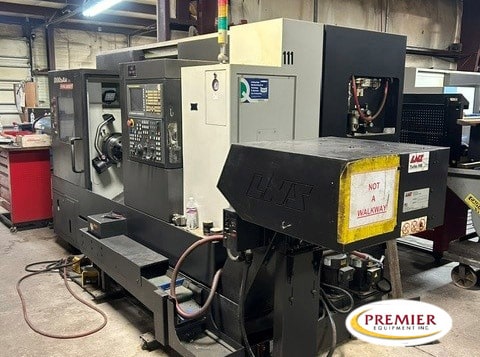
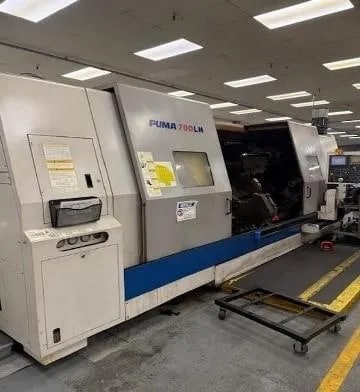
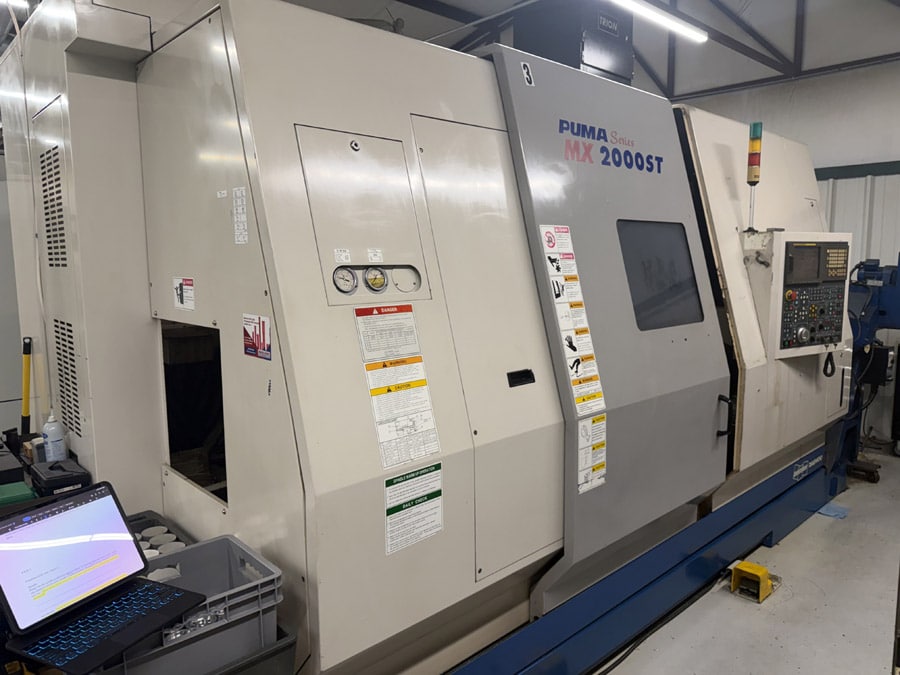
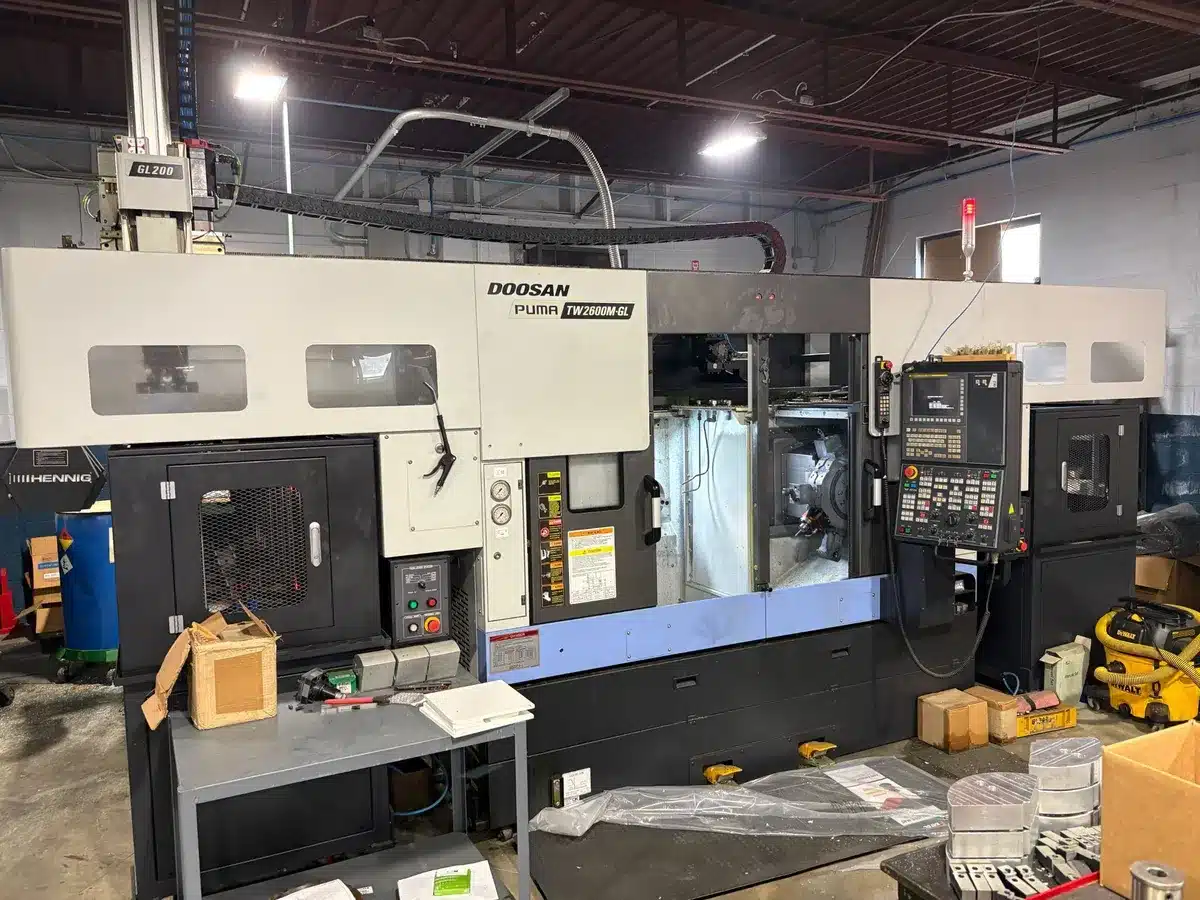
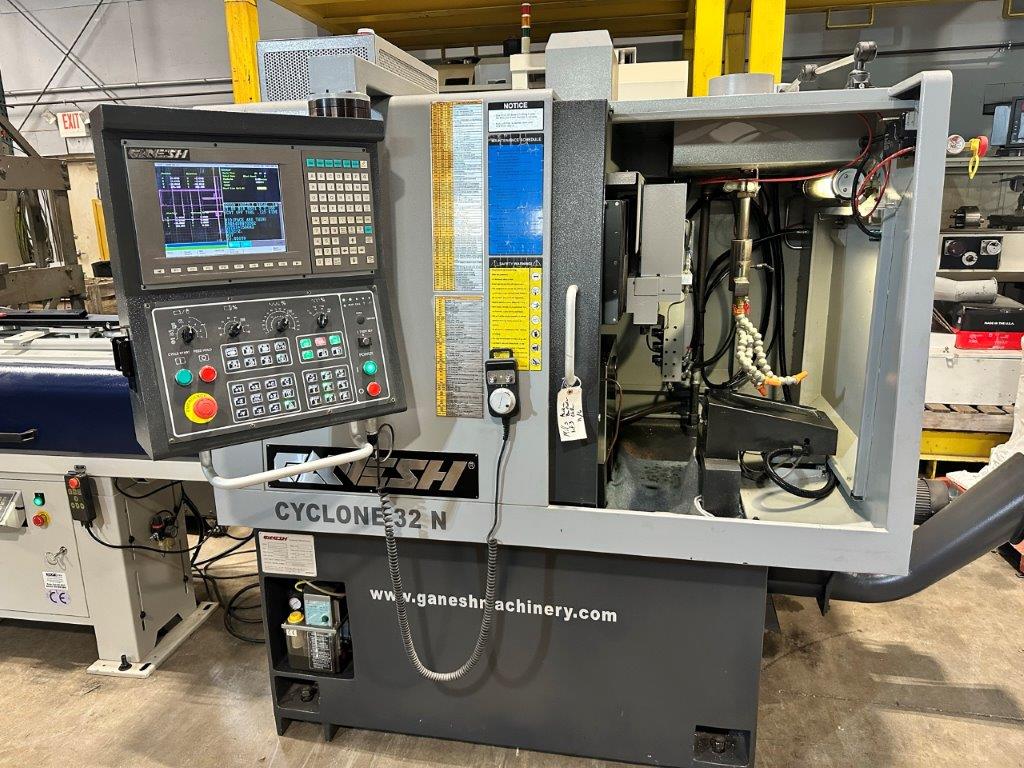
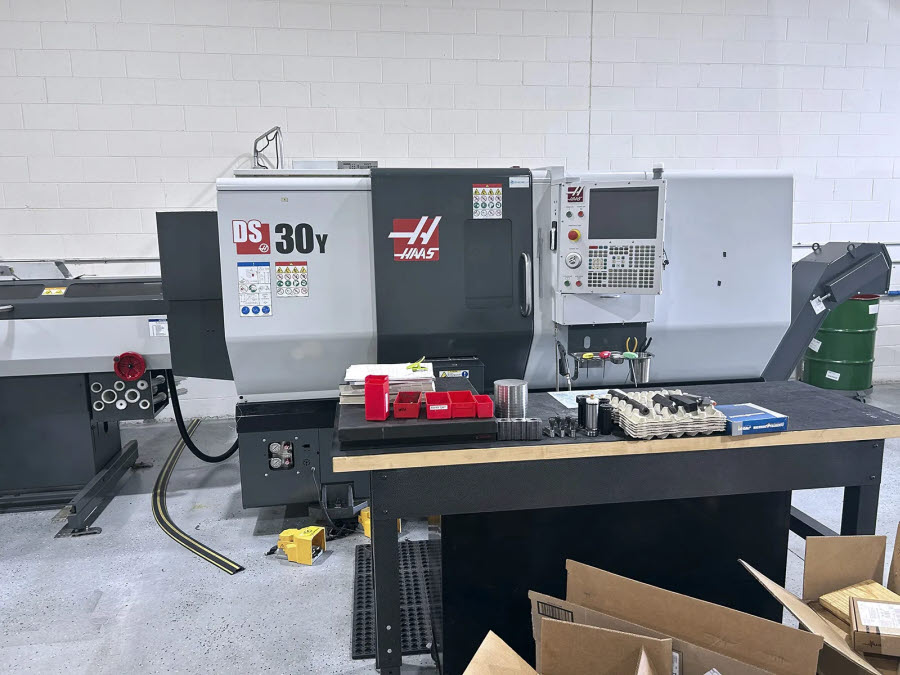
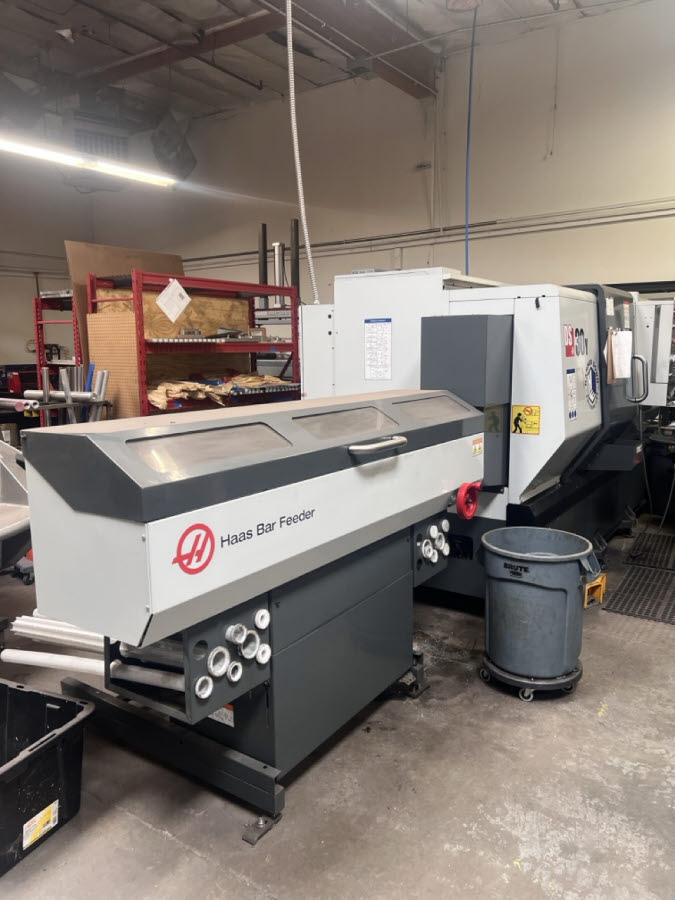
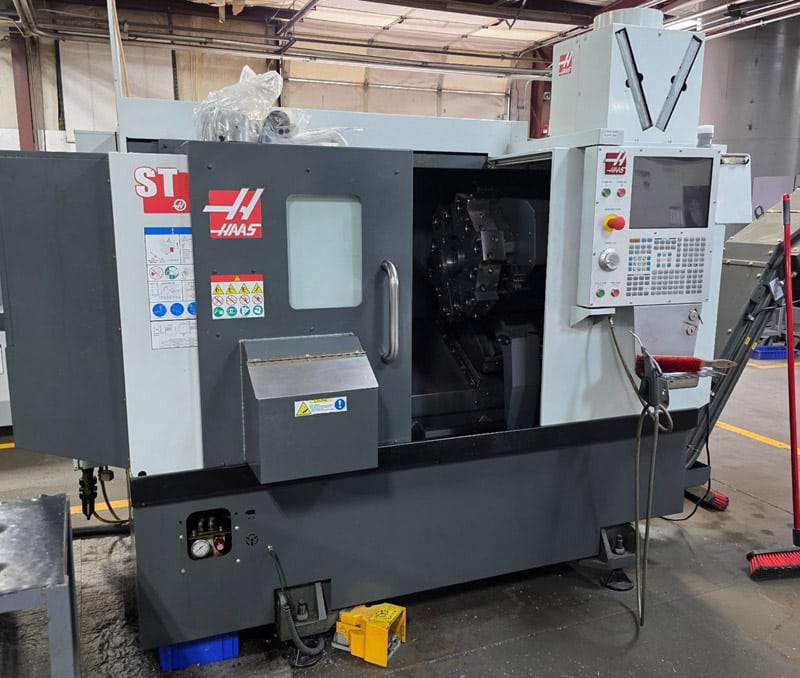
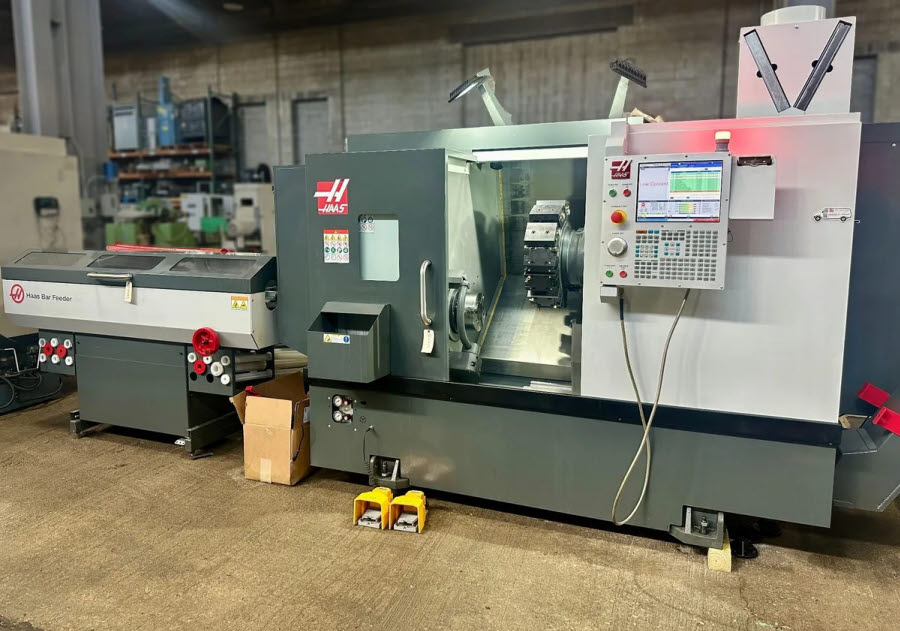
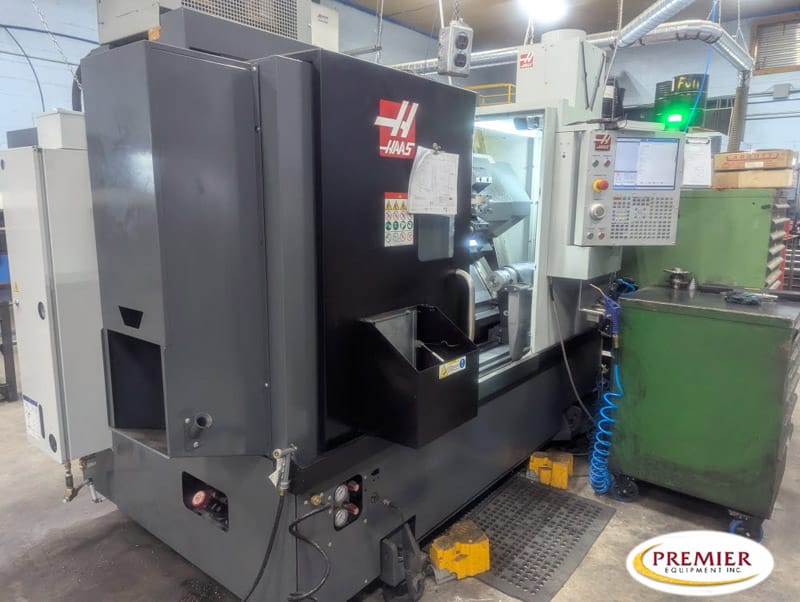
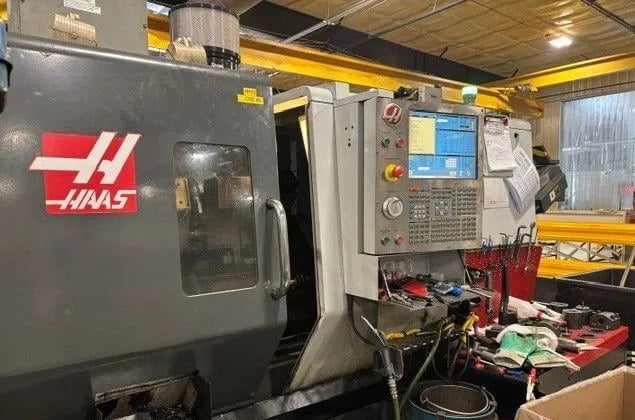
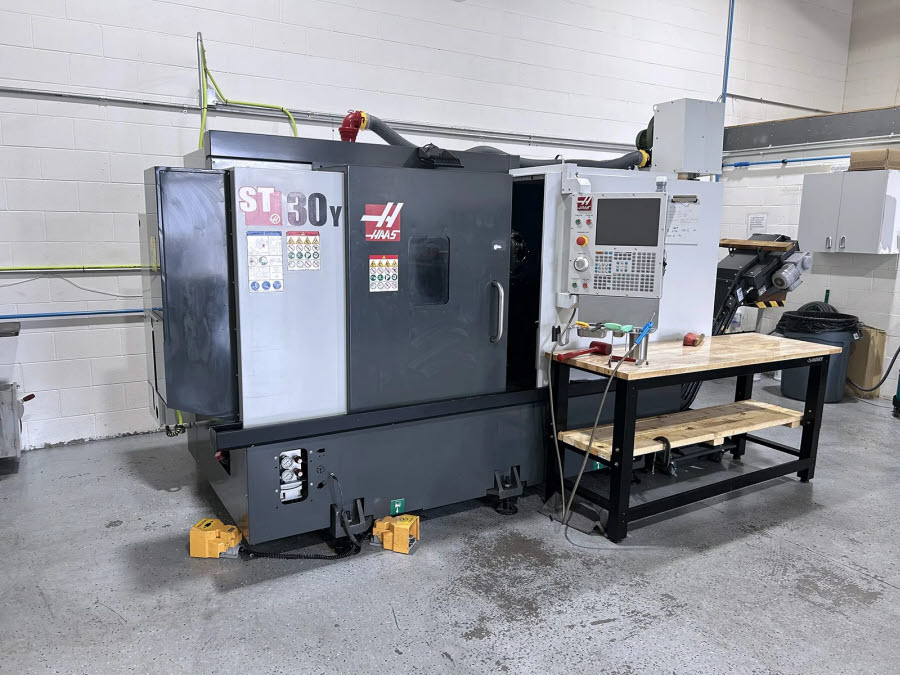
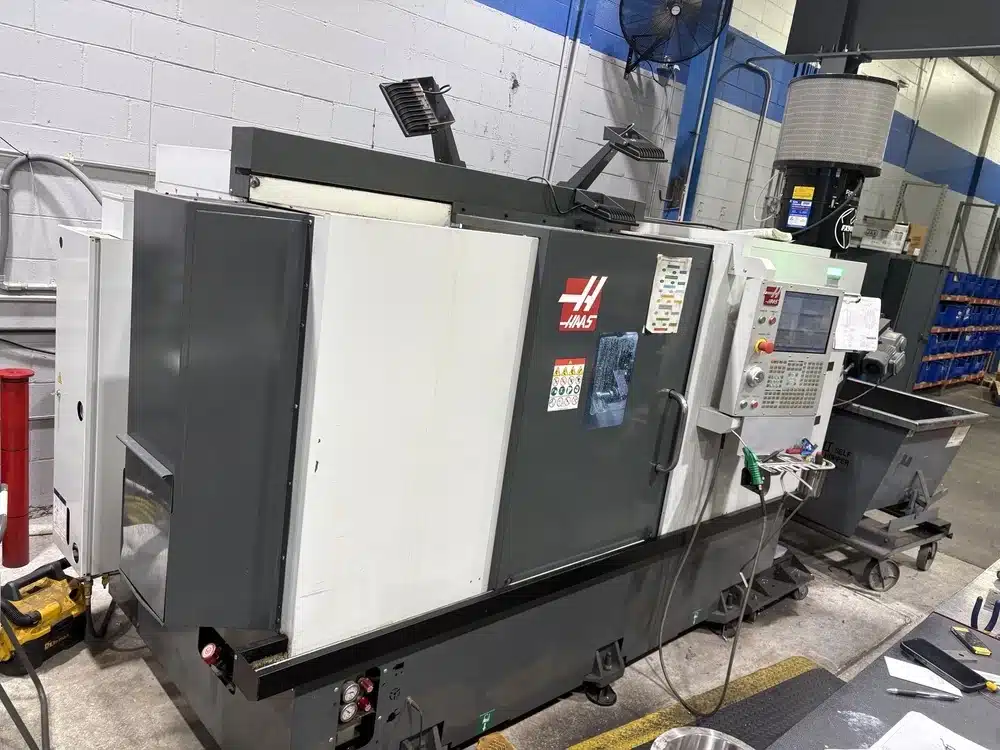
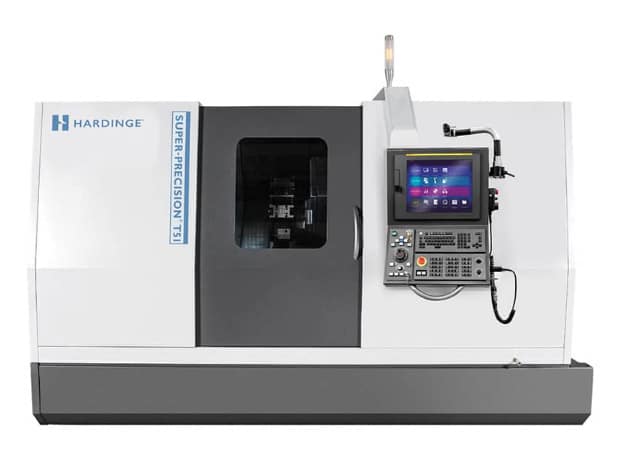
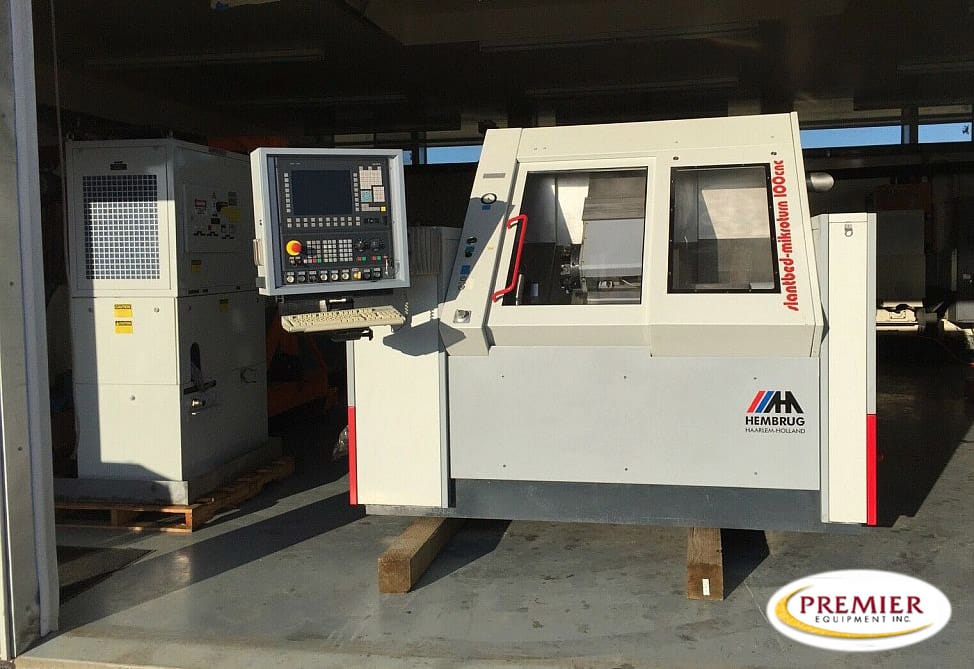
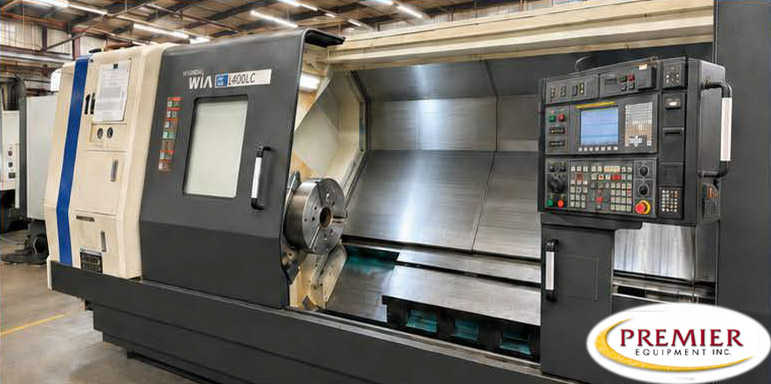
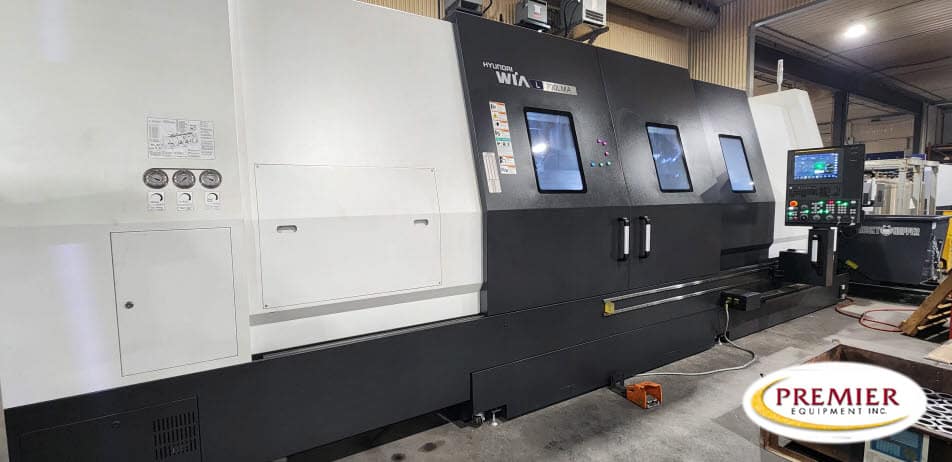
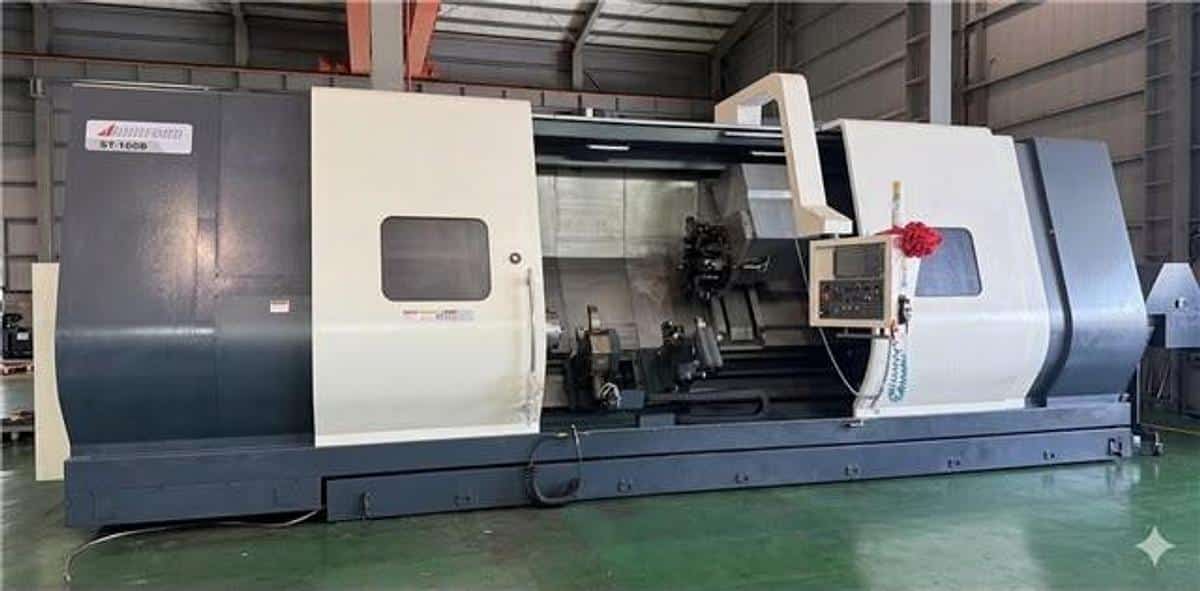
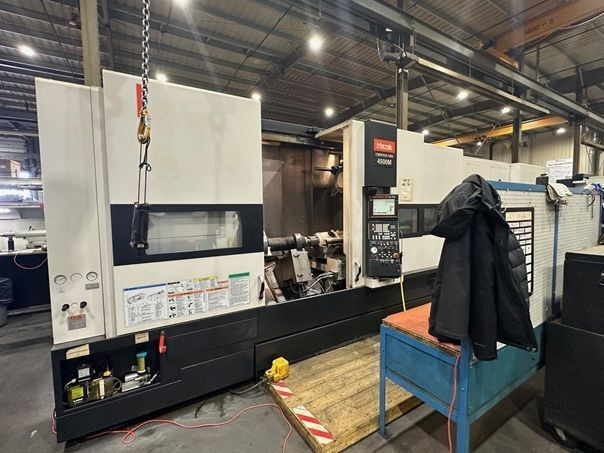
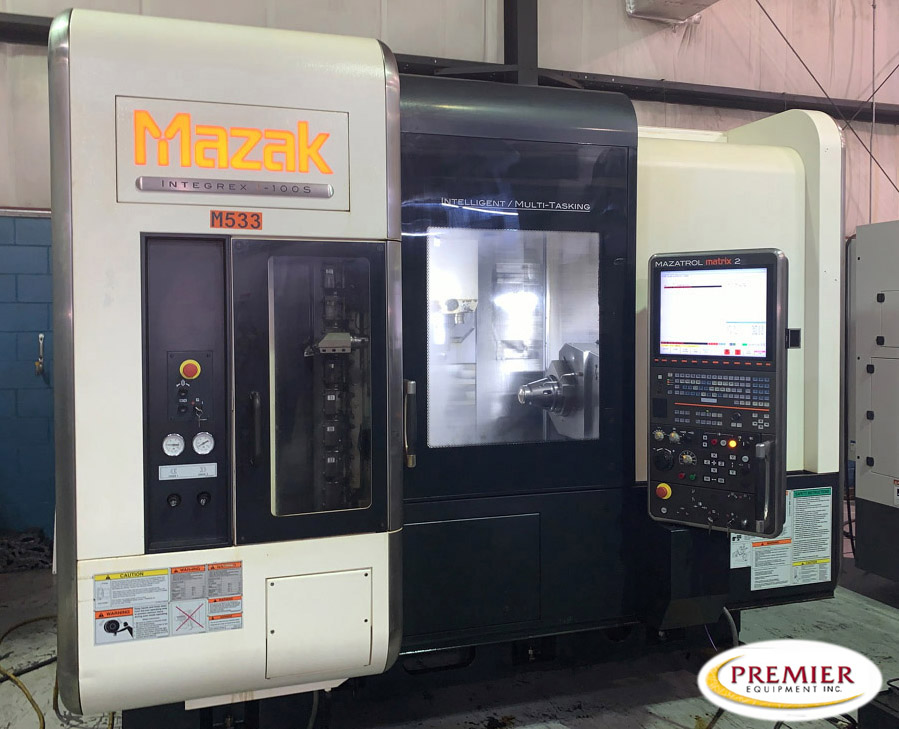
Compare 2-axis, 3-axis and 4-axis CNC lathes
The right lathe is the one that fits the job you need to run. More axes can reduce handling or let two tools cut together, but they also change programming, tooling and setup requirements. A shop running repeat shaft work may need something quite different from a shop milling offset features on turned parts.
Use the configurations below to compare capabilities. Builders and sellers do not always count axes the same way, so the machine's axis layout and installed options matter more than the category label.
| Configuration |
Typical arrangement |
Work it can suit |
What the label does not establish |
| Standard 2-axis CNC lathe |
X and Z cutting motions |
Turning, facing, boring, grooving and threading |
Live tooling or controlled C-axis movement |
| Common 3-axis configuration |
X/Z/C, with suitable live tooling for milling |
Angular hole patterns and selected milled features |
Y-axis travel or every interpolation function |
| 4-axis twin-turret turning |
X1/Z1 and X2/Z2 |
Turning operations that can overlap |
Milling capability or a sub-spindle |
| 4-axis X/Y/Z/C configuration |
Linear Y travel plus controlled spindle motion |
Off-center features with suitable driven tools |
A second turret or automatic part transfer |
| Other multi-axis arrangements |
Additional turret, spindle or milling-head motions |
Combined operations and backworking where equipped |
Simultaneous 5-axis machining or a standard options package |
When a 2-axis CNC lathe is enough
A standard 2-axis lathe uses X and Z motion to machine diameter and length. It can produce a stepped shaft with bearing journals and an external thread, or a bushing with a bored diameter and face groove. With suitable tooling, it can also drill along the spindle centerline while the workpiece rotates.
That basic arrangement is the comparison point here, rather than an advanced multi-axis configuration. If your parts mainly need turning, browse our
full used CNC lathe inventory for simpler machines alongside expanded configurations.
Choose capacity around the actual work. Bar capacity can limit a bushing job before chuck size does. A long shaft may need tailstock or steady-rest support to manage deflection. Maximum swing describes clearance, not necessarily the diameter the machine can turn throughout its working envelope.
Occasional flats or cross-holes may fit your existing milling schedule. Repeated secondary setups are a stronger reason to consider additional capability at the lathe.
What a 3-axis CNC lathe adds
A common 3-axis arrangement combines X and Z travel with controlled C-axis movement of the work spindle. With suitable live tooling, the machine can position the part for drilling or selected milling operations. Ordinary spindle rotation during turning does not establish C-axis control.
Indexing and interpolation serve different tasks. An indexed hole pattern needs the spindle to stop at specified angles. A contour may need coordinated linear and rotary movement throughout the cut. Confirm the installed control functions against the toolpath you intend to run.
Live tooling rotates the cutter; C-axis control positions or rotates the workpiece under command. Neither proves the machine has Y-axis travel. For jobs driven primarily by drilling and milling requirements, compare our
used CNC lathe inventory and confirm the milling features fitted to each machine.
Two different meanings of a 4-axis CNC lathe
A twin-turret lathe may count X1/Z1 for one turret and X2/Z2 for the other. That arrangement can put two tools on the part at once when the machining sequence and clearances allow it. Okuma's
LU3000 EX is an example of a turning center built around simultaneous four-axis machining with two turrets.
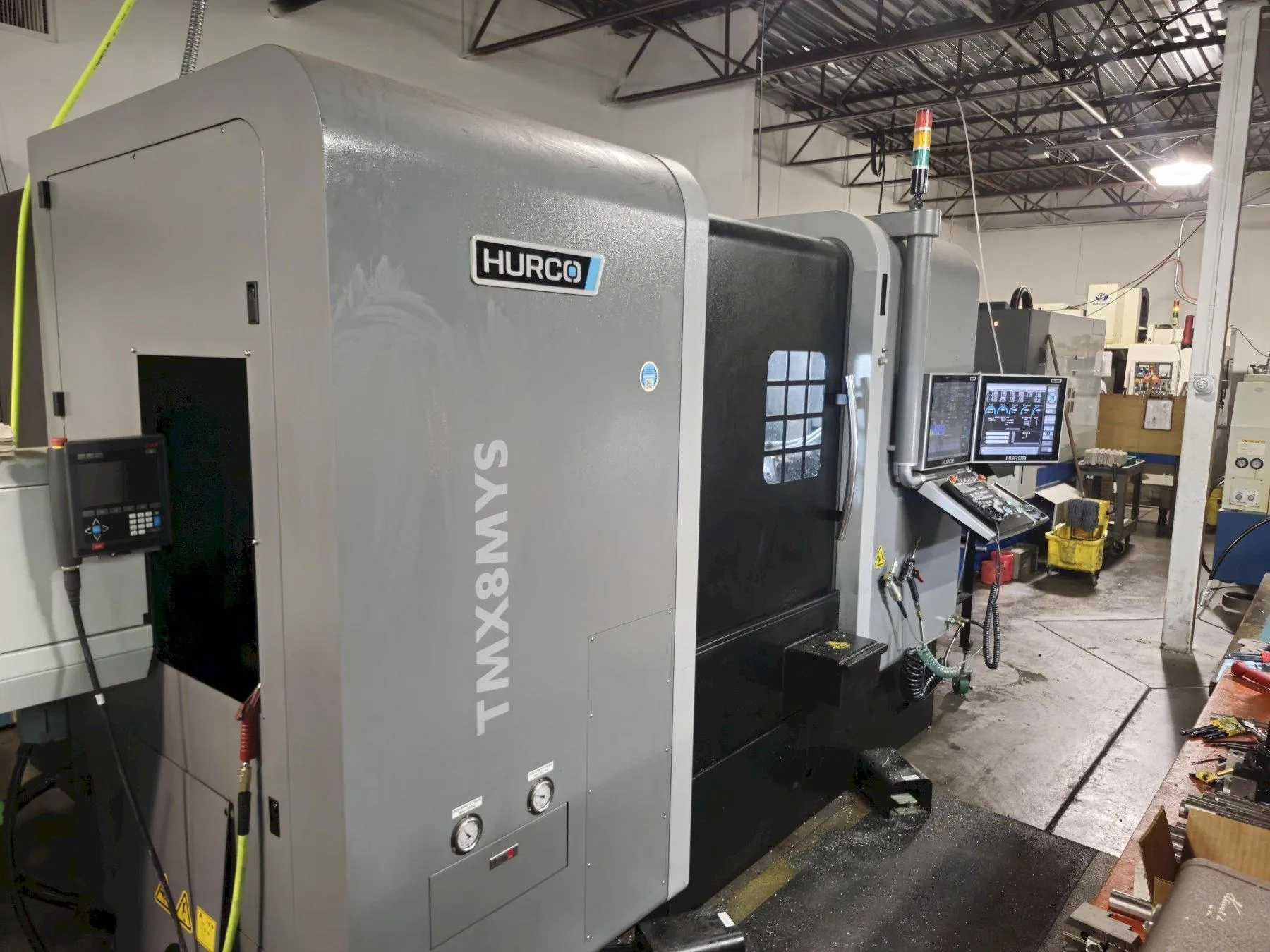
An X/Y/Z/C configuration serves a different purpose. Y adds linear movement away from the spindle centerline, while C controls the work spindle's angular position or motion. With suitable driven tools, the machine can address off-center holes, slots and other features. Hurco's explanation of
Y-axis lathe applications shows how Y travel differs from combined X/C movement.
Neither arrangement automatically includes a sub-spindle. Current manufacturer specifications also do not establish the equipment installed on an older used machine. Compare the individual machine's configuration, not every option available within its model family.
Choose the operations you want to keep together
A sub-spindle can transfer suitable parts for backworking. Twin turrets can overlap compatible cutting operations. A dedicated milling spindle can handle work beyond the practical scope of some turret-mounted live tools. These capabilities solve different production problems.
Consider a part that currently leaves the lathe for a short milling operation and another setup on its opposite end. The right equipment may reduce that handling. If the milling cycle is long, however, separate machines may keep more work moving at once. Combining operations is useful when the complete production sequence benefits.
Compare machine capacity as carefully as axis motion. Part transfer needs suitable grip length and workholding. Milling needs tool access and clearance near the chuck. Driven holders, programming software and the correct CAM postprocessor can affect how quickly the machine starts making parts.
Discuss your next lathe with Premier Equipment
Send us the part size, material, recurring quantities and the operations you want to combine. We can discuss machine configurations and included equipment against those requirements. Start with the production problem rather than paying for axes you will rarely use.
Premier can discuss
used CNC financing and coordinate rigging and shipping. Include tooling and installation in the budget as well as the machine. Call (407) 786-2000 or
contact Premier Equipment to discuss available options.
CNC lathe axis FAQs
Is a 2-axis CNC lathe a multi-axis turning center?
A basic lathe has two controlled cutting axes, but the term multi-axis turning center generally refers to capabilities beyond standard X/Z turning. This page compares the simpler arrangement with expanded configurations so you can decide whether the additional capability suits your work.
Does a 3-axis CNC lathe always have a Y-axis?
No. A common arrangement uses X, Z and C, with C controlling the work spindle's angular position or motion. Y is a separate linear movement. Axis-count terminology varies, so review the documented layout and installed equipment for the machine.
Can every 4-axis CNC lathe perform milling?
No. Four axes may describe two turrets with independent X/Z movement. Milling requires suitable driven tooling or a milling spindle, along with the necessary control functions. A four-axis label alone does not confirm those features or a sub-spindle.
Does multi-axis mean simultaneous 5-axis machining?
No. A machine may have several controlled axes without coordinating five machining axes during a cut. Twin-turret turning, spindle transfer and simultaneous five-axis contouring are different capabilities. Match the machine's supported motions and programming functions to the operations your part requires.