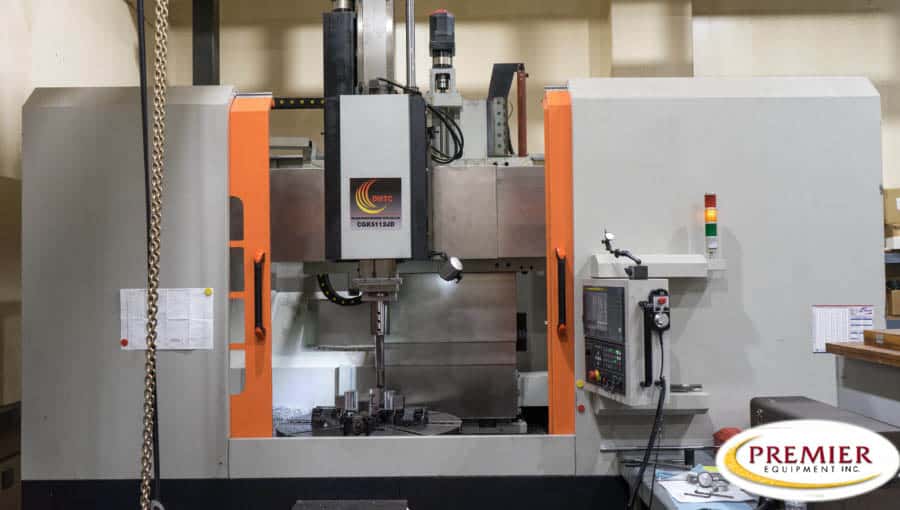
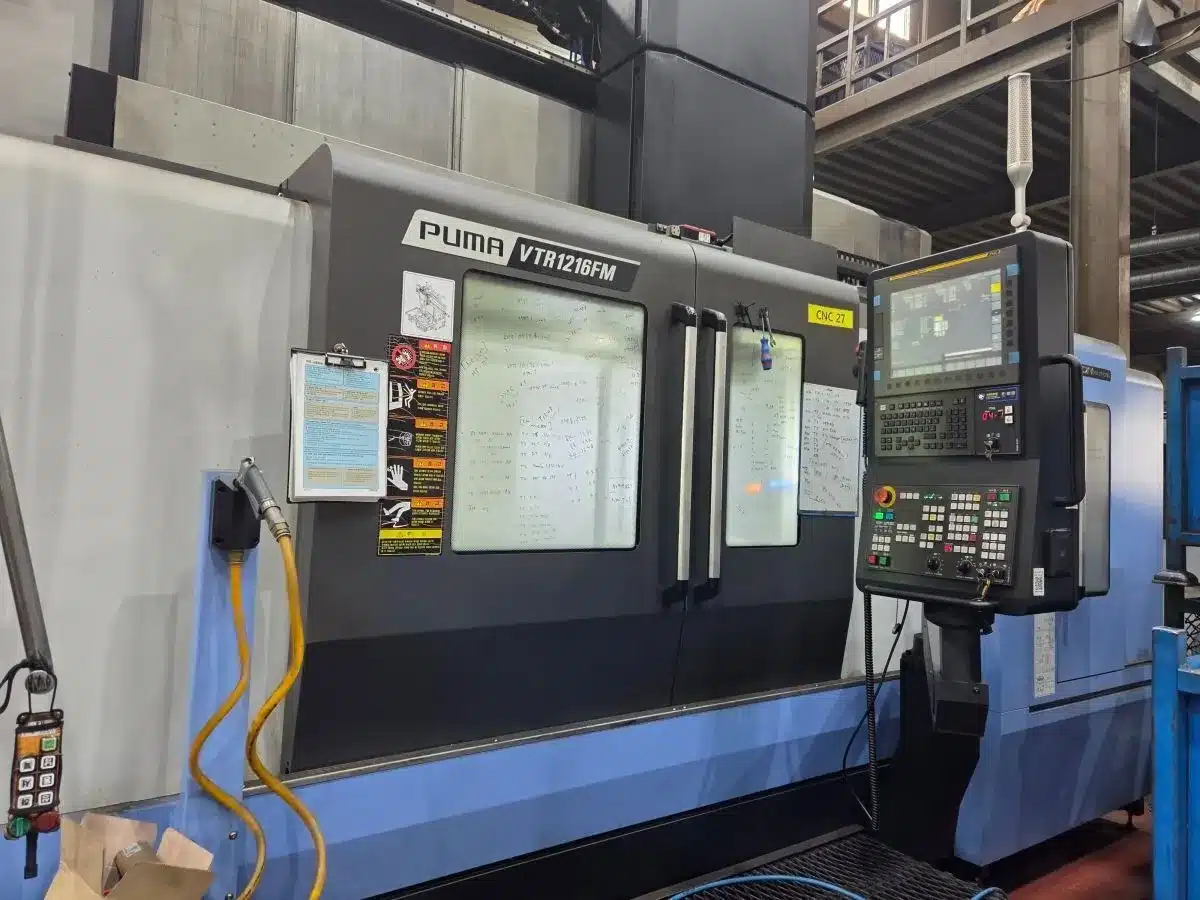
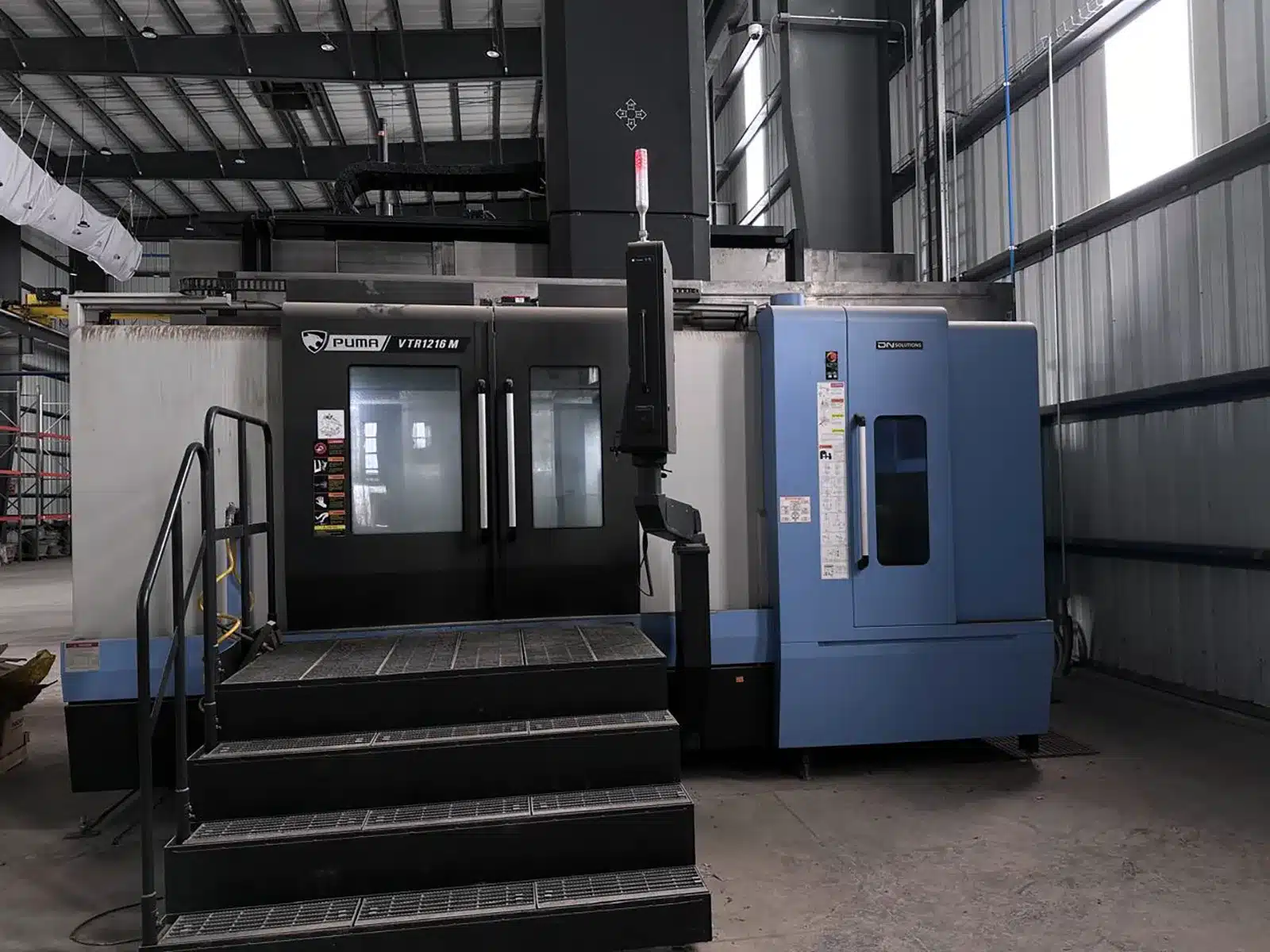
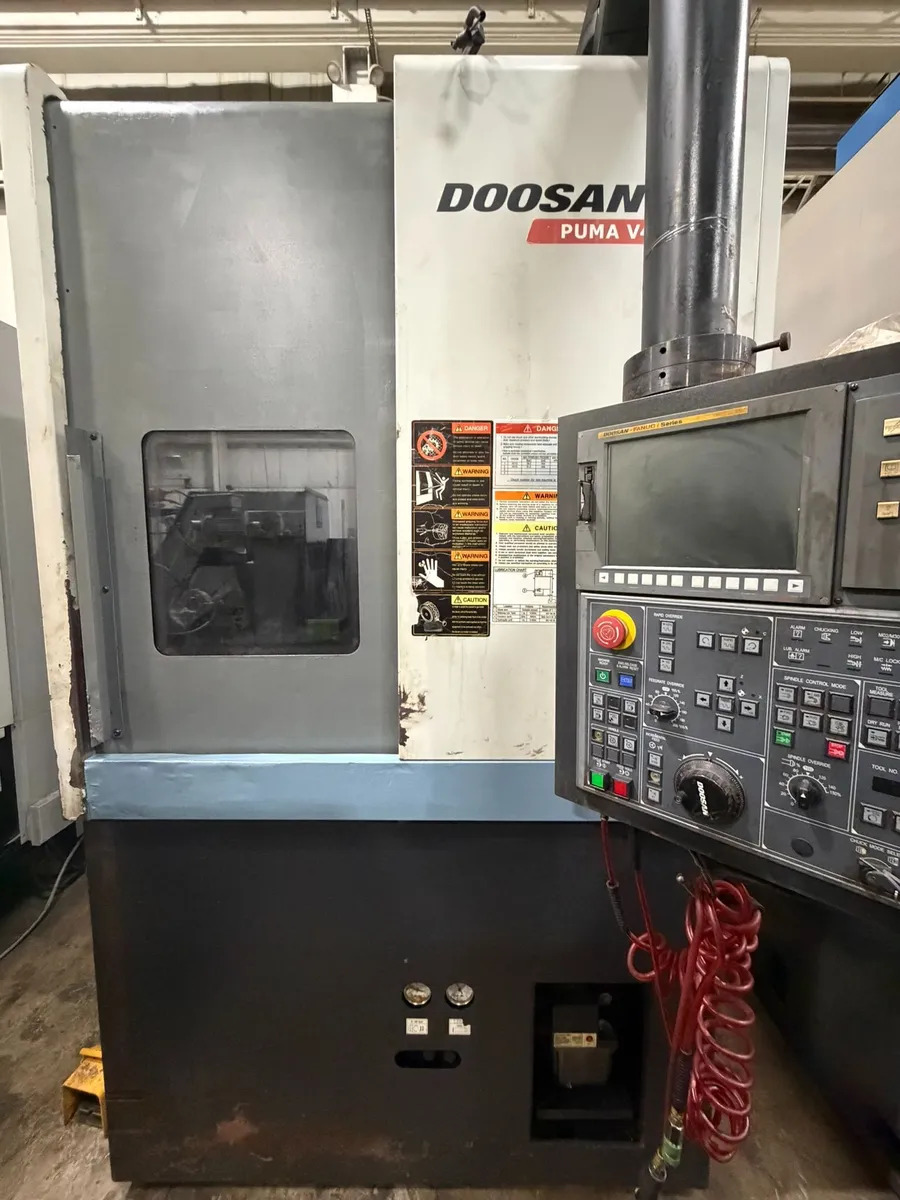
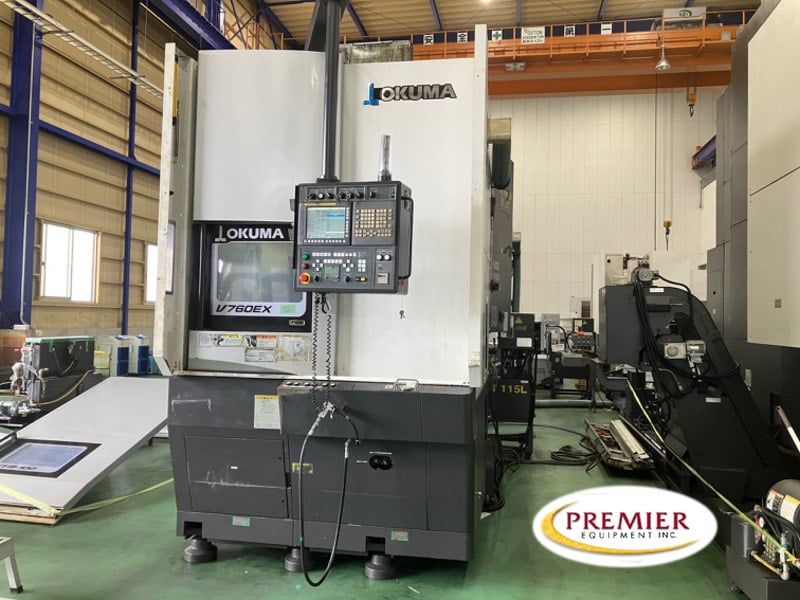
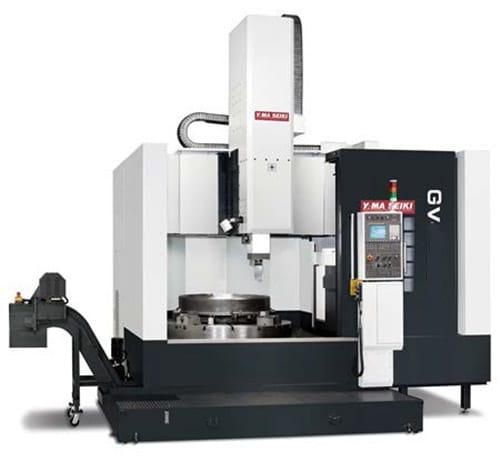
Choosing between a used CNC VTL and a used CNC VBM
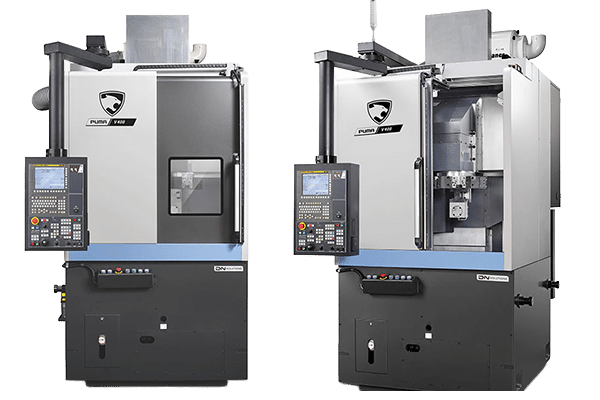
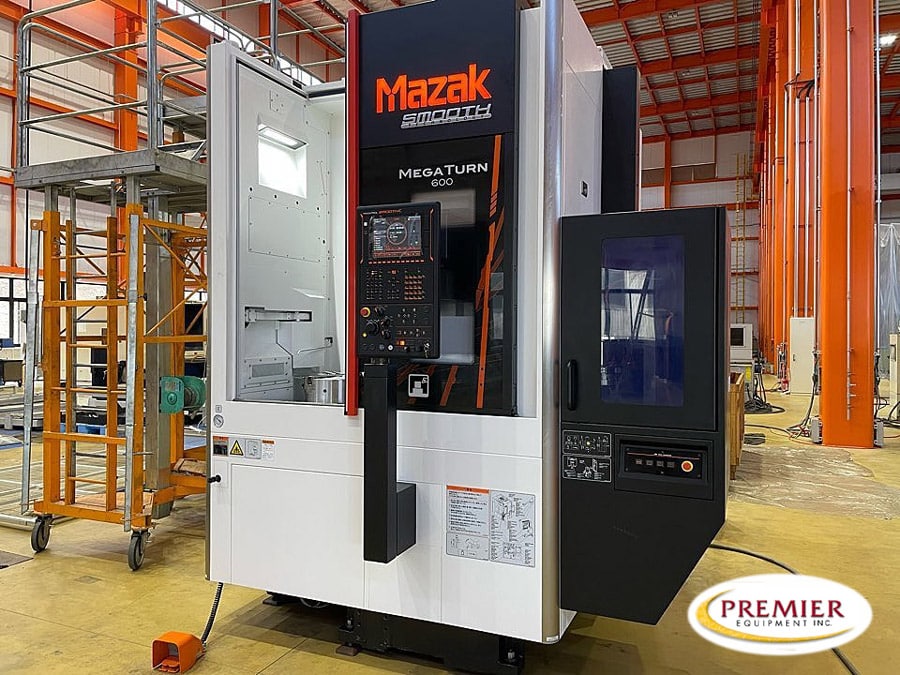
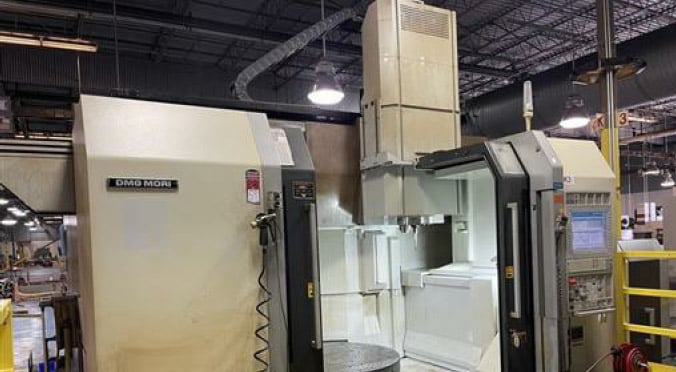
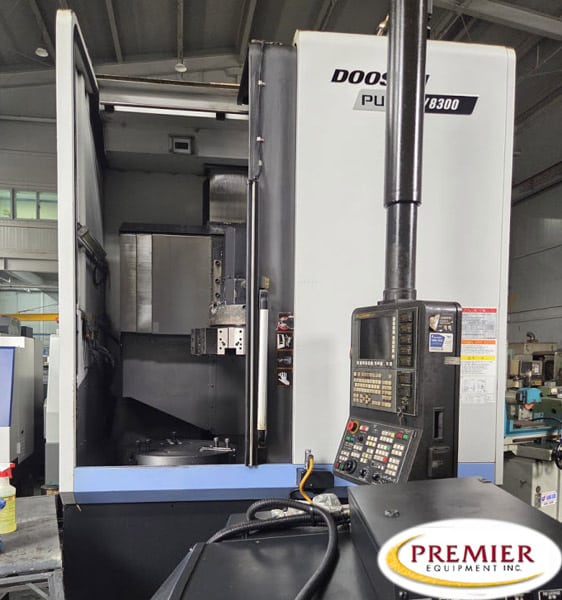
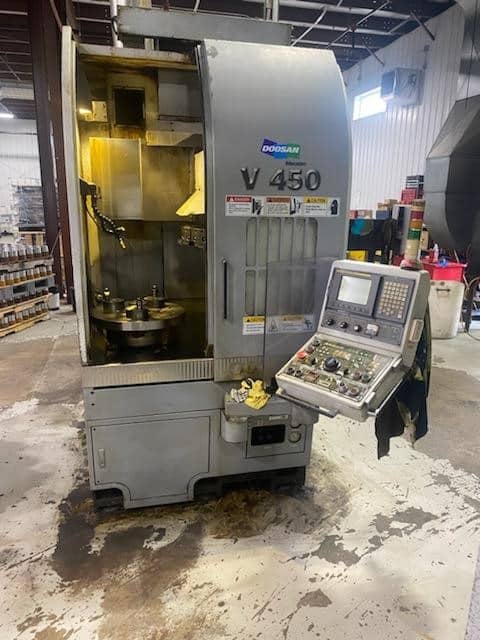
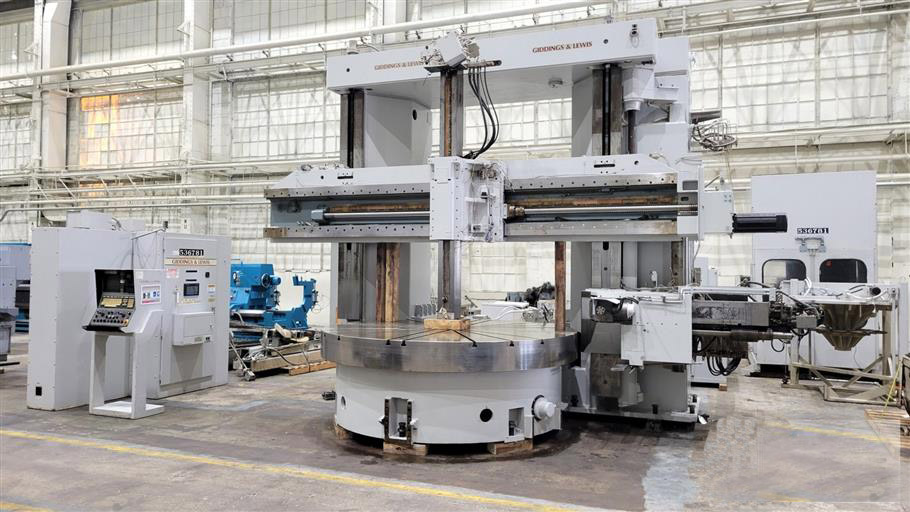
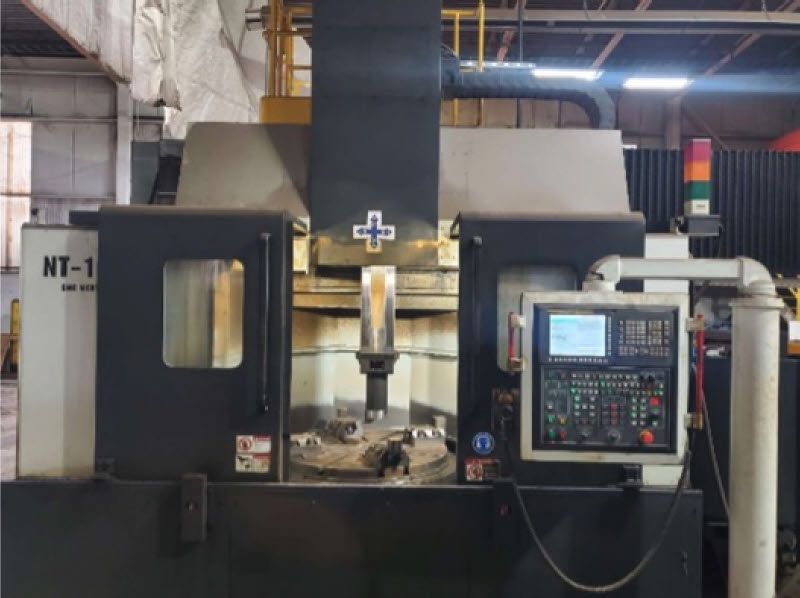
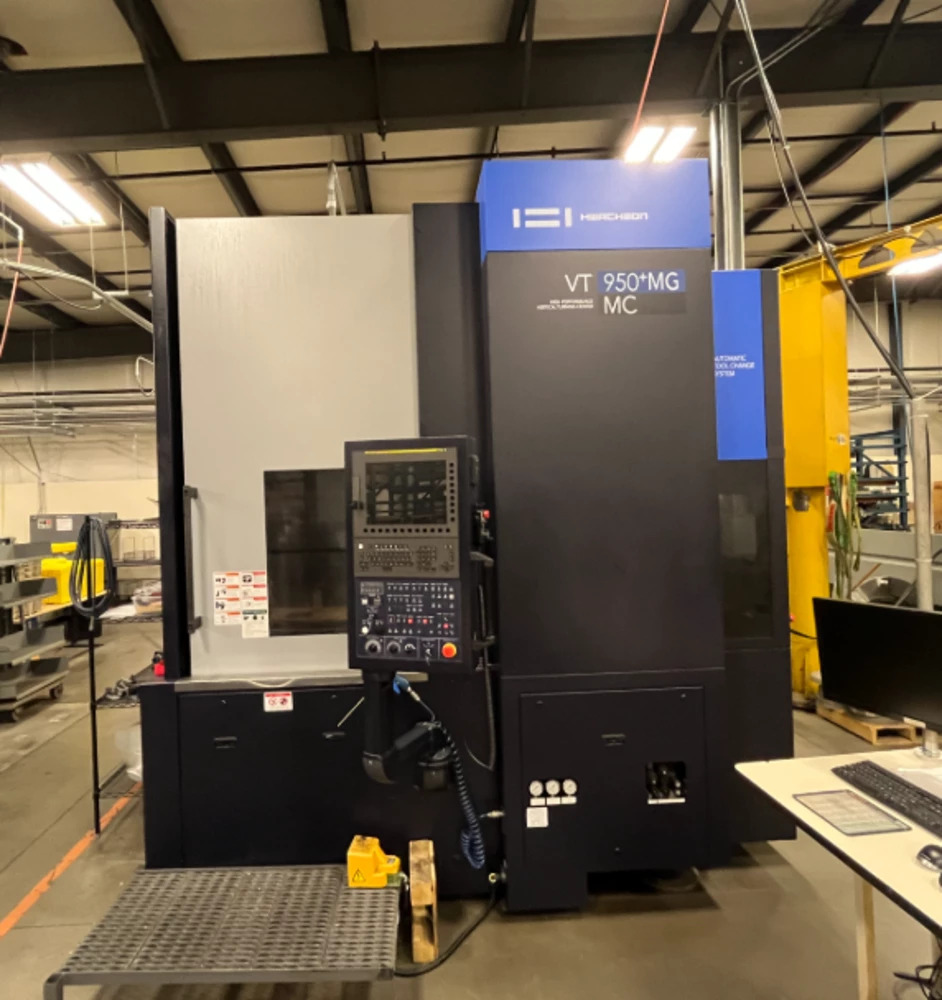
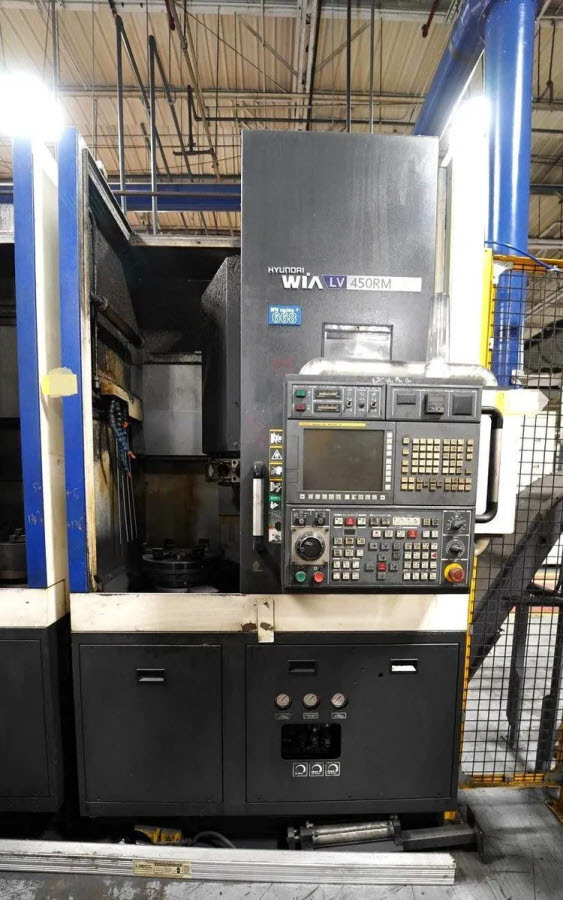
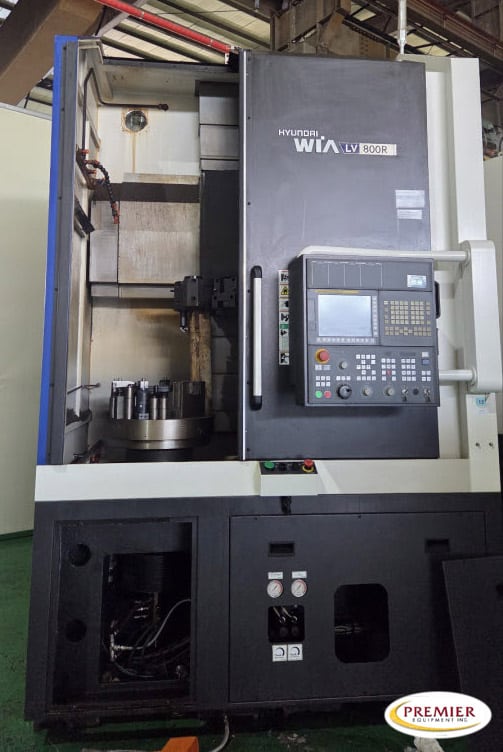
A VTL is usually the better fit when the job is mostly large diameter turning. Think rings, wheels, valves, flanges, castings, aerospace parts, energy parts, and other workpieces that are easier to load vertically than across a horizontal lathe. Buyers often search for VTL, vertical turning lathe, vertical turret lathe, CNC vertical lathe, and vertical turning center when they mean this family of machines.
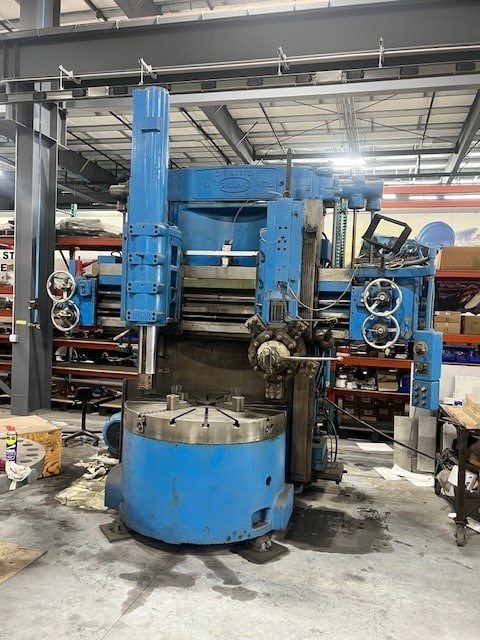
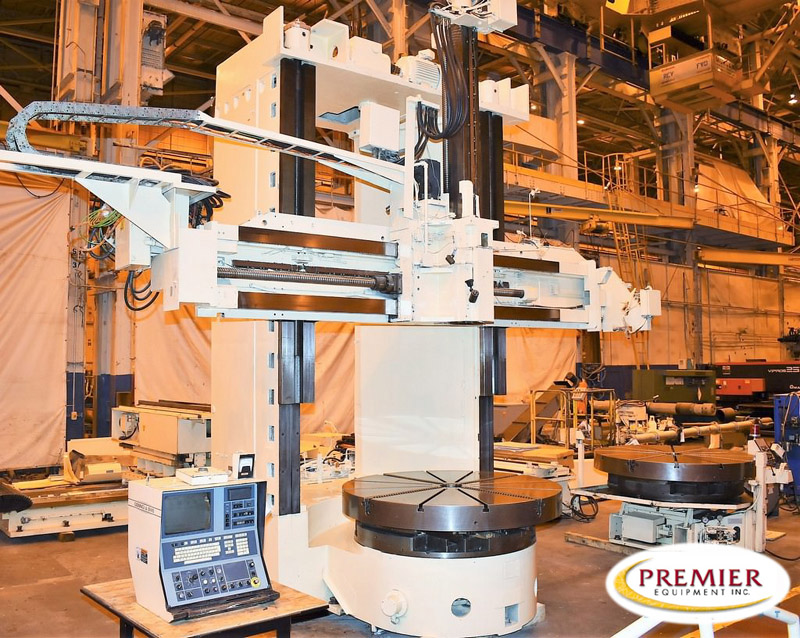
A VBM is usually chosen when the job leans more toward vertical boring, facing, heavy table work, and large workpieces that need strong vertical support. In the used market, VBM and VTL language can overlap because many machines can turn, bore, face, drill, and mill depending on the configuration. That is why the right machine comes down to the actual part, not the acronym in the listing title.
Specs that matter on VTL and VBM machines
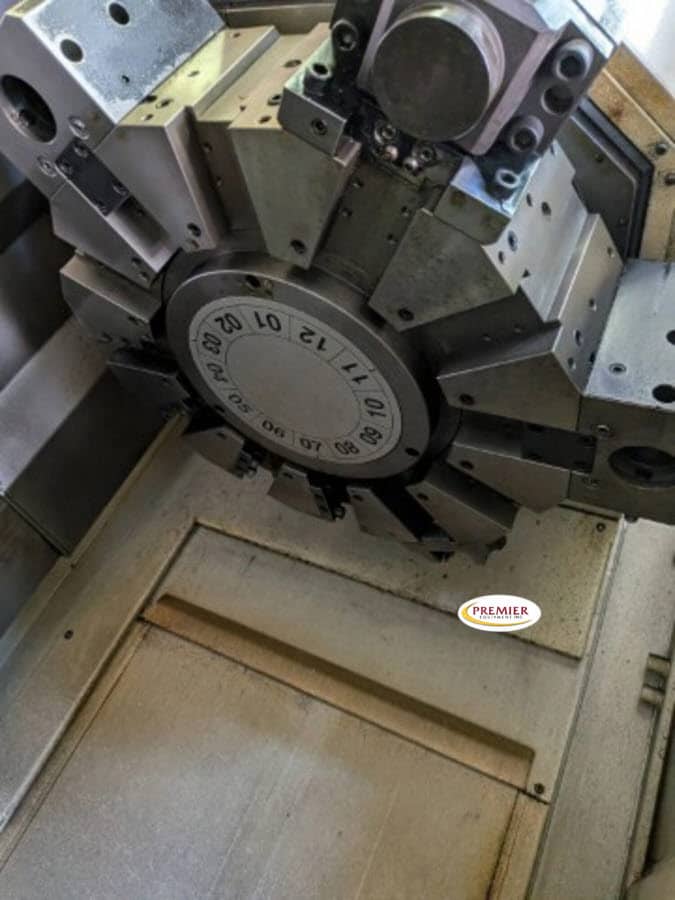
Start with capacity. Look at table or chuck diameter, maximum swing, turning diameter, work height, table load, ram travel, rail movement, turret or tool changer style, spindle power, live tooling, C-axis, milling capability, and control type. A machine with the right name can still be wrong if it lacks the travel, horsepower, tooling, or control support your operators need.
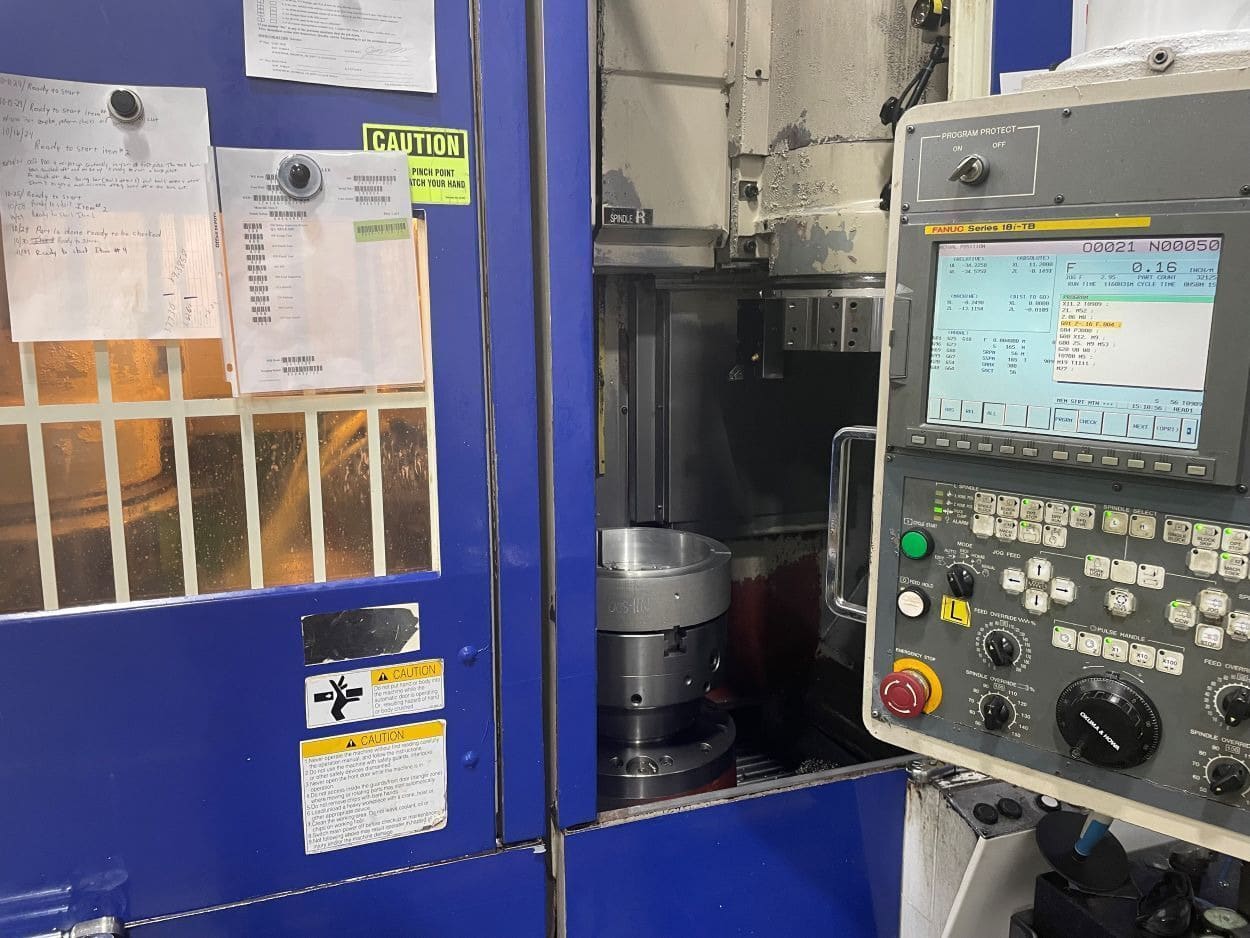
For used machines, condition matters as much as size. Ask about the spindle, table, ways, screws, electrical cabinet, control age, service history, included tooling, chip handling, coolant, and whether the machine can be inspected under power. Large VTL and VBM machines can also create facility questions around power, foundation, crane access, freight, rigging, and floor space.
Where VTL and VBM machines fit in the shop
A used CNC VTL can replace or support horizontal lathe work when the part is too large, too heavy, or too awkward to hold horizontally. It can also reduce handling when the part benefits from sitting flat on the table. Machines with live tooling or milling capability can help finish more features in one setup, although the final fit depends on the machine configuration.
A used CNC VBM is a practical choice for heavy vertical boring and large table work. Boring is the machining process of enlarging an existing hole, while turning cuts a rotating workpiece. For reference, see this overview of
turning and this overview of
boring in manufacturing. Those basics help explain why many large vertical machines are described with both turning and boring language.
VTL and VBM compared with other CNC categories
A
used CNC lathe may be the better fit for smaller round parts, bar work, shaft work, and production turning where horizontal workholding makes sense. A
used CNC horizontal machining center may be better for palletized milling, multi-side machining, strong chip evacuation, and repeat production.
A
used CNC vertical mill may be enough for plates, fixtures, housings, and general milling work. A VTL or VBM becomes more attractive when the part is larger, heavier, rounder, or more difficult to handle on a standard VMC or horizontal lathe.
Buying used vertical turning and boring equipment from Premier
Premier Equipment has been working with used CNC buyers since 1988. The buying process is more than matching a keyword to a listing. A good conversation covers part size, material, tolerances, machine condition, control preference, available power, shipping, rigging, financing, and how quickly the machine needs to be producing parts.
If a current VTL or VBM listing looks close, call Premier at (407) 786-2000 or
contact the team with the part details your shop needs to run. Premier can also help with
used CNC financing or discuss options if you need to
sell a CNC machine before adding the next one.
Frequently Asked Questions
What is the difference between a VTL and a VBM?
A VTL, or vertical turning lathe, usually points to large diameter turning work on a vertical table or chuck. A VBM, or vertical boring mill, usually points to vertical boring, facing, and heavy table work. The terms overlap in the used CNC market, so buyers should confirm the machine's actual specs and options.
What should I check before buying a used CNC VTL?
Check swing, chuck or table size, turning height, table load, control, turret, live tooling, C-axis, milling capability, ram travel, spindle or table condition, way condition, included tooling, power requirements, and whether the machine can be inspected under power.
What should I check before buying a used CNC VBM?
Check table diameter, swing, work height, table load, ram travel, rail movement, control condition, spindle or ram condition, axis motion, backlash, coolant, chip handling, included tooling, footprint, and rigging requirements.
Are VTL and VBM machines good for heavy parts?
Yes, many VTL and VBM machines are built for heavy workpieces. The vertical table helps support large parts, but buyers still need to verify table load, machine condition, crane access, fixturing, and facility requirements before purchase.
Does Premier Equipment help with shipping and financing?
Yes. Premier can discuss used CNC financing, freight, rigging coordination, and machine availability with buyers. For any individual listing, final specs, pricing, availability, shipping details, and condition should be confirmed directly with the Premier team.