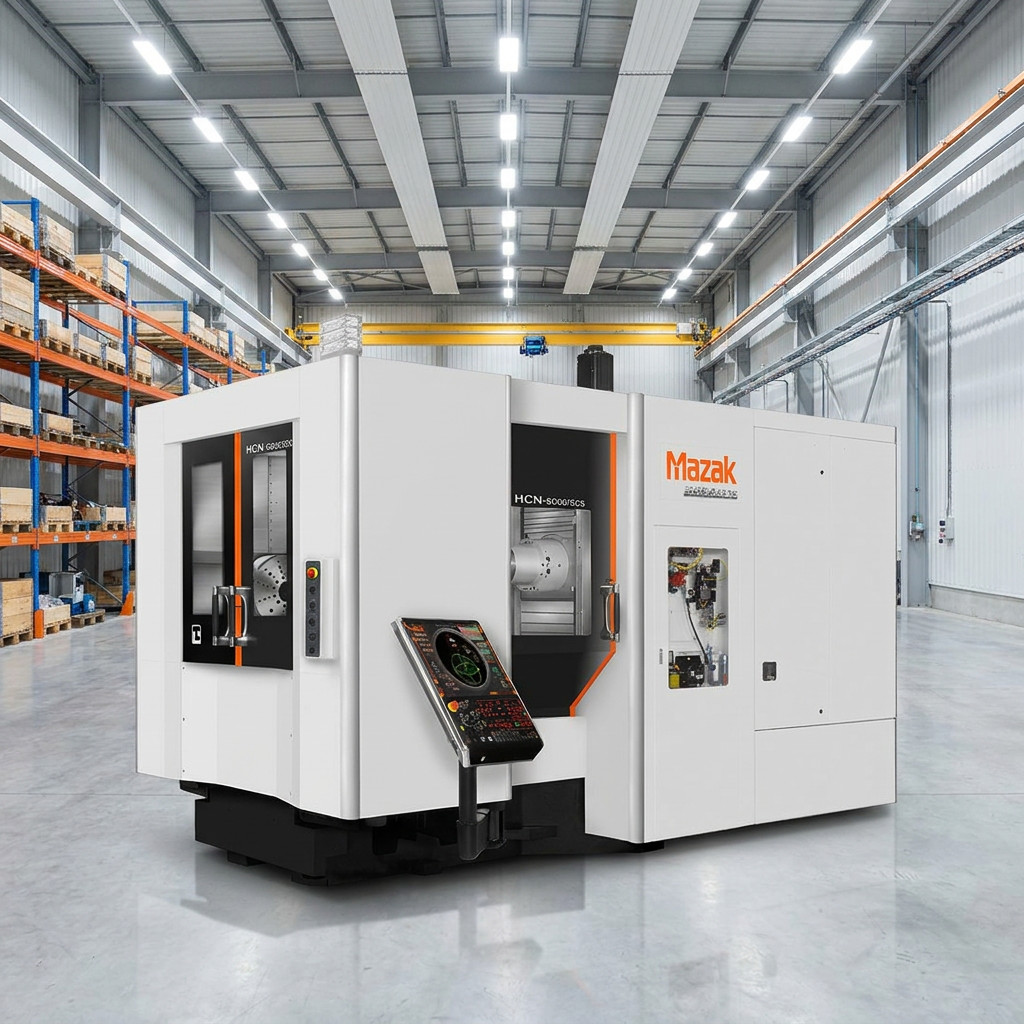

When a buyer asks about used Mazak HCN horizontal mills, I usually want to know one thing first: does the shop have work that will keep a horizontal busy?
That sounds basic, but it is where a lot of used HMC decisions go right or wrong. A horizontal machining center can be a strong production tool. It can also become a very expensive fixture rack if the shop does not have the work, tooling, people, and floor plan to use it.
I like Mazak HCN machines in the used market when the application is right. They were built for the kind of work many shops want more of: repeatable parts, better spindle utilization, pallet loading, and fewer open setups sitting around the floor.
I would not tell every shop to buy one. A good vertical machining center may still be the smarter move for simple plates, prototype work, changing one-off jobs, or a shop that is not ready to invest in horizontal fixtures.
Why shops still look for used Mazak HCN machines
Horizontal machining centers stay in demand because setup time eats capacity.
If an operator spends too much of the day indicating parts, changing setups, clearing chips, and waiting for the next job to be ready, the spindle is not doing the work that pays for the machine.
A Mazak HCN is built around a horizontal spindle and pallet-based production. Depending on the exact model and configuration, that may include two pallets, larger tool capacity, tombstone fixturing, through-spindle coolant, probes, chip management options, or connection to a broader automation setup.
The practical idea is simple. Load one pallet while the other is cutting. Put more work on each cycle. Reduce the number of times people touch the part. Keep the spindle cutting more of the day.
Mazak’s job shop application page talks about quality, shorter delivery times, lower cost, fewer man-hours, and flexible automation. That lines up with what I hear from smaller and mid-size shops trying to get more parts out the door without adding unlimited people.
There is also a market reason these machines stay interesting. Aerospace, defense, transportation, energy, and general metalworking suppliers still need reliable machining capacity. Premier covered broader demand in our article on reshoring and CNC machine demand in 2026. I would not buy an HMC because the market sounds busy. I would look harder at one if the quote activity includes repeat parts, part families, and tighter delivery expectations.
What an HCN gives you that a VMC does not
A vertical machining center is still the right machine for a lot of work. It is familiar, often easier to fixture, usually less expensive to buy, and simpler for newer operators to understand.
If the work is mostly flat plates, light milling, prototype blocks, or jobs where every setup is different, a VMC may be the better buy.
The HCN starts to make sense when setup compression matters. On a horizontal, a shop can often fixture multiple sides of a part, mount several parts on a tombstone, keep chips falling away from the cut, and stage the next pallet while the current one runs.
That is the value of a used CNC horizontal mill. Horsepower and travels matter, but the bigger question is how much finished work the shop can move through the same labor hour and the same square footage.
A horizontal can also free up vertical mills. I have seen shops look at an HMC because the VMC department is packed with repeat work that should not be tying up three or four separate setups. Moving the right jobs to a horizontal can clean up the whole floor.
HCN-4000, HCN-5000, and larger machines
When buyers ask about a Mazak HCN 4000 used machine or a Mazak HCN 5000 used machine, they are usually balancing part size, floor space, tooling, budget, and future work.
I do not like choosing a machine by model number alone. Start with part envelope, fixture height, weight, material, tolerance, tool length, reach, and how many operations you want to combine.
An HCN-4000-size machine can be attractive because it gives serious horizontal capacity without jumping into the footprint and cost of a larger platform. For brackets, valve bodies, manifolds, housings, and repeat production work, that class can be a good fit when the fixturing plan is real.
An HCN-5000-size machine gives more room for larger parts and fixtures, but it asks more from the shop. Think about pallet load, tombstone size, tool magazine capacity, coolant, chip handling, reach, staging, and floor movement.
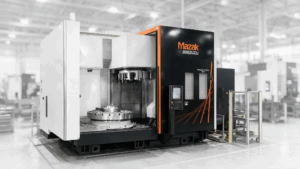
Larger HCN models can fit heavier components, larger castings, and production cells where the work will keep the machine fed. Bigger helps only when the parts require it.
Mazak’s mass production application material is a useful reminder that the machine is one piece of a production system. Tooling, fixtures, measuring equipment, software, material flow, and people all matter.
Pallets, tools, fixtures, and floor space
The biggest mistake I see with HMC buyers is underestimating everything around the machine.
A pallet pool HMC, or even a two-pallet horizontal, is a scheduling and fixturing decision as much as a spindle purchase. Pallets help when jobs are ready to load. They do not fix missing material, missing tools, late inspection feedback, or a program that is not proven out.
Tool capacity matters for the same reason. A horizontal that runs several part numbers or multi-operation jobs needs enough tools to avoid constant magazine changes. Before buying, look at the real tool list: roughers, finishers, drills, taps, probes, redundant tools, long-reach tools, and material-specific tooling.
Fixturing is where the return on investment gets built or lost. Tombstones, subplates, vises, custom fixtures, clamping, repeatability, and access for inspection need attention. A used HCN can be a good buy, but the total project may not be cheap once the workholding is included.
Floor space is another practical issue. The machine footprint is only part of it. A shop needs room for chip handling, coolant maintenance, electrical access, pallets, fixtures, carts, raw stock, finished parts, and safe operator movement. Do not assume the machine fits because the base dimensions fit on paper.
What to check before buying a used HMC
Used horizontal machining centers should be evaluated as individual machines. No two used HCNs are identical, even when the model number matches.
I would review:
- control type, software options, and team comfort with the interface;
- spindle hours when available, cutting history, and materials run;
- pallet changer operation, indexing, clamping, and repeatability indicators;
- tool changer condition, magazine capacity, and signs of crashes or alignment problems;
- spindle condition, taper condition, noise, thermal behavior, and maintenance records when available;
- way covers, chip conveyor, coolant system, through-spindle coolant, probes, and auxiliary equipment;
- manuals, parameters, options, and included tooling or fixtures;
- electrical requirements, air requirements, and rigging plan.
Published specs and photos are a starting point. Buyers should verify the details of the actual machine being considered. Availability, included accessories, condition, pricing, shipment timing, and configuration can change.
Where used Mazak HCN machines fit today
Used Mazak HCN machines keep coming up because shops want more output without adding endless people or floor space. A horizontal, used correctly, can help a shop run repeat work more consistently and reduce the number of open setups on the floor.
Mazak’s NEO Series article shows Mazak continuing to develop the HCN platform, including HCN NEO models. New-machine development does not make older HCN machines irrelevant. For many shops, it reinforces why the platform still matters, especially when new equipment pricing or lead time is hard to justify.
The used-market question is still practical: can this machine make your shop better with the work you already have or can reasonably win?
If you can keep pallets loaded, standardize fixtures, maintain tooling discipline, schedule repeat parts, and inspect the added output, a used HCN can be a strong production asset. If the work is mostly one-off, another VMC, a 5-axis machine, or a different used machining center may fit better.
Can a smaller shop justify one?
Yes, but the answer has to come from the work.
A shop with 10 to 50 people can justify a used horizontal machining center when the owner or operations manager can answer a few hard questions:
- What jobs will run on it in the first 90 days?
- Which fixtures or tombstones need to be ready before the machine arrives?
- Who will program it, prove out jobs, and own the process?
- How many hours per week can the spindle realistically cut?
- Will it reduce setups, shorten lead times, or free up VMC capacity?
- Is inspection capacity ready for the output?
If those answers are vague, I would slow down. A used HMC sitting idle does not improve ROI.
If the answers are clear, a Mazak HCN can help a smaller shop move into more repeatable production without buying a brand-new cell.
Browse current used Mazak horizontal mills
Premier Equipment works with Mazak buyers and sellers, and our inventory changes as machines are sold and new machines come in. You can browse Premier’s Mazak used CNC machine listings or check current used CNC horizontal mills to see whether an HCN, FH, or another used horizontal machining center is available.
If you are comparing a used Mazak HCN against another horizontal, call Premier Equipment at [(407) 786-2000](tel:4077862000) or email [quotes@premierequipment.com](mailto:quotes@premierequipment.com). We can talk through the machine configuration, your application, and the practical questions that determine whether it fits your shop.
Frequently Asked Questions
Is a used Mazak HCN horizontal mill better than a VMC?
A used Mazak HCN horizontal mill is usually stronger for repeat production, multi-sided machining, tombstone work, pallet loading, and reducing setup time. A VMC may still be the better choice for simple parts, prototype work, lower budgets, changing one-off jobs, or work that does not justify horizontal fixturing.
What should I check before buying a Mazak HCN 4000 or HCN 5000 used?
Check the machine configuration, control, spindle condition, pallet changer, tool magazine, coolant system, chip handling, options, maintenance history when available, included accessories, voltage, manuals, and utilities. Also confirm your part size, fixture plan, tooling needs, floor space, rigging plan, and whether the machine can realistically stay loaded with paying work.
When does a pallet pool HMC make sense?
A pallet pool HMC makes sense when the shop has enough repeat work, fixtures, tooling, programs, and scheduling discipline to keep multiple pallets ready. If jobs are not staged, material is not available, or inspection cannot keep up, a pallet pool can add cost and complexity without improving spindle utilization.