
what used CNC buyers should compare before buying
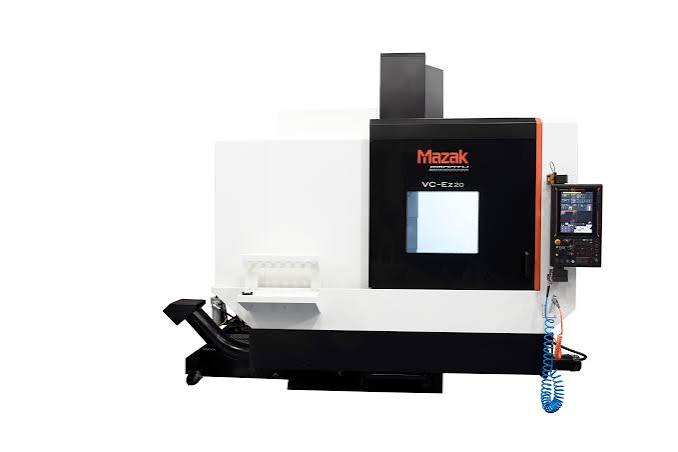
Mazak plans to bring the VC-Ez 20 Vertical Machining Center to IMTS 2026, according to Industrial Machinery Digest. For shops looking at vertical machining centers, that news is worth a look because it lays out the same questions buyers should ask before putting money into any VMC: spindle, travels, tool capacity, floor space, controls, automation support, and the type of work the machine needs to run every day.
That does not mean every shop needs to wait for a new VC-Ez 20. A used Mazak vertical mill may be the better fit if the machine matches the work, the condition checks out, and the numbers make sense. The right answer depends on the parts you are cutting, the people who will run the machine, and how fast you need capacity on the floor.
Premier Equipment keeps a changing inventory of used Mazak CNC mills and used CNC vertical machining centers, so the better move is to compare the new VC-Ez 20 specs against machines that are already available to quote.
What the VC-Ez 20 tells buyers to pay attention to
The Industrial Machinery Digest article says the VC-Ez 20 is a Kentucky designed and built vertical machining center aimed at shops that need more than a commodity machine while keeping operation simple. Reported standard specs include a 40 taper spindle, 12,000 rpm, 18 kW or 25 hp spindle power, and a 30 tool magazine. Optional items include a 15,000 rpm spindle, higher spindle power, and a 50 tool magazine.
For a buyer, those numbers are useful because they turn the conversation into a checklist instead of a brand opinion.
- Is 12,000 rpm enough for the material and tooling you run most often?
- Do you need more tool capacity, or is a 24 to 30 tool setup enough for your current mix?
- Will the machine handle your heaviest parts with room for fixtures?
- Does the control match your team’s programming habits?
- Do you need automation readiness now, or are you buying for a manual loading workflow?
- Is floor space tight enough that machine footprint needs to be part of the purchase decision?
Used Mazak models Premier buyers may want to compare
Premier’s current Mazak inventory includes several used vertical machining centers that answer different shop needs. Specs on used listings are subject to buyer verification, which is exactly how a serious used CNC purchase should be handled.
| Used Mazak model | Good fit when | Spec points to compare | Buyer note |
| Mazak Nexus 510C-II, 2008 | You want a common 40 taper Mazak VMC with travels close to the VC-Ez 20 class. | 41.3 inch X, 20.08 inch Y, 20.08 inch Z, 12,000 rpm, 30 tools, CAT 40, Mazatrol Matrix Nexus. | This is one of the cleaner comparison points for buyers looking at a standard 3 axis Mazak VMC before pricing new. |
| Mazak VTC-200C, 2013 | You need more X travel for longer parts, fixtures, or partitioned work. | 65.35 inch X, 20.08 inch Y, 20.08 inch Z, 78.74 inch by 20.08 inch table, 12,000 rpm, 24 tools, Mazatrol Fusion 640MN. | A longer table can matter more than the newest control if your workholding needs room. |
| Mazak Nexus 530C-II TT, 2014 | You want table flexibility and a way to handle two setups or a larger combined work area. | Twin table option, 51.1 inch by 21.6 inch combined table, 12,000 rpm, 30 tools, CAT 40, Mazatrol Matrix Nexus 2. | Worth comparing when setup time is the bottleneck and the shop wants more practical flexibility from one VMC. |
| Mazak VC-500A/5X 2-Pallet, 2018 | You need 5-axis capability, two pallets, and a faster spindle for complex work. | 20,000 rpm, 60 tools, HSK 40, Mazatrol Smooth X, dual probing kit, factory auto 2 pallet changer. | This is not the same buying lane as a basic 3 axis VMC. Compare it when the part work justifies 5-axis and pallet capability. |
How I would frame the buyer decision
A new VC-Ez 20 is an interesting benchmark because it speaks to what many shops want right now: dependable cutting performance, approachable controls, a reasonable footprint, and room to add automation later. That is the right conversation.
The used-machine question is different. A used Mazak VMC should be judged by the work it can do today, the condition of the machine, the cost to get it on the floor, and whether the available specs solve the shop’s real constraint.
- If floor space is tight, compare footprint and service clearance before getting stuck on spindle rpm.
- If staffing is stretched, look closely at the control, probing, tool measurement, chip handling, and how easy the machine will be for your team to run consistently.
- If long parts are common, a VTC style machine may be more useful than a compact VMC with newer talking points.
- If setup time is killing throughput, twin table, pallet, probing, and fixture options may matter more than year alone.
- If cash flow matters, compare the full landed cost of used equipment, including shipping, rigging, tooling, and financing.
Premier can also help buyers look at used CNC financing options when a machine fits the work but the shop wants to protect cash for tooling, labor, or installation.
What to verify before quoting a used Mazak VMC
- Confirm the travels, table size, spindle taper, spindle speed, tool capacity, and control.
- Ask for equipped options that affect daily use, such as thru spindle coolant, probing, chip conveyor, rotary table, pallet system, or tool length measurement.
- Match the machine to your fixtures, heaviest parts, materials, and current bottlenecks.
- Check whether the machine is a simple 3 axis fit, a longer travel fit, a twin table fit, or a true 5-axis fit.
- Review shipping, rigging, electrical, air, coolant, tooling, and floor space before you compare price alone.
The VC-Ez 20 announcement gives buyers a helpful spec reference. The actual purchase still comes down to the machine that fits the work. Browse Premier’s used Mazak CNC machine inventory, compare current listings, and talk with a CNC expert before you quote.
For immediate help, contact Premier Equipment at (407) 786-2000 or email quotes@premierequipment.com.