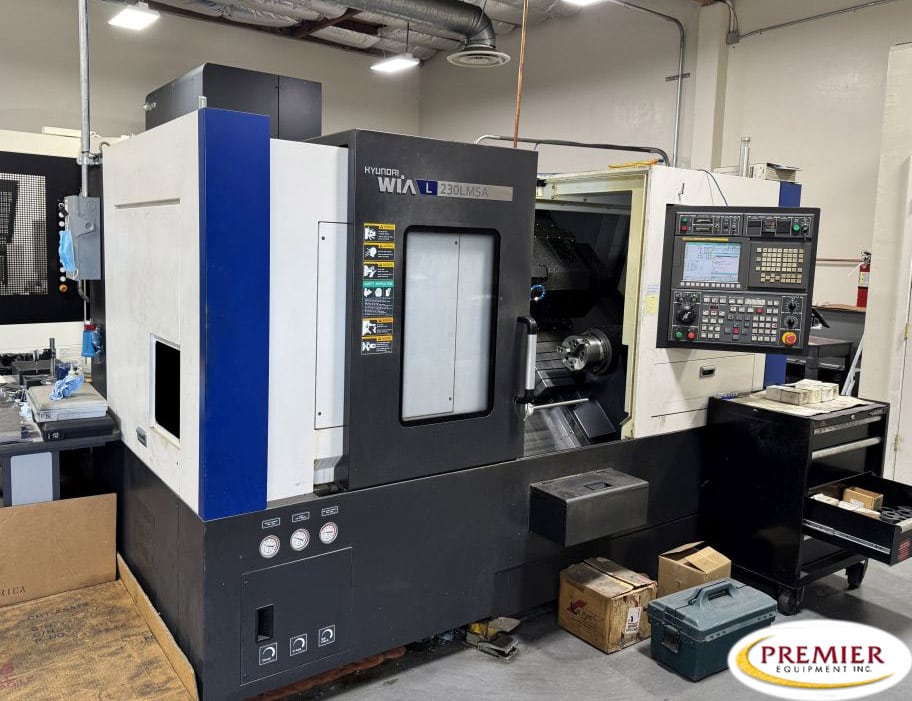
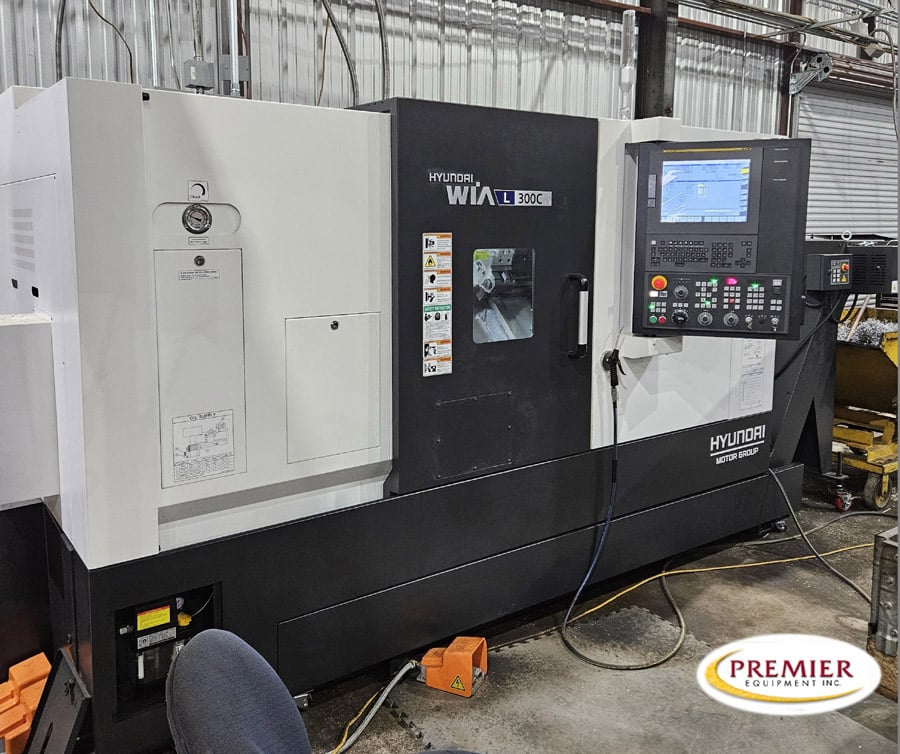
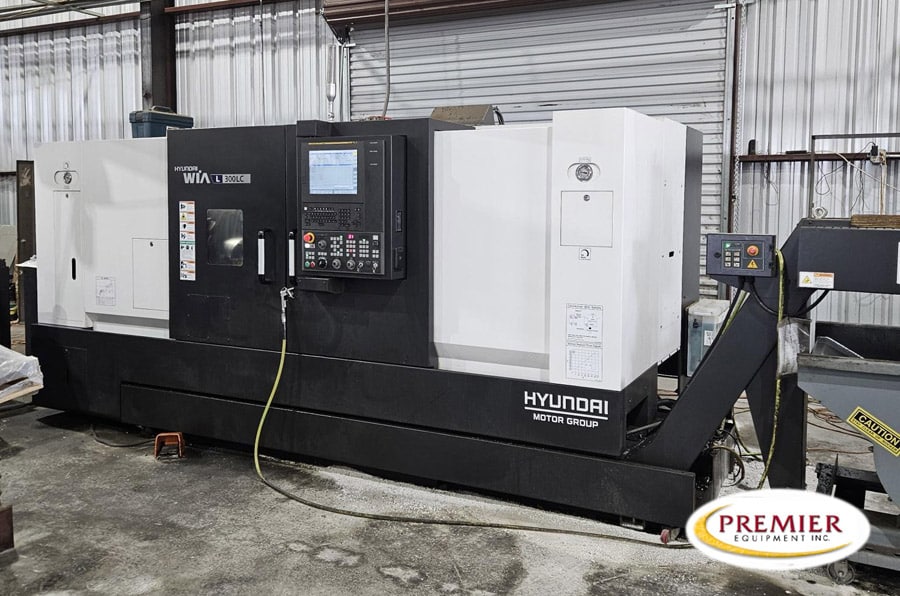
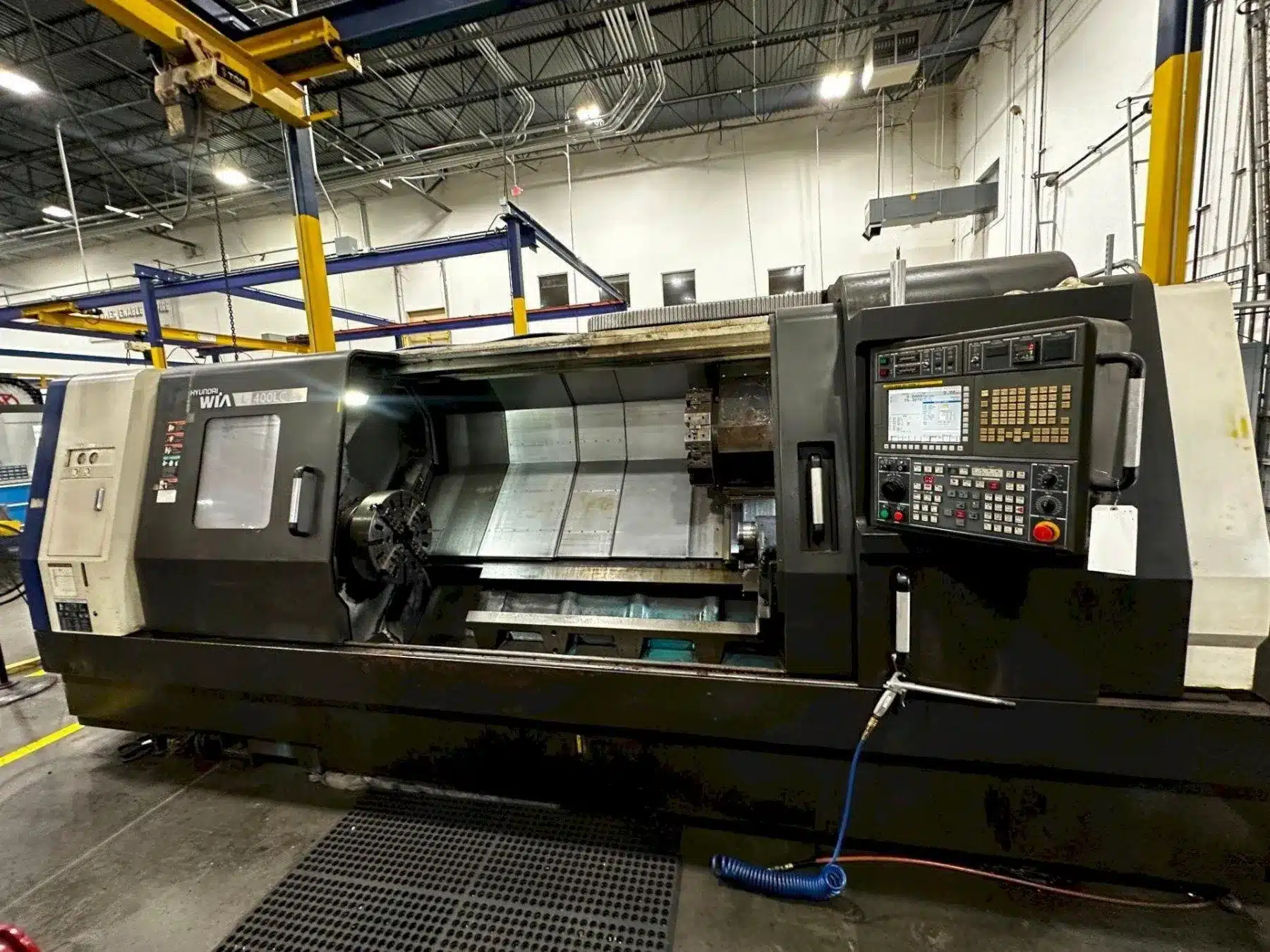
The Used CNC Lathe Dealer Since 1988
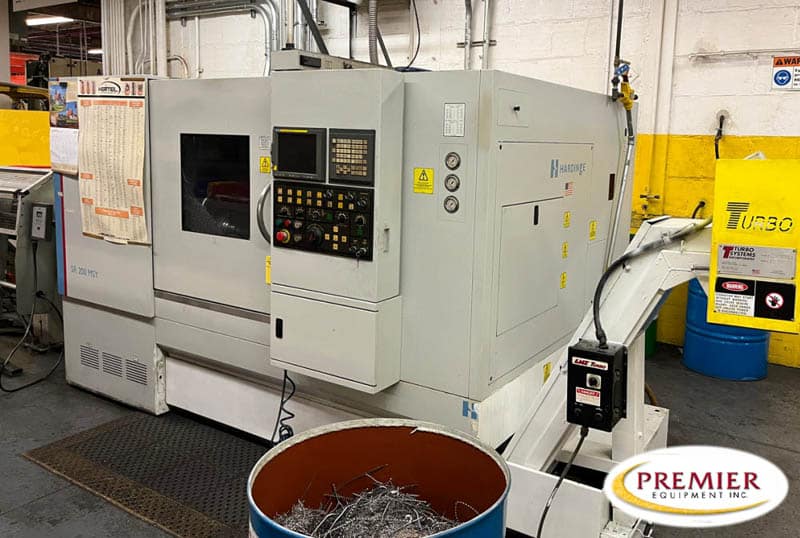
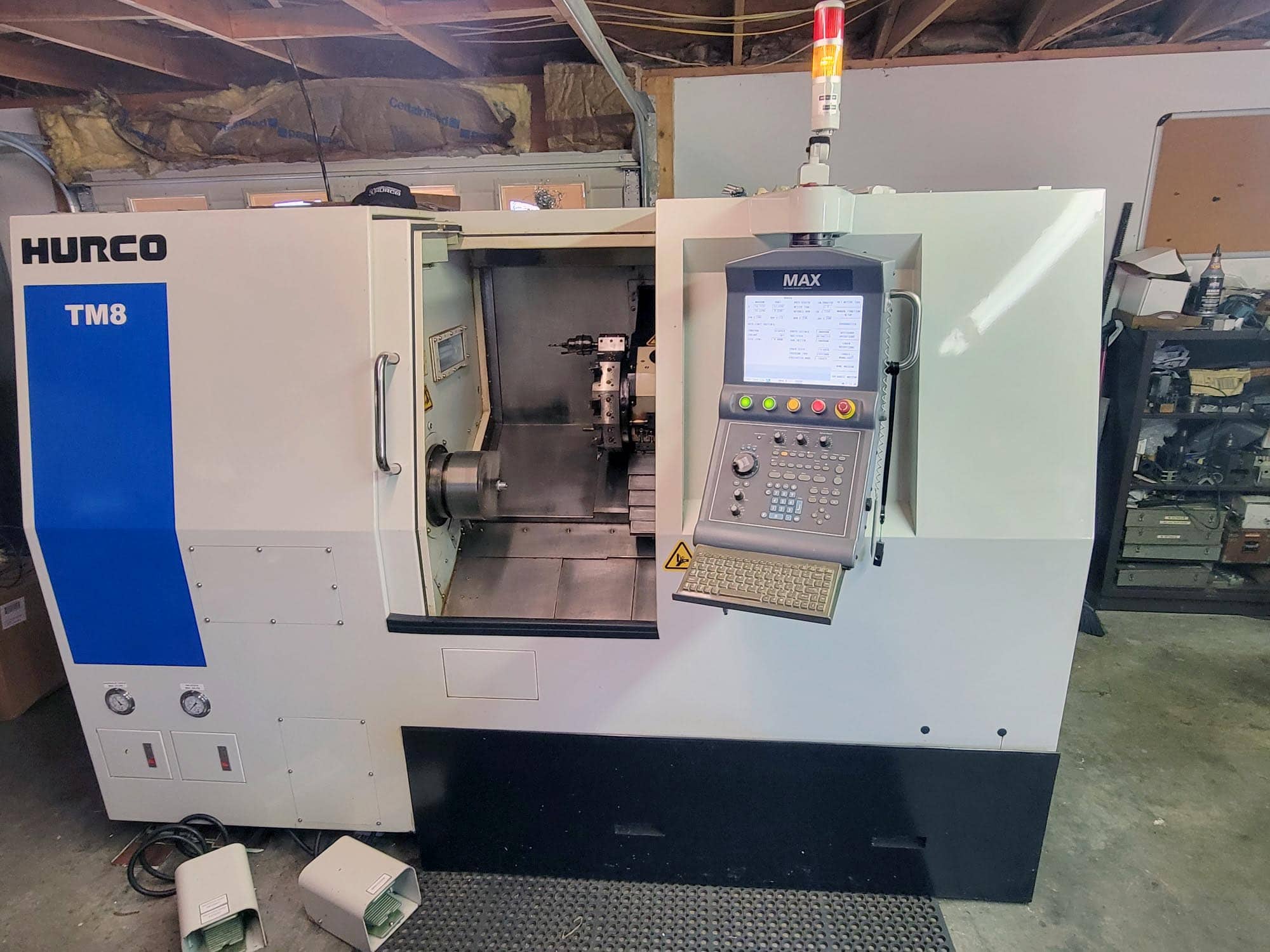
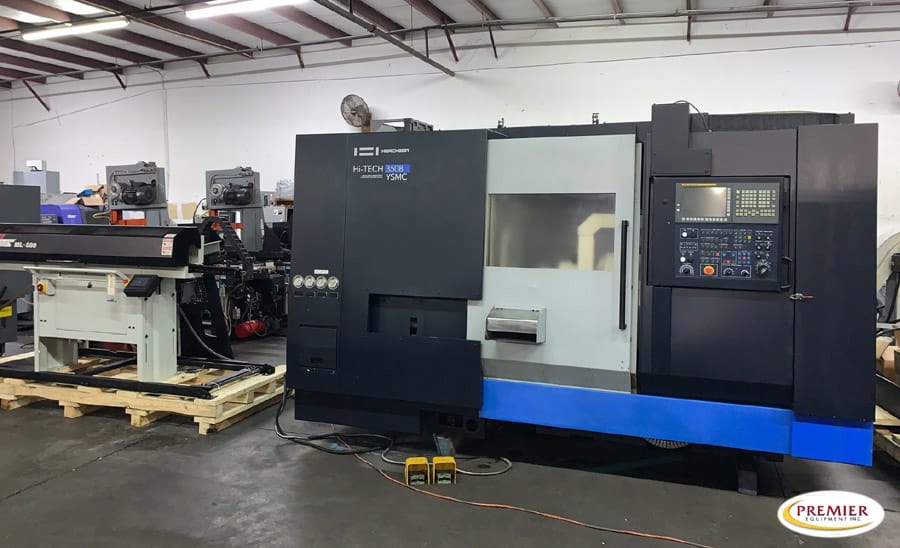
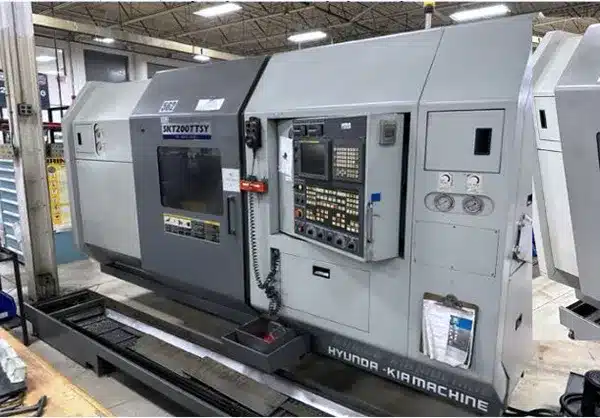
We are one of the most reliable and first used CNC dealers in the US since 1988. Our mission is not to just sell you the first used CNC lathe we have — it's to help you get the right equipment at the best price.
We stock machines in a 50,000 sq ft warehouse in Altamonte Springs, Florida. Ready to ship lathes nationwide.
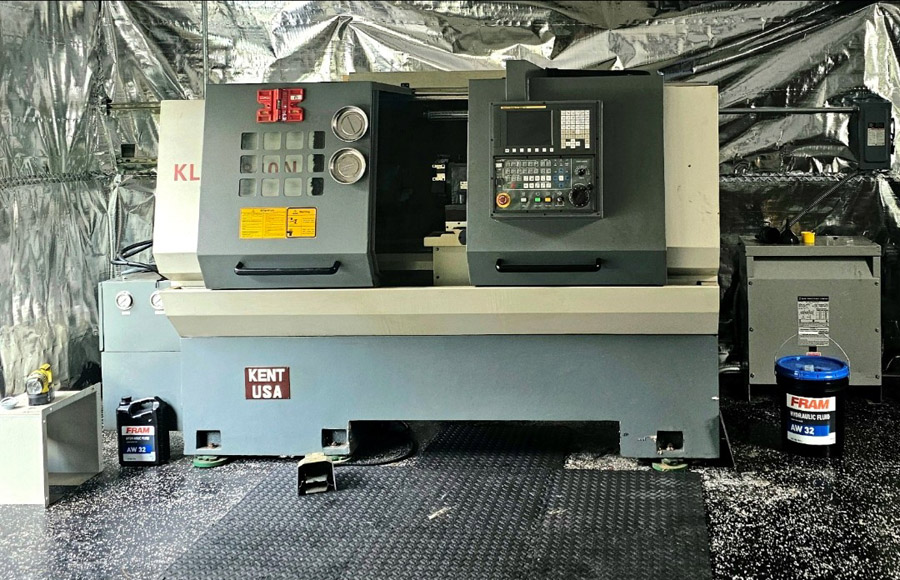
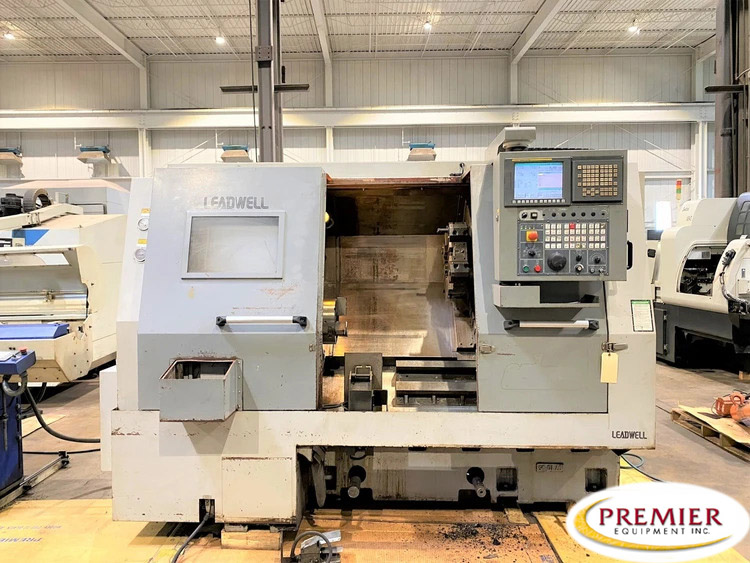
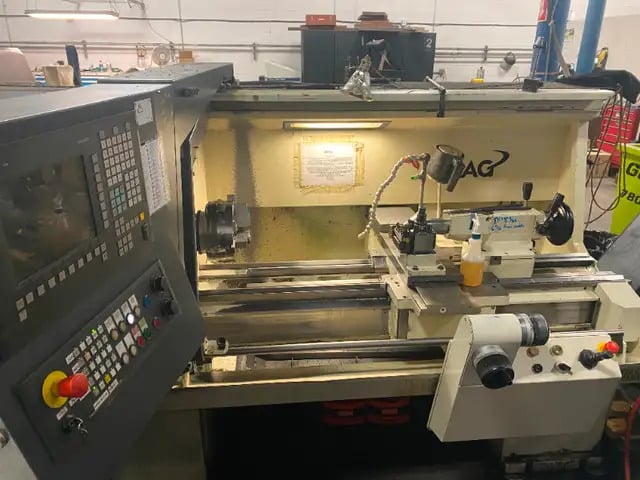
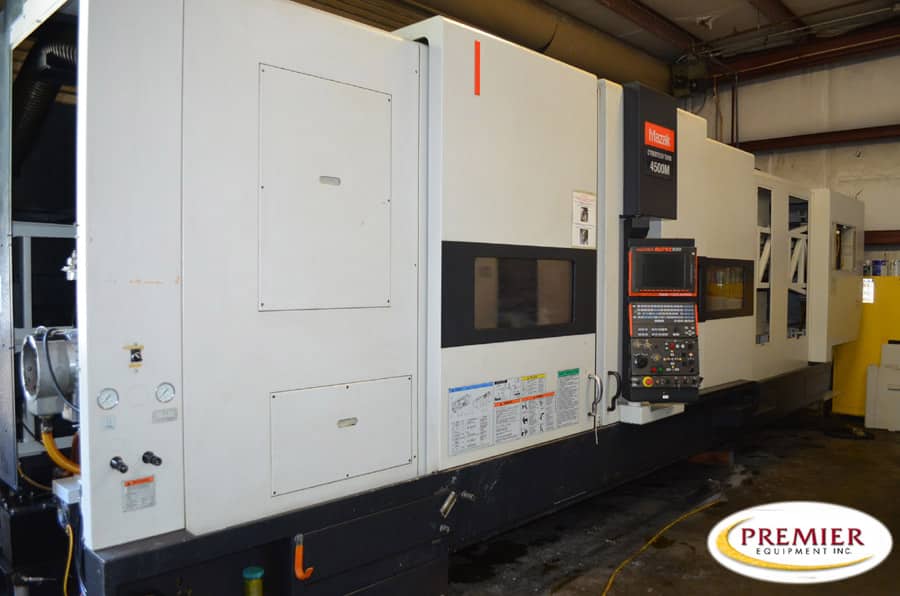
We update our list of used CNC turning machines every day, so manufacturers and machine shops have many choices. You can save money by buying a used lathe and get the same performance as a brand-new one.
Types of CNC Lathes We Carry
The purpose of Swiss CNC lathes is to quickly make small, accurate parts. Swiss CNC lathes, for instance, are used to make watch parts, medical parts, and other things that need to be made quickly and accurately. You can get very precise results even on long, thin parts that would bend on a regular lathe because they have a guide plate that holds the material in place while it is being cut. They are often used for large production runs because the cycle times are short. Citizen and Tsugami are two of the most famous names in this area.
2-Axis CNC Lathes
A 2-axis CNC lathe moves tools in two dimensions using X and Z axes to control the position of the workpiece and its length. The fundamental machines deliver part production by performing basic turning, facing, and threading operations. The 2-axis CNC lathe operates with durability and precision on basic turning functions while maintaining a lower pricing point for conventional manufacturing needs.
3-Axis Lathes and CNC Turning Centers
The 3-axis CNC lathe system executes basic machining functions by moving along the X, Y, and Z axes to produce accurate turning and facing processes and contouring capabilities. These CNC lathe machines use a main spindle to rotate workpieces while tool turrets traverse three linear axes to produce cylindrical parts that incorporate features such as threads, tapers, and precise dimensions.
4-Axis Lathes
A 4-axis CNC lathe can perform all the functions of a regular lathe can do, but it also has a Y-axis. You can mill, drill, and shape the part without having to transfer it to another machine. You can drill holes at an angle, on curved surfaces, and on features that aren't in the middle with that extra axis. A 4-axis lathe can save you time and help you maintain higher standards higher because you don't have to fix the part in place again when you make complicated parts that would normally need multiple processes on different machines.
5-Axis Lathes
The
5-axis CNC lathe presents the most advanced turning functionality through its combination of three linear axes (X, Y, Z) and two rotational axes (B, C) for complex machining operations. The advanced setup allows the production of complex contours, undercuts, and angled features during a single operation. B-axis tool carrier tilting and C-axis rotation make these machines suitable for aerospace, medical, and precision engineering applications that require superior finishes and tight tolerances.
CNC Lathe Brands and Models
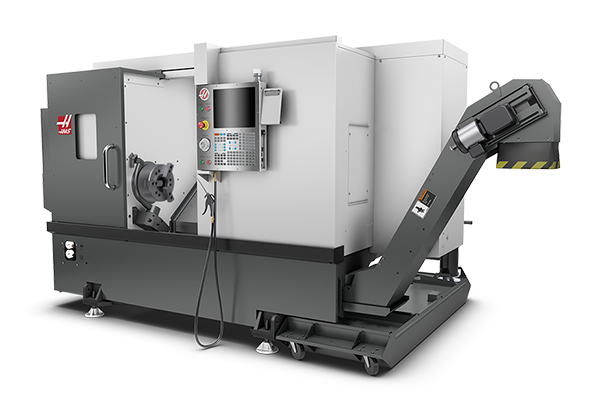
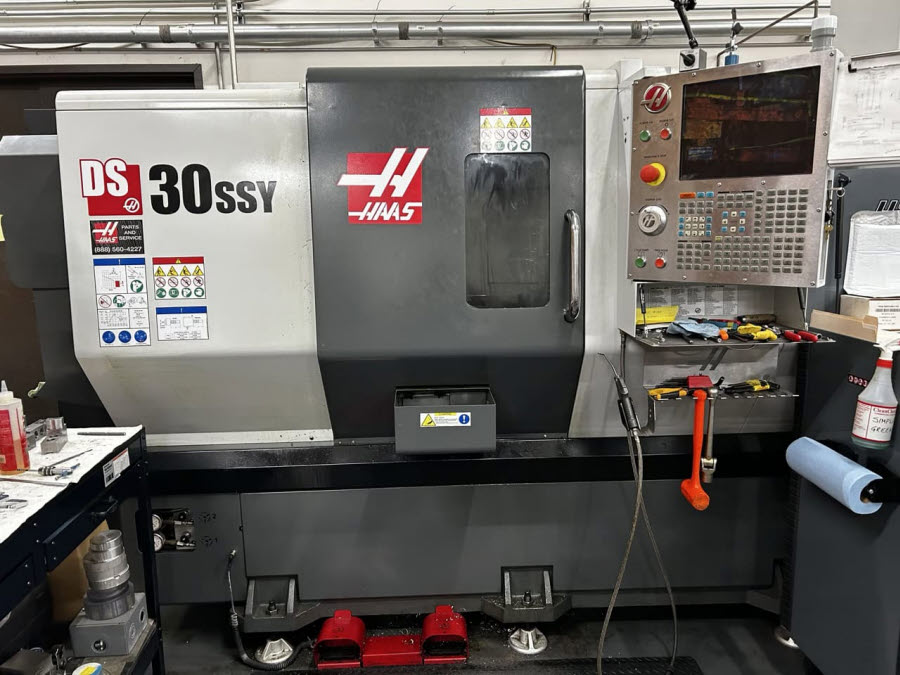
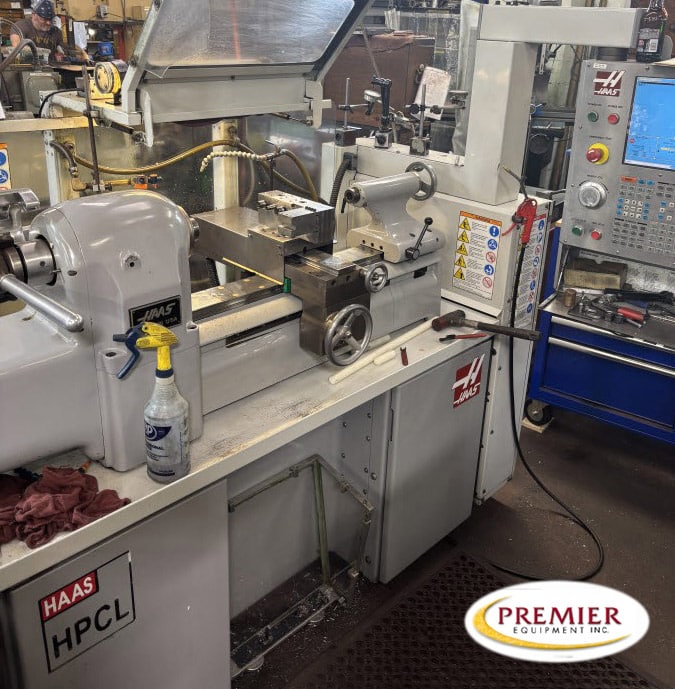
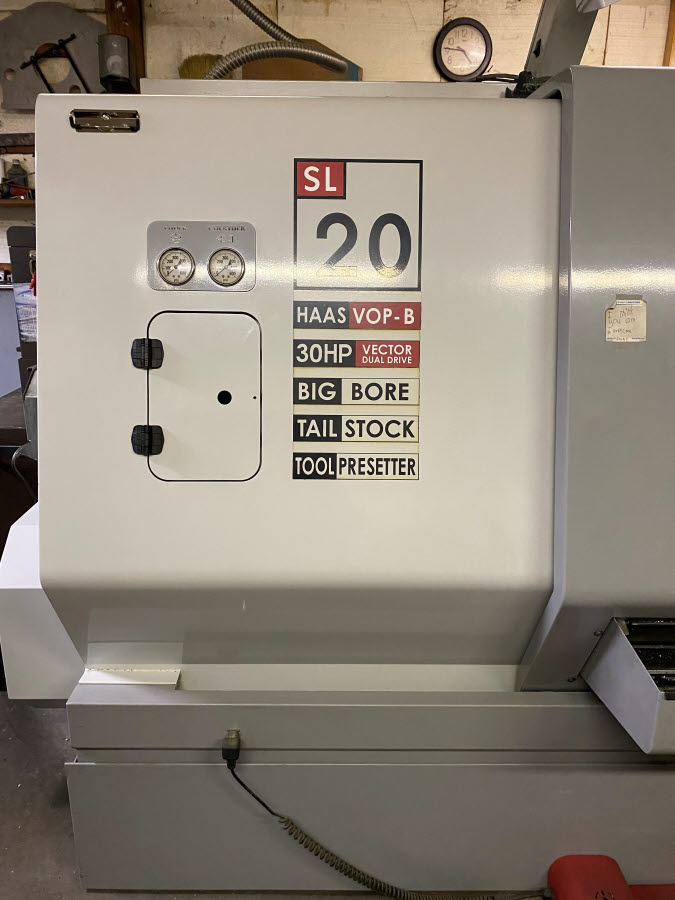
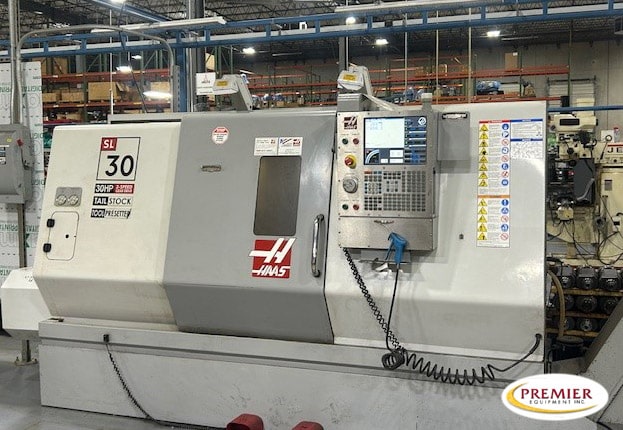
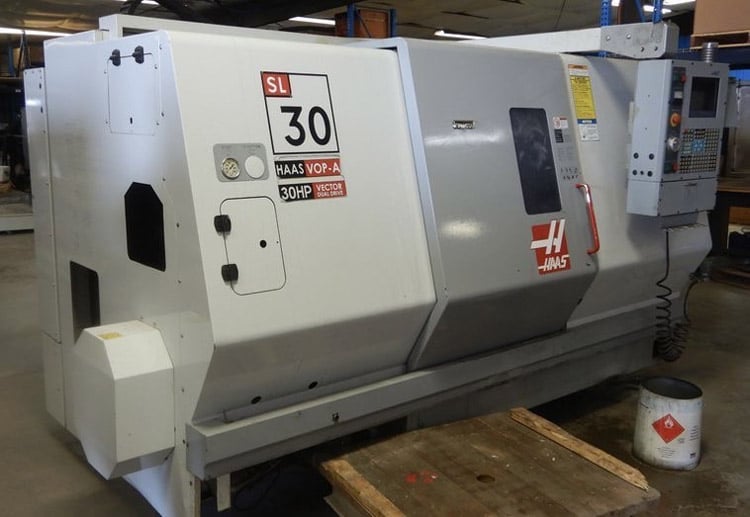
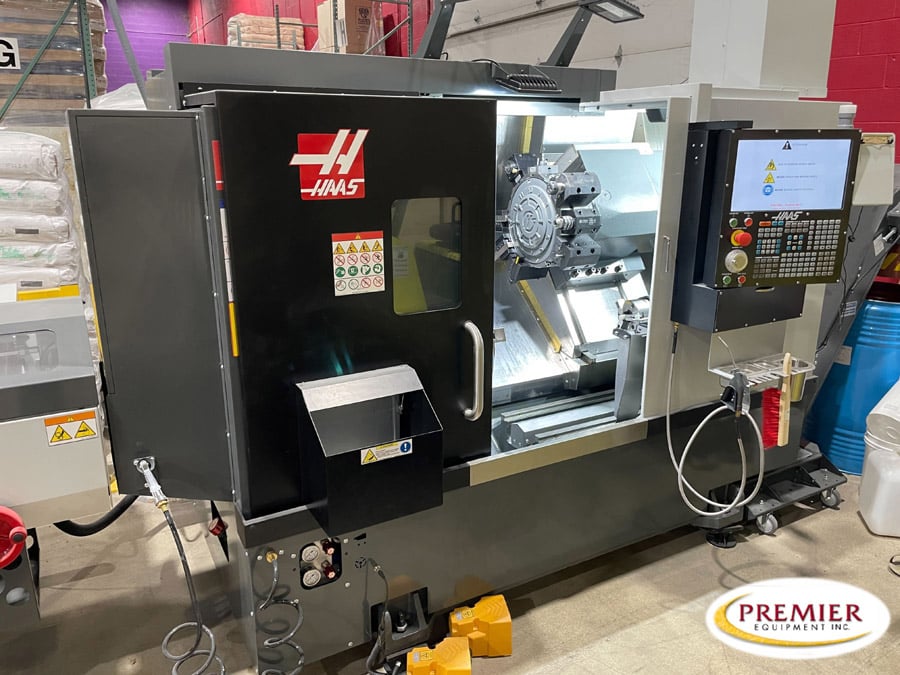
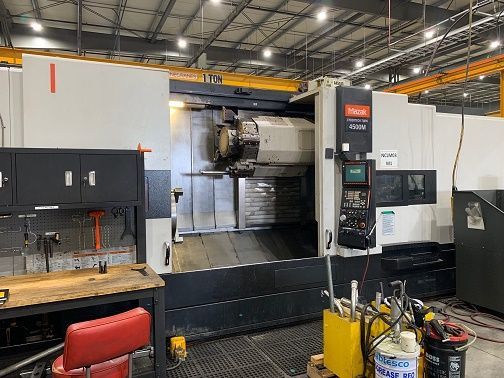
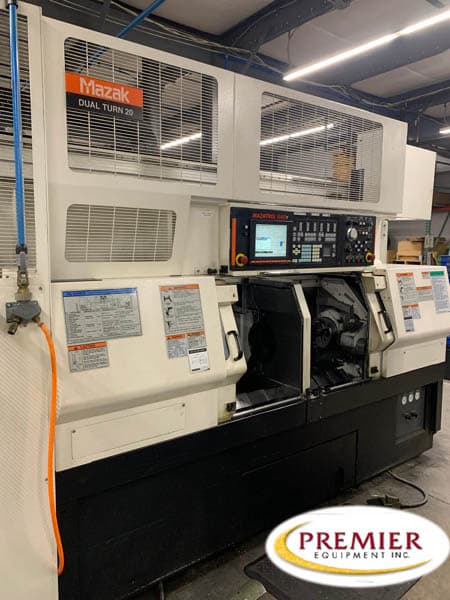
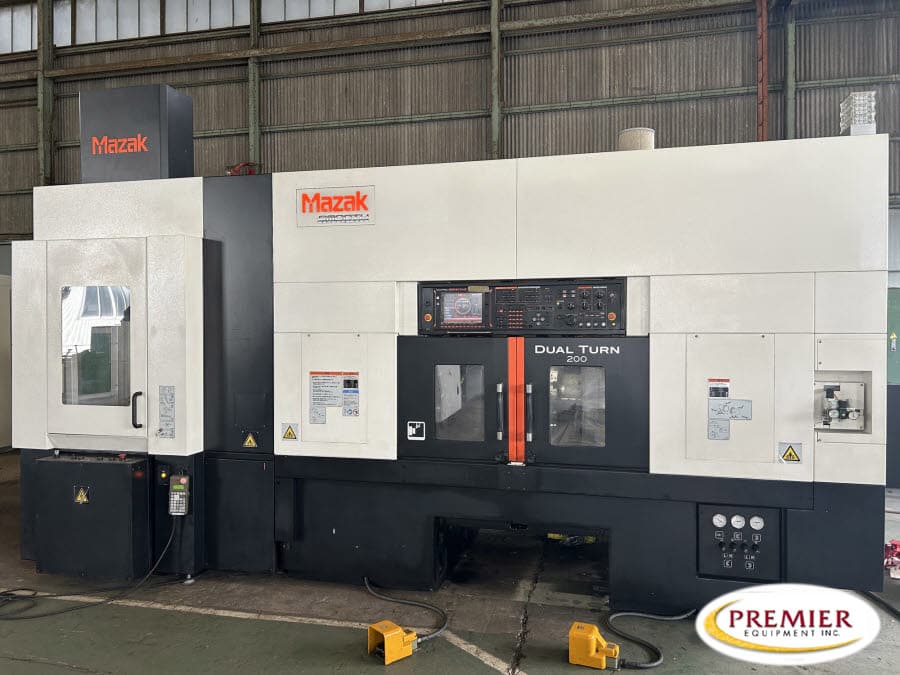
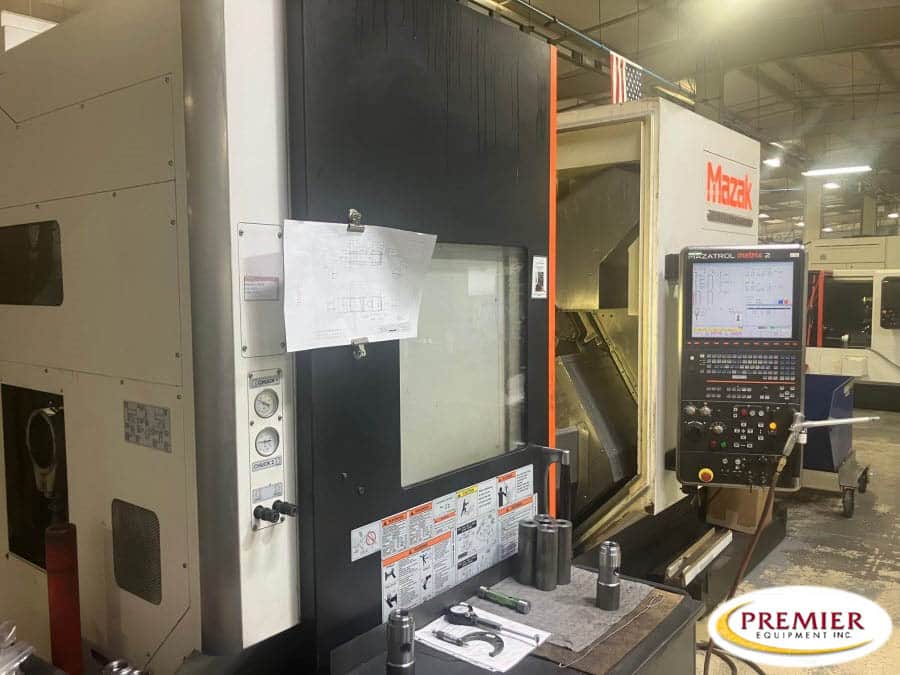
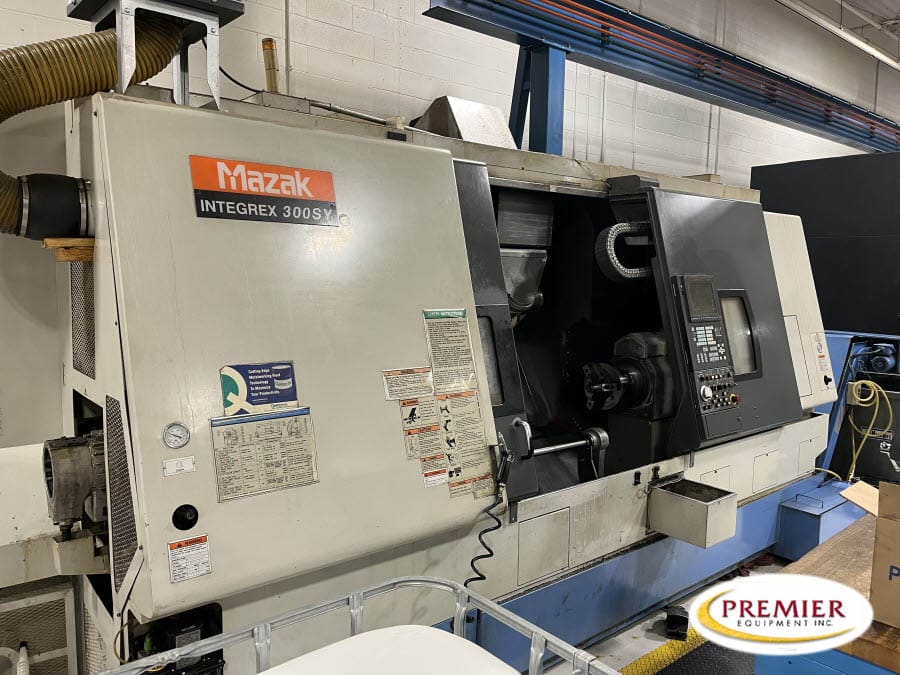
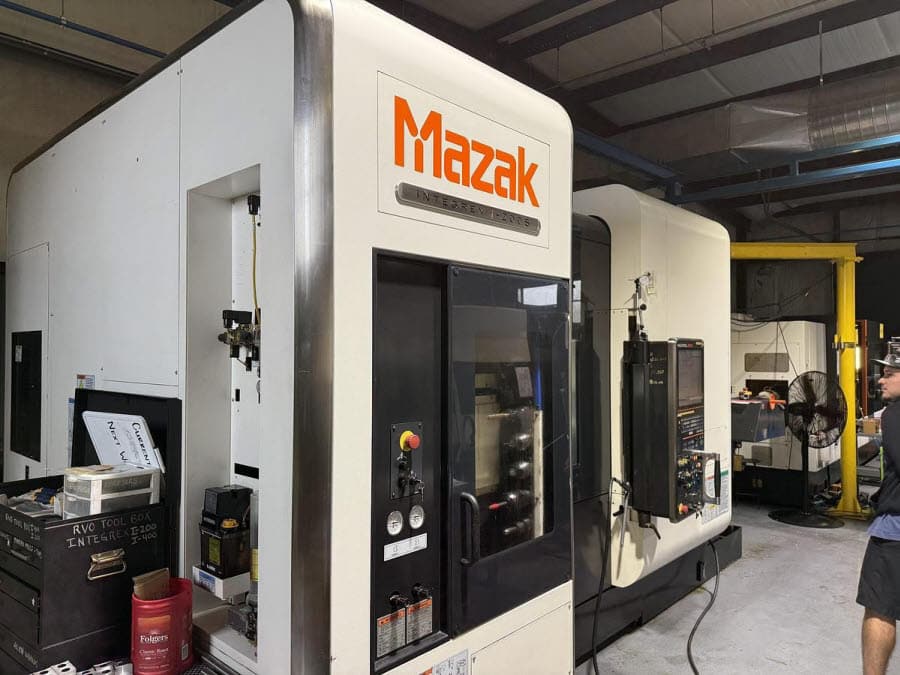
From small job shops to large production floors with numerous lathes, CNC lathes are available in various types, sizes, and price ranges to meet a range of needs. We currently carry machines from Okuma, Mazak, and Haas. These brands enjoy high regard due to their reliable performance and robust technology in real-world shop environments.
Below is a list of popular CNC lathe brands:
| Brand |
Model Series |
Description |
| Mazak |
QT-Primos Series |
Entry-level and easy-to-use turning center designed for shops that require a reliable lathe that is compact and affordable. |
|
Quick Turn Series |
2-axis turning centers built for everyday production work |
|
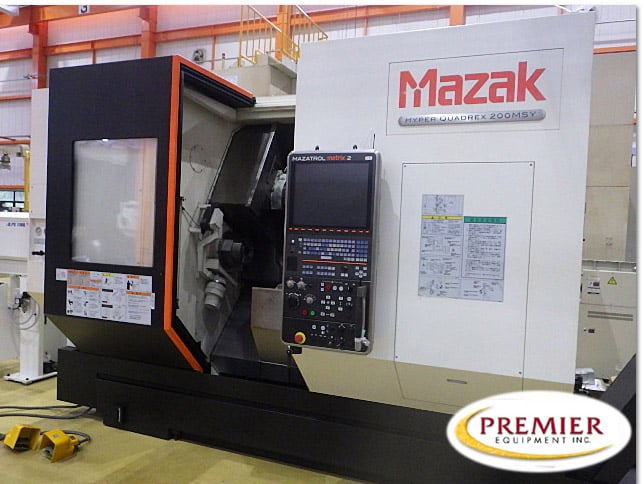
Hyper Quadrex Series |
Dual-spindle, dual-turret turning center that lets you machine both ends of a part simultaneously |
|
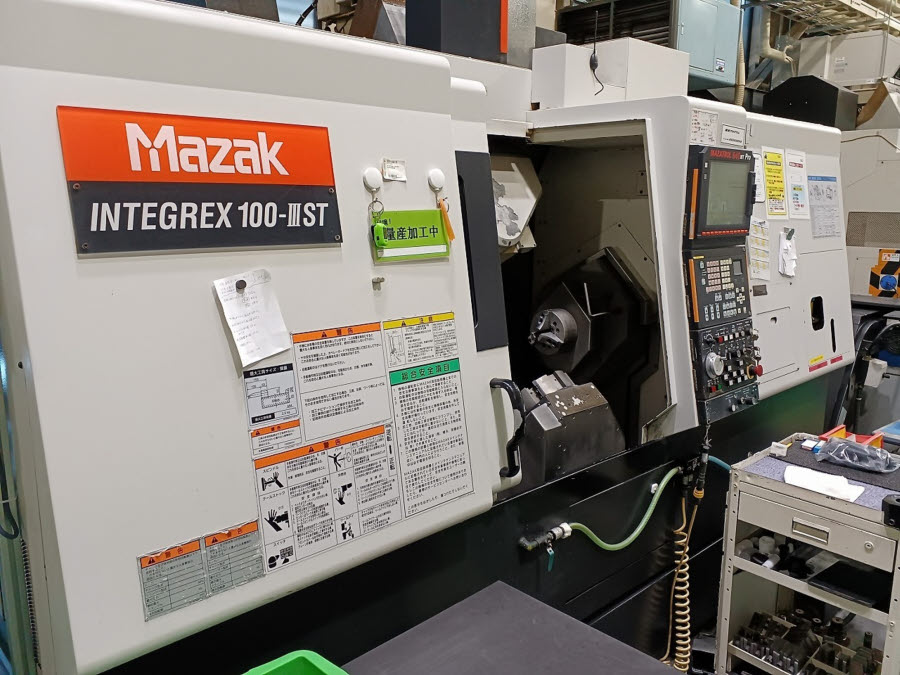
Integrex Series |
A Multi axis lathe series that includes complex contoured and off-center features |
| Haas |
ST Series |
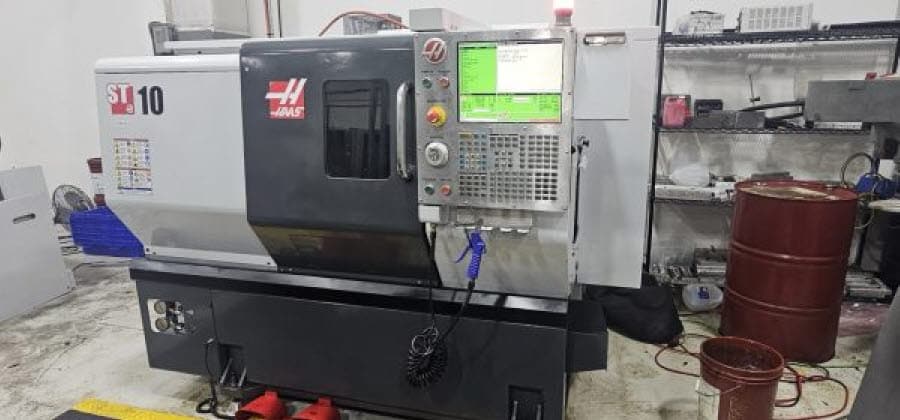
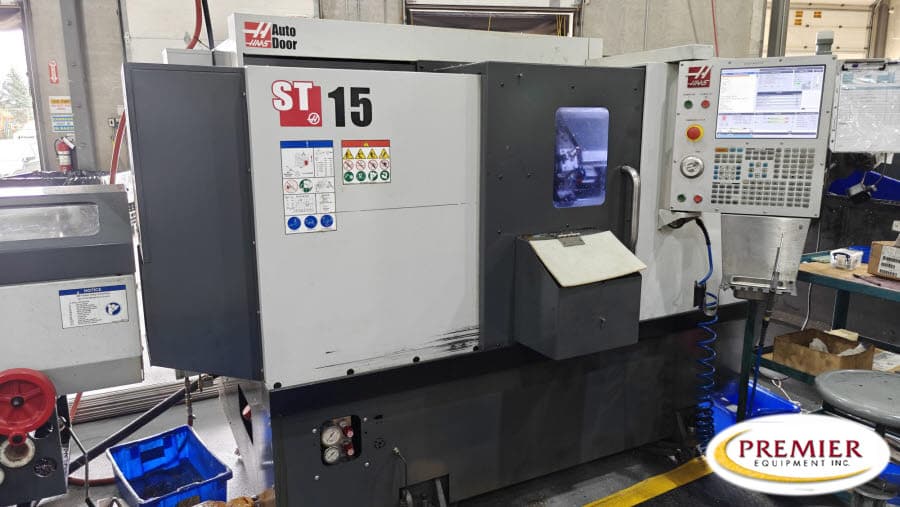
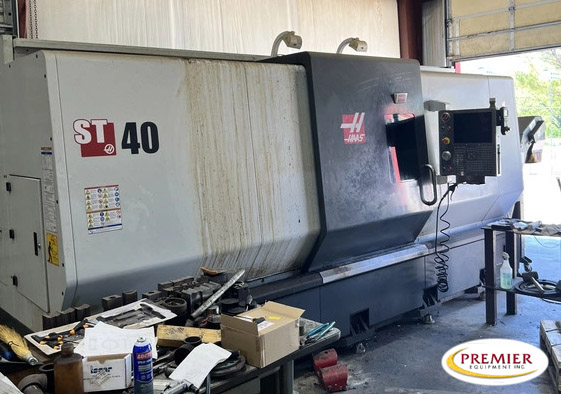
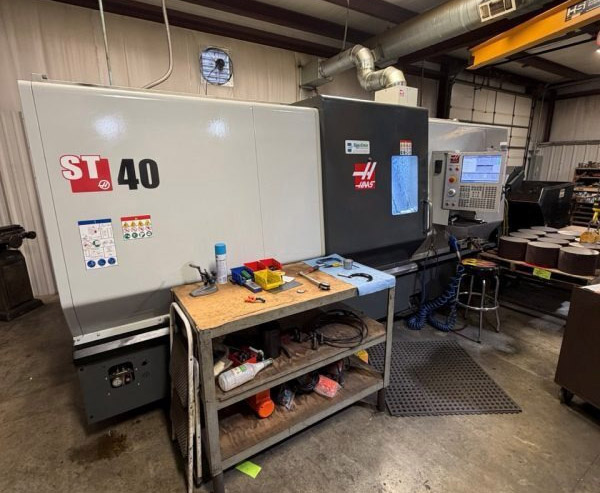
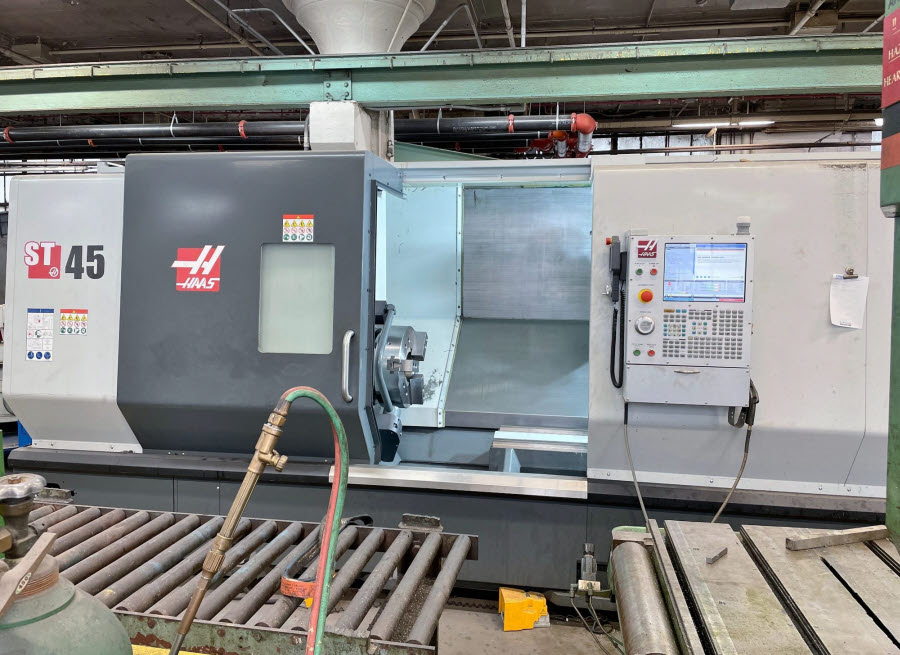
Popular entry-level CNC lathe for smaller shops and a solid production workhorse for larger ones. |
|
DS Series |
Dual-spindle lathes designed to pass parts from the main spindle to the sub-spindle automatically, letting you machine both ends. |
|
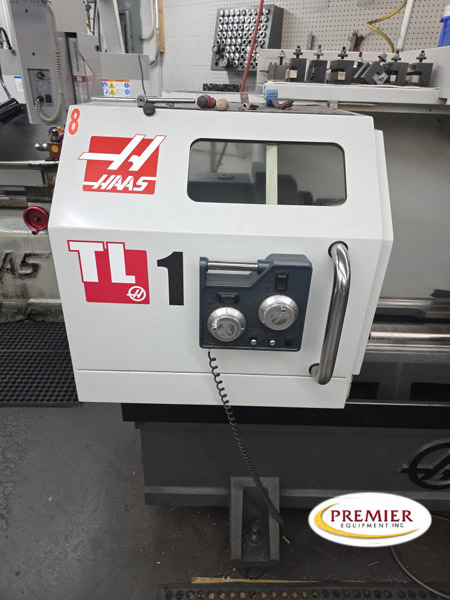
TL Series |
Toolroom lathe that bridges the gap between manual and CNC turning |
| DMG Mori |
NLX Series |
High-precision turning and milling in a single setup. |
|
CLX Series |
Takes up little space and easier to use then the other DMG Mori lathes. |
|
CTX Series |
Multi-axis CNC lathe with live tooling and sub-spindle capability |
| Okuma |
LB EX Series |
Highly rigid CNC lathes designed for heavy-duty cutting. |
|
GENOS L Series |
Affordable lathe for standard lathe cutting, Ideal for Small to medium sized shops. |
|
MULTUS Series |
Turning and milling CNC machine that can make complex parts in one single setup. |
| Doosan |
Lynx Series |
Smaller high-speed turning center for smaller to medium sized parts. |
|
Puma Series |
Heavy-duty CNC lathe built for strong rigidity |
|
TT Series |
A twin-spindle, twin-turret turning center built for high-volume production |
Discover Your Ideal Lathe
We offer a variety of used CNC lathes, ranging from simple 2-axis turning centers to advanced 5-axis setups with live tools and sub-spindles. Whether you need a machine for basic turning work or for cutting complex parts, we have the right option for you.
| Feature |
Description |
| RPM (Rotational Speed) |
Your cutting efficiency depends on RPM (Rotational Speed) as this parameter shapes both your end product quality and total performance outcome. |
| Tailstock |
The tool extends workpiece length support so operations remain stable. |
| Sub Spindle |
The Sub Spindle enables additional processing functions directly on the same component through a single setup without requiring any part movements and suits complex and difficult production tasks. |
| Bar Capacity |
The Bar Capacity Specification helps determine the upper and lower constraints on raw material dimensions. |
| Chuck Size |
The maximum specification of the chuck allows users to understand its grip capacity potential. |
| Max Turning Diameter |
The maximum machine turning diameter determines the largest possible component dimension for production. |
| Max Turning Length |
Maximum workpiece capacity through the parameter called Max Turning Length. |
Why Choose Premier Equipment?
Our extensive selection of CNC lathes enables you to find exactly what you need for your projects while staying within your budget.
We offer CNC machines from well-respected brands, including Haas, Mori Seiki, Amada, DMG Mori, and Okuma. Our experts are available to help you choose the right bar size, chuck size, CNC control, and complete machine option from our inventory of turning centers and used CNC lathes.
At Premier Equipment, we are committed to enhancing your manufacturing capabilities with our outstanding range of CNC equipment.
FAQ
What size CNC lathe do you need for my shop?
It all comes down to the parts you intend to produce. Make sure the spindle bore fits your bar stock and
match the machine's swing and center-to-center distance to the largest part you will frequently run. You can always run small parts on a large lathe, but not the other way around, so if you are not sure, it's usually better to go a little larger than you think you need.
What is a sub-spindle and do I need one?
When the main spindle is finished, a sub-spindle—a second spindl
e on the opposite end of the machine—automatically picks up the part. This eliminates the need for manual re-chucking and allows you to machine the back end. Because the part never leaves the machine, it saves a lot of time and maintains higher standards when producing parts that require work on both ends. You most likely don't need one if all you want to do is basic single-end turning.
What's the difference between a turning center and a lathe?
While a standard lathe performs the same function, a turning center adds live tools, CNC control, and frequently a sub-spindle or Y-axis to enable it to perform much more complex tasks in a single setup. Although the terms are frequently used interchangeably in shop slang, a turning center is typically the more powerful, production-focused machine.
How long does it take to set up and run a CNC lathe?
With the tools loaded, the program configured, and the first part cut, a well-configured machine can be operational for a basic task in less than an hour. It can take an entire day to set up more complex jobs that require a lot of work, have strict deadlines, or require new tools. The speed at which you can get going is significantly impacted by your ability to operate the control system.
Does Premier Equipment offer financing on used CNC lathes?
Yes, we collaborate with partners who provide
equipment financing so that manufacturing companies can purchase the equipment they require without having to pay for everything at once. Whether your business is small or expanding, we can assist you in finding a payment plan that suits your needs. Get in touch with our staff to learn about our financing options.
Does Premier Equipment offer shipping and installation?
Yes, we are able to arrange for the equipment to be transported and configured for proper operation. In addition to handling the logistics, our team collaborates with you to install, level, and commission the machine at your business. For a price that is customized to your location and setup requirements, please contact us directly.